


The AI Earnings Season: A Game-Changer for Tech Stocks
As the earnings season unfolds, several major players in the artificial intelligence sector are set to report their quarterly results over the next two weeks. Companies like NVIDIA, Alphabet, and Microsoft, which have significantly increased their investments in AI technology, are anticipated to showcase how these initiatives are impacting their bottom lines. Investors are keenly watching these earnings reports not only for financial metrics but also for insights into future growth potential driven by AI advancements.
NVIDIA, a leader in AI hardware and software, has seen its stock price surge in recent months, fueled by a growing demand for graphics processing units (GPUs) used in AI applications. Analysts are predicting that the company's earnings will reflect strong sales growth, particularly in data centers and gaming. The outcomes of these earnings reports could set the tone for the tech sector, as they may either reaffirm investor confidence or raise concerns about overvaluation in the face of potential economic headwinds.
Alphabet and Microsoft are also pivotal players in this landscape. Both companies have integrated AI into their core products and services, with Alphabet focusing on AI-driven advertising solutions and Microsoft embedding AI capabilities across its software portfolio. Their earnings outcomes will likely provide a clearer picture of how AI investments are translating into revenue growth amid a competitive market. The results could either bolster or dampen enthusiasm for tech stocks, depending on whether these companies can meet or exceed market expectations.
The Federal Reserve's Interest Rate Decision: A Looming Catalyst
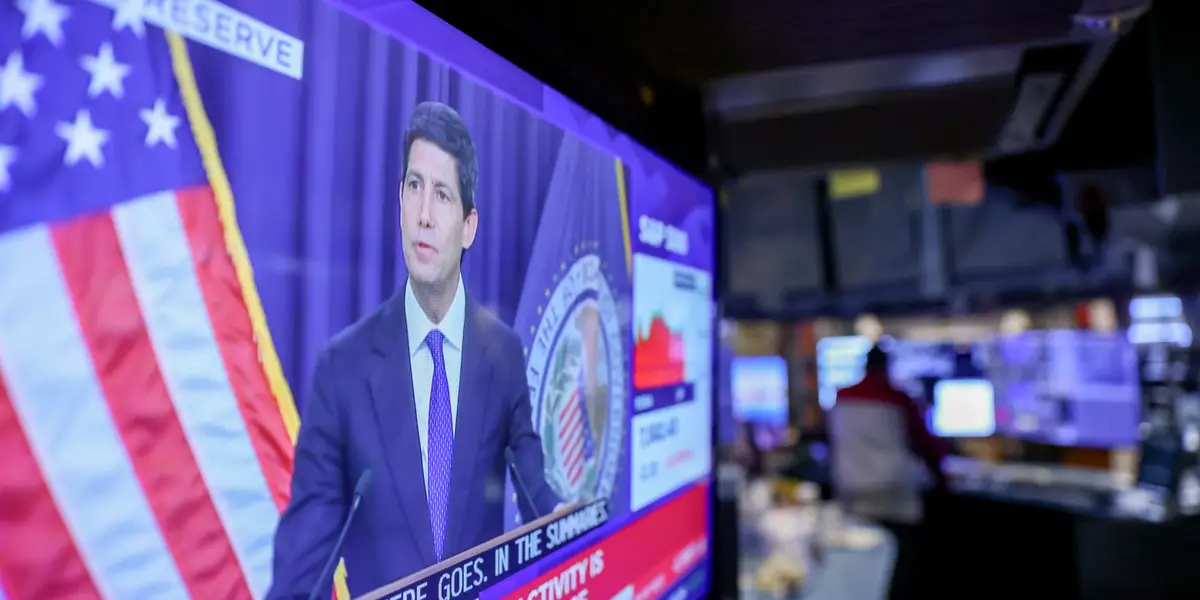
In conjunction with the AI earnings reports, the Federal Reserve is poised to make a critical decision regarding interest rates. The Fed's meeting, scheduled for next week, will be closely scrutinized by investors seeking clarity on the central bank's monetary policy direction. With inflationary pressures still a concern, analysts are divided on whether the Fed will maintain its current rate or opt for another increase.
Market participants are particularly interested in the Fed's language surrounding future rate hikes. A dovish tone could signal a pause in tightening measures, potentially providing a boost to equities, especially in growth sectors like technology. Conversely, a hawkish stance could lead to a market pullback, as higher interest rates typically dampen consumer spending and corporate investment.
Moreover, the Fed's decision will not only impact market sentiment but also influence the borrowing costs for companies, particularly those heavily invested in AI technologies. If interest rates rise, it could increase the cost of capital for these firms, potentially leading to more cautious spending on innovation and expansion. This dynamic will be a critical factor for investors as they assess the sustainability of the recent stock market rally.
The Midterm Elections: Political Uncertainty and Market Reactions
As the earnings reports and the Fed's decision loom, the midterm elections are adding another layer of complexity to the market landscape. Political uncertainty often leads to volatility in financial markets, and the upcoming elections are no exception. Investors are closely monitoring the potential outcomes and their implications for fiscal policy, regulatory changes, and economic growth.
Historically, midterm elections have resulted in shifts in power that can influence market dynamics. A change in control of Congress could lead to significant alterations in tax policy, government spending, and regulation, all of which have direct implications for corporate earnings. Investors are particularly focused on sectors that may be impacted by potential changes in policy, such as healthcare, energy, and technology.
The possibility of a divided Congress could lead to gridlock, which may have a stabilizing effect on markets, as investors might prefer a status quo over dramatic policy shifts. However, the uncertainty surrounding election outcomes could also lead to increased volatility in the short term, as traders react to polling data and election forecasts.
Investor Sentiment: Balancing Optimism and Caution
As we navigate this pivotal two-week stretch, investor sentiment is a crucial factor shaping market movements. The confluence of AI earnings, the Fed's interest rate decision, and the midterm elections creates a unique environment where optimism and caution are at odds. On one hand, the excitement surrounding AI technology and its transformative potential continues to drive stock prices higher. On the other hand, the specter of rising interest rates and political uncertainty looms large.
Institutional investors are likely adopting a cautious approach, balancing their portfolios to mitigate risks associated with potential interest rate hikes and political volatility. Strategies such as sector rotation—shifting investments from high-growth areas to more stable sectors—may become more prevalent as investors seek to navigate this uncertain landscape.
Retail investors, meanwhile, may be more susceptible to market sentiment swings, reacting to headlines and news cycles. As earnings reports roll in and the Fed's decision approaches, retail investor behavior will be closely watched, as their collective actions can significantly impact market momentum.
Conclusion: A Critical Inflection Point for Markets
The next two weeks will be crucial for the stock market, with earnings reports from key AI players, a pivotal Federal Reserve decision, and the backdrop of midterm elections all converging. Investors must remain vigilant, balancing their enthusiasm for technological advancements against the risks posed by economic and political uncertainties. As we approach this critical inflection point, the outcomes of these events will likely shape market trajectories for the remainder of the year and beyond.
In a landscape defined by rapid technological change and shifting economic policies, adaptability will be key for investors. Those who can navigate the complexities of this period may find opportunities amidst the challenges, while others may need to exercise caution as they assess the evolving market dynamics. With the stakes high and the outcomes uncertain, this two-week stretch represents not just a moment for reflection but a potential turning point for the financial markets.
Source: Open original source