


Introduction to Quantum Security in Cryptocurrency
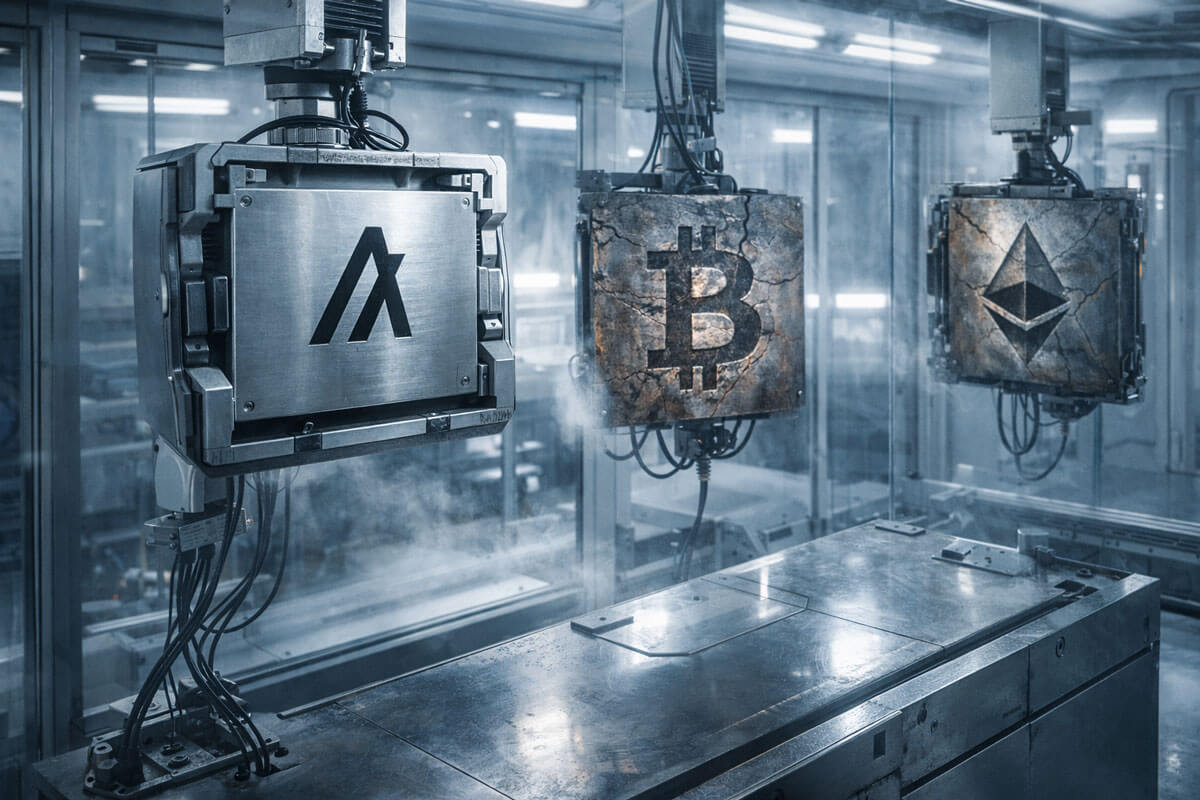
The cryptocurrency landscape is undergoing a seismic shift as the threat of quantum computing looms large. With the potential to undermine traditional cryptographic systems, the advent of quantum technology has sparked a vigorous debate over the security of leading digital assets. Recently, a paper from Google’s Quantum AI team has brought renewed focus to this issue, specifically flagging vulnerabilities in Bitcoin and Ethereum while simultaneously highlighting Algorand as a notable example of a blockchain implementing post-quantum cryptography.
Algorand's Rise Amid Quantum Concerns
In the wake of Google’s analysis, Algorand has seen a remarkable surge in its market value, jumping 50% in a matter of days. This increase is not merely speculative; it signals a growing recognition among investors and industry stakeholders of the importance of quantum resistance in blockchain technology. As major cryptocurrencies grapple with the implications of quantum threats, Algorand's proactive measures to adopt quantum-safe cryptographic techniques are positioning it as a frontrunner in the race for secure digital finance.
The Implications of Google's Quantum AI Paper
The paper published by Google serves as a wake-up call to the cryptocurrency community. It outlines how quantum computers, once fully realized, could potentially break the cryptographic foundations that secure Bitcoin and Ethereum. These two giants rely on algorithms that could be susceptible to quantum attacks, posing a significant risk to their integrity and user trust. By contrast, Algorand has integrated advanced cryptographic protocols designed to withstand such challenges, making it a viable alternative for users concerned about the future of their digital assets.
Understanding Algorand's Quantum-Safe Features
Algorand’s architecture includes mechanisms that leverage post-quantum cryptography, which is specifically designed to protect against the threats posed by quantum computing. The network employs a unique consensus algorithm called Pure Proof of Stake (PPoS), which enhances its security and scalability. By incorporating cryptographic primitives that remain secure even in a quantum computing environment, Algorand is not just reacting to current threats but is also future-proofing its platform against the inevitable advancements in quantum technology.
Market Reaction and Investor Sentiment
The immediate market response to Algorand’s endorsement as a quantum-resilient blockchain has been overwhelmingly positive. Investors are increasingly looking for assets that not only promise growth but also offer security in an evolving technological landscape. The 50% surge in Algorand's price reflects a broader trend where investors are prioritizing security and technological innovation over traditional metrics of value. This shift in sentiment indicates a maturation of the cryptocurrency market, where long-term viability is becoming a key consideration for investors.
Comparative Analysis: Algorand vs. Bitcoin and Ethereum
Bitcoin and Ethereum have long dominated the cryptocurrency market, but their vulnerability to quantum computing has raised questions about their long-term sustainability. Bitcoin, with its reliance on the SHA-256 algorithm, and Ethereum, which uses the Ethash proof-of-work mechanism, are both at risk of being compromised by quantum advancements. In contrast, Algorand’s focus on post-quantum cryptography positions it as a more secure option for users concerned about the future of their investments. This comparative analysis is crucial for investors as they navigate the complexities of the digital asset space.
Long-Term Implications for the Cryptocurrency Ecosystem
The implications of quantum computing extend beyond individual cryptocurrencies; they could reshape the entire cryptocurrency ecosystem. As more entities recognize the potential risks posed by quantum technology, the demand for quantum-resistant solutions will likely grow. This could lead to increased investment in research and development of secure blockchain technologies, pushing the industry toward innovation and resilience. Algorand’s recent rise may signify the beginning of a broader trend where security takes precedence in the cryptocurrency conversation.
The Role of Regulatory Bodies in Quantum Security
As the threat of quantum computing becomes more pronounced, regulatory bodies are likely to take a closer look at the security measures employed by cryptocurrencies. The recent interest in Algorand could prompt regulators to advocate for standards that require blockchain networks to adopt quantum-safe practices. Such regulations could foster a more secure environment for digital assets and promote greater consumer confidence in the cryptocurrency market.
Future Prospects for Algorand and the Crypto Market
Looking ahead, Algorand's focus on security and technological advancement may enable it to capture a larger share of the cryptocurrency market. As the conversation around quantum threats continues, Algorand’s strategic positioning could attract institutional investors seeking safe havens for their capital. The potential for partnerships and collaborations with tech companies engaged in quantum research further enhances Algorand's prospects, providing pathways for innovation that could solidify its place in the market.
Conclusion: Navigating the Quantum Future
The intersection of quantum computing and cryptocurrency presents both challenges and opportunities. Algorand’s recent price surge is a clear indicator of the market's recognition of the importance of security in an evolving technological landscape. As investors, developers, and regulators navigate this new frontier, the emphasis on quantum-resistant solutions will likely shape the future of the cryptocurrency ecosystem. While Bitcoin and Ethereum remain titans of the industry, Algorand’s innovative approach to security may well position it as a leader in the next chapter of digital finance.