
The Resurgence of Germ Theory Denial in the Digital Age
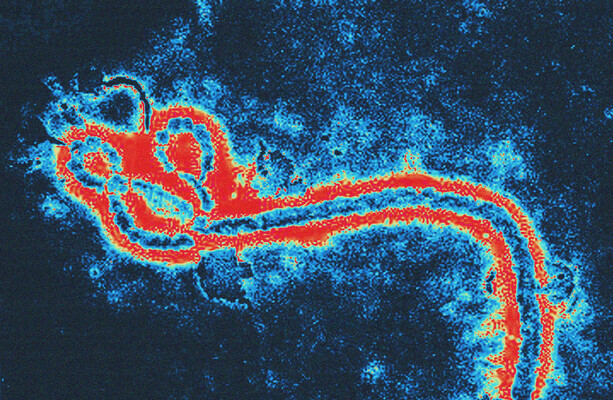
In the wake of recent global health crises, a controversial theory has resurfaced, gaining traction among certain online communities. The notion that viruses do not exist, which contradicts decades of established scientific understanding, is being championed by various fringe groups. This resurgence raises significant questions about public health, misinformation, and the implications for financial markets related to healthcare and pharmaceuticals.
Historical Context: Germ Theory and Its Acceptance
The germ theory of disease, first widely accepted in the late 19th century, posits that microorganisms are the cause of many diseases. This foundational principle has underpinned advances in medicine and public health for over a century. However, the recent pandemic has galvanized a segment of the population that questions the validity of this theory. Advocates of germ theory denial argue that viruses are not the causative agents of diseases, promoting alternative explanations that often lack empirical support.
The Role of Public Figures in Promoting Misinformation
Notably, some public figures, including high-ranking officials in the U.S. government, have been associated with promoting skepticism towards established scientific consensus on viruses. Such endorsements can amplify misinformation, particularly in an era where social media platforms facilitate rapid dissemination of ideas. This phenomenon is particularly concerning given the potential for public health ramifications and the erosion of trust in scientific institutions.
Financial Implications for the Healthcare Sector
The spread of germ theory denial has profound implications for the healthcare sector, particularly for companies involved in vaccine development and antiviral therapies. Investors are increasingly wary of the potential for shifts in public sentiment to affect the profitability of these firms. As misinformation spreads, there is a tangible risk that vaccination rates may decline, leading to outbreaks of preventable diseases. Such a scenario could adversely impact healthcare stocks and overall market stability.
Market Reactions to Public Health Messaging
Financial markets are sensitive to public health messaging and perceptions of risk. Companies like Moderna and Pfizer, which have been at the forefront of COVID-19 vaccine development, might experience volatility as narratives around virus existence and vaccine efficacy evolve. A decline in public confidence could lead to decreased sales and market cap erosion for these firms. Investors must navigate this landscape with caution, as the interplay between public sentiment, regulatory responses, and market performance becomes increasingly complex.
The Impact of Social Media on Public Perception
Social media platforms have become battlegrounds for competing narratives about health and disease. Algorithms that prioritize engagement over accuracy can amplify fringe theories, allowing them to gain a foothold in public discourse. This phenomenon poses challenges not only for public health officials but also for investors and corporations whose business models rely on a scientifically literate consumer base. The financial implications of misinformation can be far-reaching, affecting everything from stock prices to brand reputation.
Counteracting Misinformation: The Role of Education
In light of the resurgence of germ theory denial, there is an urgent need for educational initiatives aimed at combating misinformation. Public health campaigns must emphasize the importance of scientific literacy and critical thinking. By fostering a better understanding of germ theory and the mechanisms of viral infections, stakeholders can work to restore public confidence in established medical practices. This is especially crucial for companies in the healthcare sector, as they navigate an increasingly polarized environment.
The Future of Public Health and Investment Strategies
As the debate over the existence of viruses continues, investors and healthcare professionals must remain vigilant. The financial landscape is likely to evolve alongside public perceptions of health and disease. Companies that invest in robust communication strategies and educational outreach may be better positioned to weather the storm of misinformation. Furthermore, those who adapt their investment strategies to account for shifts in public sentiment may find opportunities in emerging sectors focused on health innovation and education.
Long-term Consequences for Public Trust in Science
The long-term consequences of germ theory denial extend beyond immediate financial impacts. Erosion of public trust in science can hinder collective efforts to address future health crises. If individuals increasingly disregard scientific consensus, the ability to respond effectively to pandemics or other health emergencies may be compromised. This scenario underscores the importance of rebuilding trust through transparent communication and community engagement.
Conclusion: Navigating a Complex Landscape
The resurgence of germ theory denial amid recent outbreaks presents a complex challenge for public health, finance, and society at large. As misinformation proliferates online, the implications for healthcare businesses and investors cannot be overlooked. Stakeholders must prioritize education, transparency, and engagement to counteract the tide of skepticism. In doing so, they can help to ensure that public health remains grounded in scientific reality, paving the way for a more informed and healthier future.