


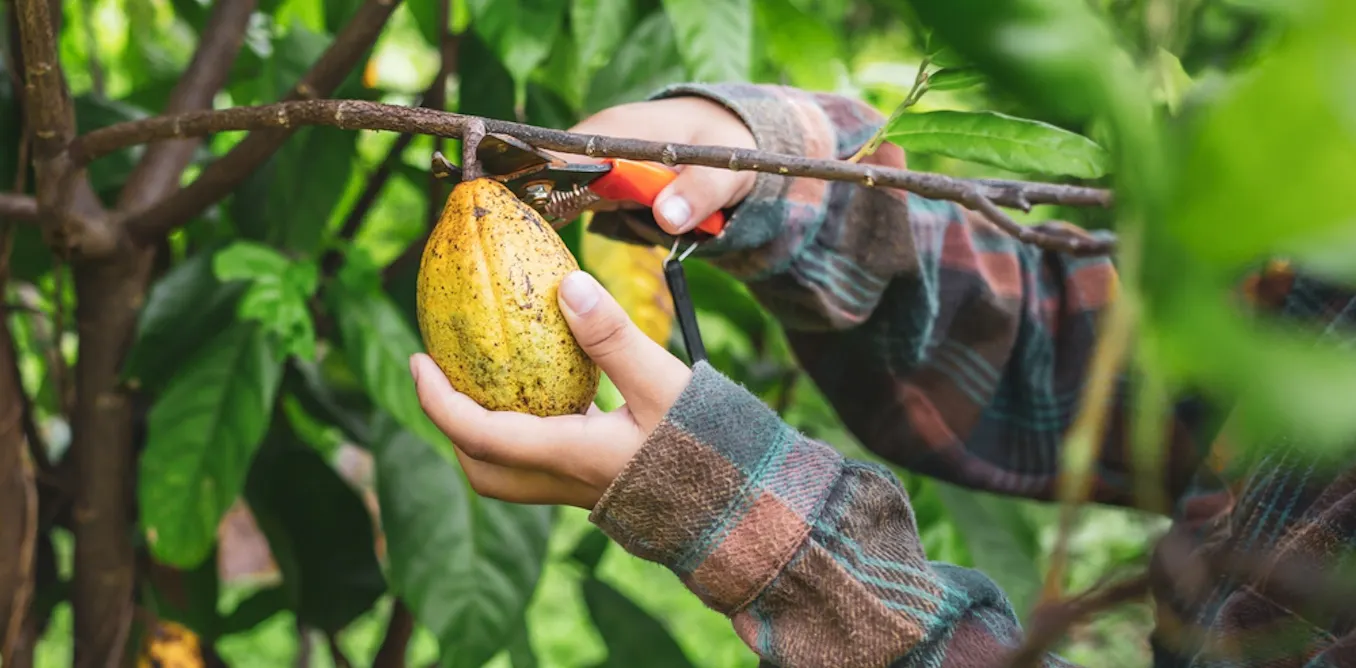
The Cocoa Industry's Dilemma: Short-Term Gains vs. Long-Term Sustainability
The cocoa industry is facing a critical challenge as farmers in Nigeria are increasingly opting to cut down cocoa trees in favor of short-term financial benefits. This trend raises significant concerns about the long-term sustainability of cocoa farming and the environmental implications of such decisions. With global demand for chocolate continuing to rise, the actions of these farmers could have far-reaching consequences not only for the industry but also for the surrounding ecosystems.
The Immediate Allure of Short-Term Profitability
In the quest for immediate financial relief, many cocoa farmers are prioritizing short-term gains over sustainable practices. By clearing land for alternative crops or even for cash-generating activities, these farmers can quickly realize profits. The appeal is particularly strong in regions where the price of cocoa has been volatile, making it difficult for farmers to rely solely on cocoa production for their livelihoods. This shift is exacerbated by the rising costs of inputs such as fertilizers and pesticides, which further strain their financial situations.
Environmental and Economic Ramifications
Cutting down cocoa trees not only threatens the farmers' future income but also has broader environmental ramifications. Cocoa trees play a crucial role in maintaining biodiversity and supporting local ecosystems. When farmers clear these trees, they disrupt habitats and contribute to soil degradation, leading to long-term agricultural challenges. As soil quality diminishes, farmers may find themselves trapped in a cycle of needing to clear more land to maintain production levels, thus exacerbating the environmental crisis.
The Case for Agroforestry: A Sustainable Alternative
Research indicates that integrating agroforestry practices can significantly benefit cocoa farmers. By maintaining trees alongside cocoa plants, farmers can enhance soil quality, increase biodiversity, and create a more resilient farming system. Agroforestry not only improves the health of the ecosystem but also provides additional income streams through the sale of timber, fruits, and other non-cocoa products. This diversified approach can help farmers avoid the pitfalls of relying solely on cocoa production.
Financial Incentives for Sustainable Practices
To encourage cocoa farmers to adopt sustainable practices, financial incentives are essential. Programs that offer premium prices for sustainably sourced cocoa can motivate farmers to keep their trees and invest in agroforestry systems. Additionally, access to training and resources on sustainable farming techniques can empower farmers to transition away from practices that prioritize short-term profits at the expense of long-term viability.
The Role of Governments and Organizations
Governments and non-governmental organizations (NGOs) play a pivotal role in promoting sustainable cocoa farming practices. By implementing policies that support agroforestry and providing resources for education and training, they can help create an environment where farmers feel equipped to make long-term decisions. Furthermore, international partnerships can facilitate the sharing of best practices and technologies that enhance productivity while preserving natural resources.
The Global Impact of Local Decisions
The choices made by cocoa farmers in Nigeria have implications that extend far beyond local borders. As the world becomes increasingly interconnected, the sustainability of cocoa farming will impact global supply chains and consumer markets. Companies that rely on cocoa as a primary ingredient are under growing pressure to source sustainably, as consumers become more aware of the environmental and social dimensions of their purchases. This shift in consumer behavior underscores the importance of supporting farmers who prioritize long-term sustainability.
Consumer Awareness and Ethical Sourcing
Consumer awareness around ethical sourcing is on the rise, with many individuals willing to pay a premium for products that align with their values. As a result, cocoa farmers who adopt sustainable practices may find themselves with a competitive advantage in the marketplace. Companies that transparently communicate their commitment to sustainability can build stronger relationships with consumers, fostering loyalty and encouraging repeat business.
Conclusion: A Call for Sustainable Investment
The cocoa industry stands at a crossroads, with farmers in Nigeria facing the temptation of short-term gains at the expense of long-term sustainability. The decision to maintain cocoa trees and adopt agroforestry practices is not merely an environmental issue; it is a crucial economic strategy that can secure farmers' livelihoods for years to come. Investing in sustainable practices is a win-win for farmers, consumers, and the environment. As stakeholders across the industry collaborate to promote sustainable cocoa farming, they will contribute to a more resilient and equitable future for all involved.