


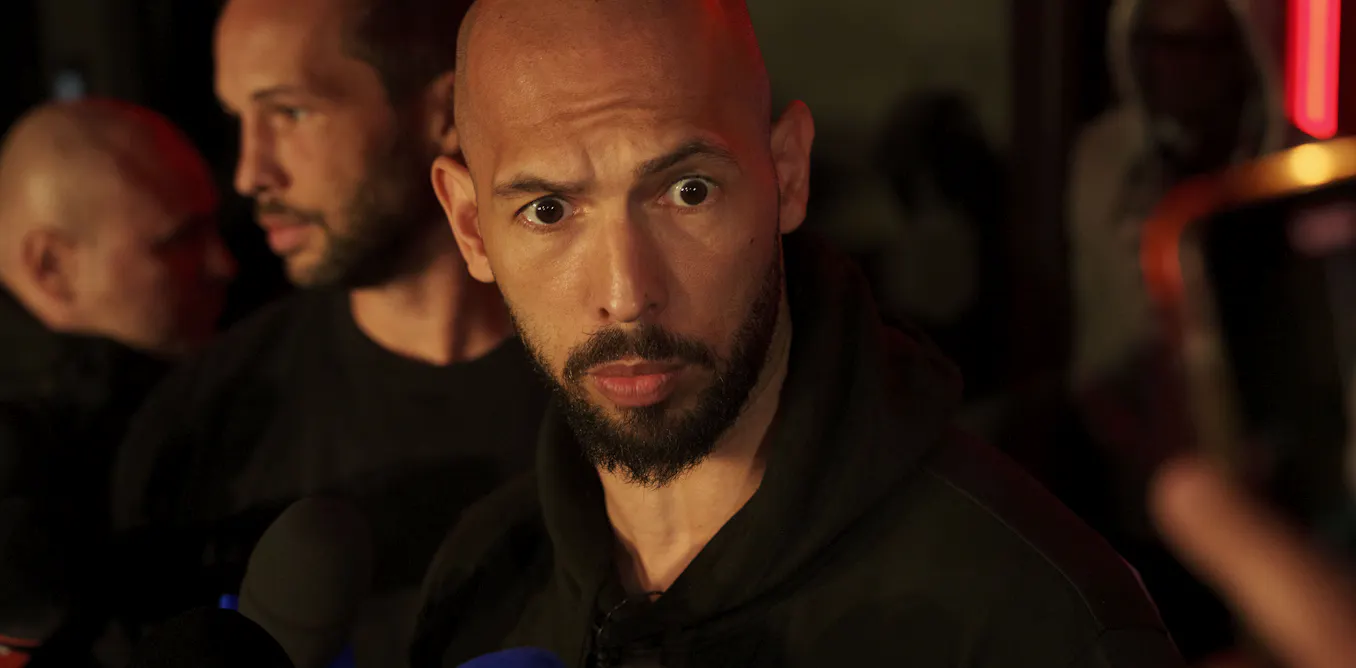
The Rise of Masculinism: A Shift in Public Discourse
Over the past decade, masculinism has transitioned from a niche ideology to a prominent topic of public debate, largely fueled by the power of social media. The term, which encompasses a range of perspectives advocating for men's interests and rights, has garnered attention and support through various platforms, reshaping discussions around gender dynamics, societal expectations, and individual identity.
Social Media: The Catalyst for Change
Social media has played a pivotal role in amplifying voices associated with masculinism. Platforms like Twitter, Facebook, and Reddit have allowed individuals and groups to share their narratives, create communities, and mobilize supporters. The viral nature of these platforms enables ideas to spread rapidly, often bypassing traditional media filters. As a result, discussions that were once confined to personal conversations or obscure forums have entered mainstream dialogue.
Understanding the Ideology of Masculinism
Masculinism is not a monolithic movement; it encompasses a variety of beliefs and perspectives. Some proponents advocate for men's rights in legal contexts, such as family law and child custody, while others focus on issues like mental health, societal expectations, and male identity. This diversity can lead to misunderstandings and mischaracterizations, contributing to polarized opinions. Nevertheless, the increasing visibility of these discussions reflects a growing recognition of men's issues in a society that has traditionally prioritized women's rights.
Economic Implications of the Masculinist Movement
The rise of masculinism has economic ramifications that extend beyond individual beliefs. As the movement gains traction, businesses are beginning to recognize the importance of addressing men's issues in their marketing and product offerings. Companies that cater to men's interests—ranging from health and wellness to fashion—are seeing opportunities for growth in a marketplace that is slowly shifting toward inclusivity. This evolution highlights a potential economic impact, as brands that engage with masculinist perspectives may attract a loyal customer base.
The Intersection of Masculinism and Corporate Responsibility
As masculinism enters mainstream discourse, corporations are faced with a challenge: how to engage with the movement without alienating other demographics. The balancing act of corporate responsibility requires a nuanced understanding of the issues at hand. Some companies have adopted policies to support men's mental health initiatives or fatherhood programs, aligning their brand with the evolving conversation around masculinity. This approach not only addresses a social need but also positions the brand as a progressive entity willing to engage with complex societal issues.
Criticism and Counter Movements
While masculinism has gained traction, it has also faced significant criticism. Opponents argue that the movement can perpetuate harmful stereotypes and distract from genuine gender equality efforts. They contend that some factions within masculinism may inadvertently reinforce toxic masculinity, rather than addressing the underlying issues facing men today. In response, various counter-movements, including feminism and gender equality advocates, have emerged to challenge and critique the narratives presented by masculinists.
The Role of Influencers and Thought Leaders
Influencers and thought leaders have become crucial in shaping the narratives around masculinism. Figures who advocate for men's rights or express masculinist views often have large followings, enabling them to influence public opinion and drive conversations. Their platforms allow for the dissemination of ideas that resonate with many men, particularly those who feel marginalized or misunderstood in contemporary society. However, the influence of these figures also raises concerns about the potential for echo chambers, where only certain viewpoints are amplified.
Masculinism in the Context of Globalization
The globalization of ideas has also played a role in the rise of masculinism. As individuals from different cultural backgrounds engage with the concept, masculinism takes on various forms, influenced by regional values and societal norms. This globalization can lead to a richer dialogue, as diverse perspectives contribute to a more comprehensive understanding of masculinity and its implications. However, it also presents challenges, as differing cultural attitudes toward gender can clash, complicating efforts to find common ground.
Future Outlook: Navigating a Complex Landscape
Looking ahead, the future of masculinism in public discourse will likely be shaped by ongoing debates about gender, identity, and societal roles. As more men engage with these discussions, the movement may evolve further, potentially leading to new alliances and collaborations with other social movements. The challenge will be to foster a constructive dialogue that addresses the complexities of masculinity without devolving into divisive rhetoric.
Conclusion: A New Chapter in Gender Discourse
In conclusion, the rise of masculinism, driven by social media, marks a significant shift in the landscape of gender discourse. As the movement continues to evolve, its impact on businesses, societal norms, and public policy will be closely watched. Stakeholders across various sectors must navigate this complex terrain with sensitivity and awareness, recognizing that the conversation surrounding masculinity is multifaceted and deeply intertwined with broader discussions about gender equality and social justice.