


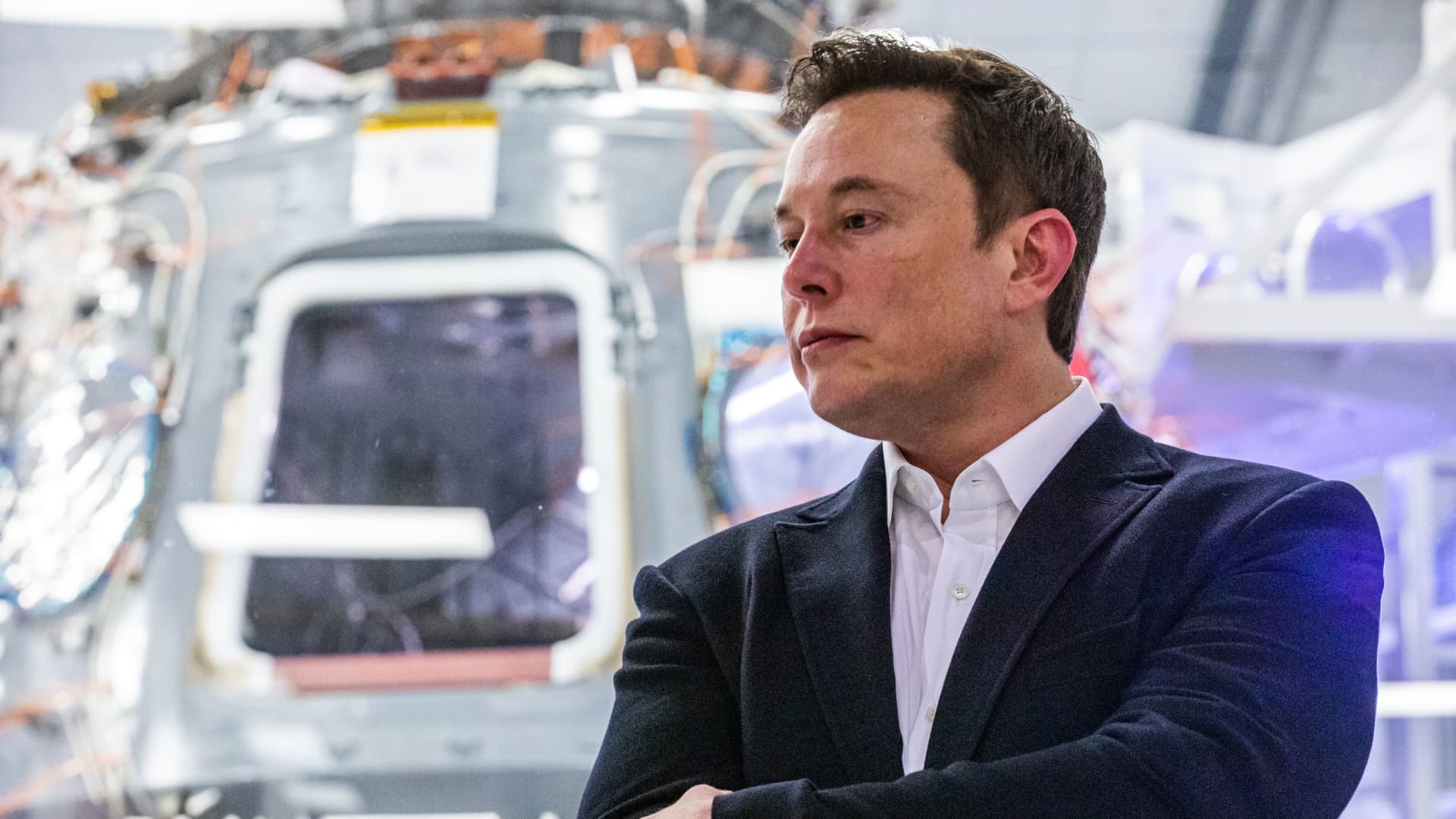
Elon Musk's Position on AI Safety Amid Industry Turbulence
In a week marked by surprising alliances and conflicting viewpoints, Elon Musk has once again positioned himself at the forefront of the artificial intelligence (AI) conversation. Known for his outspoken views on AI safety, Musk's recent engagements with the leaders of Anthropic and OpenAI suggest a potential shift towards a more collaborative approach in addressing the risks associated with advanced AI technologies. However, this newfound camaraderie is juxtaposed with Musk's ongoing battle against regulatory frameworks that seek to impose stricter controls on AI development.
Unexpected Alliances: Musk, Anthropic, and OpenAI
During a series of discussions this past week, Musk found common ground with Dario Amodei, CEO of Anthropic, and Sam Altman, CEO of OpenAI. The trio has emphasized the importance of developing AI systems that prioritize safety and ethical considerations. This alliance reflects a growing recognition within the tech community that proactive measures are necessary to mitigate potential risks posed by AI technologies. Musk's willingness to engage with these prominent figures signals a strategic pivot towards collaboration, especially as the industry faces increasing scrutiny from regulators and the public alike.
Contradicting Voices: Trump and Huang Weigh In
While Musk has been vocal about the need for AI safety, his perspective has not gone unchallenged. Former President Donald Trump recently criticized tech leaders for what he perceives as excessive caution regarding AI regulation. Trump’s comments underscore a broader debate within the political landscape, where concerns about innovation and economic growth often clash with calls for more stringent oversight. Similarly, Jensen Huang, CEO of Nvidia, has expressed skepticism about the feasibility of implementing comprehensive regulations without stifling innovation. This divergence of opinions highlights the complexities surrounding AI governance and the challenges policymakers face in balancing safety with progress.
The Regulatory Landscape: A Double-Edged Sword
Musk's resistance to regulatory measures stems from a belief that overregulation could hinder technological advancement and deter investment in AI research. He argues that a more flexible approach, guided by self-regulation within the industry, may yield better outcomes in fostering innovation while addressing safety concerns. This perspective resonates with many tech leaders who fear that heavy-handed regulations could stifle creativity and slow down the pace of breakthroughs in AI.
Challenges of Establishing a Unified Framework
Despite Musk's advocacy for self-regulation, the lack of a cohesive framework for AI governance remains a significant obstacle. With various stakeholders—ranging from tech companies to governmental bodies—holding differing views on the best path forward, achieving consensus on AI safety standards is increasingly challenging. The recent discussions among Musk, Amodei, and Altman may serve as a stepping stone towards establishing a more unified approach, but significant hurdles remain. The complexities of AI technologies, coupled with the rapid pace of advancements, make it difficult to create regulations that are both effective and adaptable.
Market Reactions to AI Developments
The fluctuations in AI-related stocks over the past week reflect the market's sensitivity to developments in the regulatory landscape. Companies like Nvidia, which are heavily invested in AI technology, saw their stock prices react to the contrasting narratives surrounding regulation. Investors are keenly aware that the direction of AI governance could have profound implications for profitability and innovation. As Musk and other tech leaders continue to navigate this turbulent environment, market participants will be closely watching for signals that could indicate how regulatory frameworks may evolve.
The Broader Implications for the Tech Industry
Musk's efforts to foster dialogue on AI safety may have far-reaching implications for the tech industry as a whole. By aligning with other influential figures in the AI space, he is helping to shape a narrative that emphasizes the need for responsible development practices. However, the inherent tension between innovation and regulation will persist, as stakeholders grapple with the potential consequences of unchecked AI advancement. As the industry continues to evolve, the outcomes of these discussions will likely influence the trajectory of AI technologies and their integration into various sectors.
Looking Ahead: The Future of AI Governance
As the dialogue around AI safety and regulation unfolds, the future of governance in this space remains uncertain. Musk's recent alliances may pave the way for more collaborative efforts to establish safety standards, but the path forward will require navigating a complex landscape filled with competing interests. The coming months will be crucial in determining whether the tech community can come together to create a framework that balances innovation with safety. The stakes are high, as the decisions made today will shape the future of AI and its impact on society.
Conclusion: A Pivotal Moment for AI Leadership
The past week has underscored the dynamic nature of the AI landscape, characterized by shifting alliances and divergent viewpoints. Elon Musk's engagement with leaders from Anthropic and OpenAI reflects a potential turning point in the industry, as calls for safety and ethical considerations gain traction. However, the challenges posed by regulatory pressures and conflicting opinions from influential figures like Trump and Huang complicate the discourse. As the industry navigates this pivotal moment, the outcomes of these discussions will be instrumental in shaping the future of AI governance and its implications for society at large.