


The Unlikely Journey of a Young Scholar
In a world where academic success often seems dictated by privilege and access, the story of a teenager defying the odds offers a refreshing perspective. Ankita, a young girl from a modest background, faced an unimaginable challenge: a diagnosis of acute lymphoblastic leukaemia. With a mere 1% chance of survival, her journey through illness and education highlights the intersection of resilience, family support, and the role of the healthcare system in facilitating educational pursuits even under dire circumstances.
Health Crisis: The Battle Against Leukaemia
Ankita's diagnosis came shortly after she had begun preparing for her Class 12 board exams, a pivotal moment in her academic career. Acute lymphoblastic leukaemia is a fast-growing cancer of the blood and bone marrow, which can be particularly aggressive in young patients. As Ankita underwent intensive treatments, including chemotherapy, her body faced significant challenges. The treatment not only affected her physical health but also posed psychological hurdles, as she battled the fear of mortality while striving to maintain her academic aspirations.
The Role of Family Support
Throughout her ordeal, Ankita’s family emerged as a cornerstone of her support system. Her parents, recognizing the importance of education in shaping a better future, made concerted efforts to ensure that she continued her studies despite her deteriorating health. They worked tirelessly to balance hospital visits with academic needs, often bringing study materials to her bedside. This unwavering support underscored the critical role that family plays in a student’s educational journey, particularly in the face of adversity.
Innovative Solutions: Exams from the Ambulance
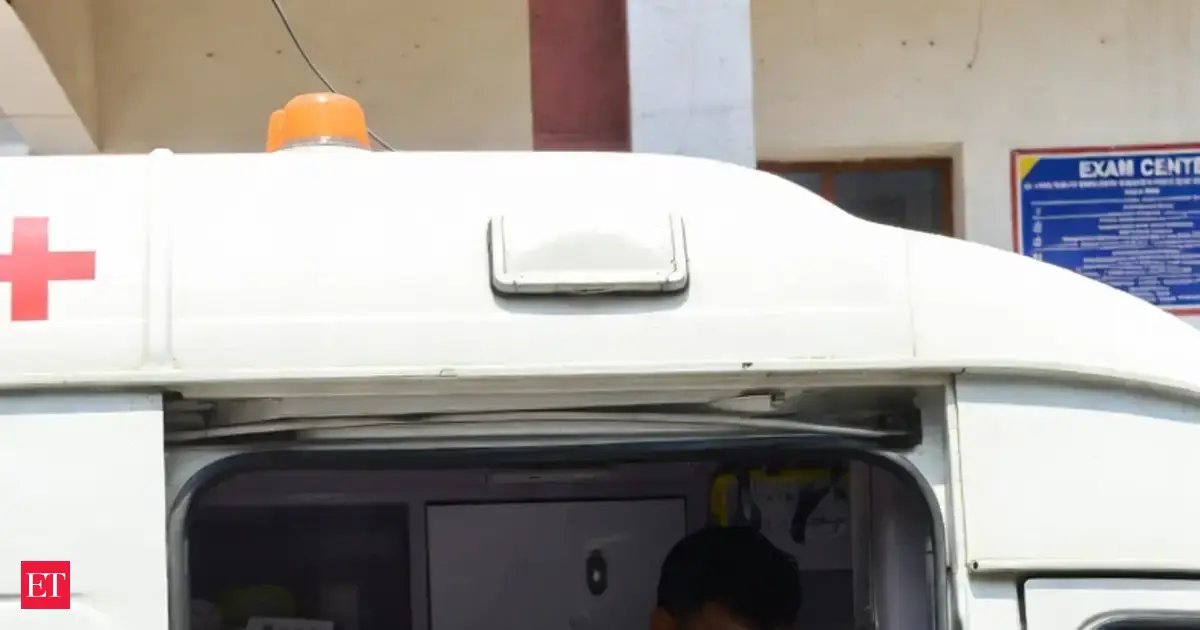
As the time for board exams approached, Ankita's family and school administrators devised innovative solutions to accommodate her unique circumstances. With her health fluctuating, the logistics of attending school became impractical. Instead, arrangements were made for Ankita to take her practical exams from an ambulance parked outside the hospital. This unconventional approach not only ensured she could participate in the exams but also highlighted the adaptability of educational institutions in accommodating students with special needs.
Remote Learning: Theory Exams from Home
For her theory exams, Ankita was permitted to take them from home, a decision that reflected a growing trend in education toward remote learning solutions. This flexibility allowed her to focus on her studies in a familiar environment while managing her health. Such adaptations are increasingly relevant in today’s educational landscape, where technology can bridge gaps created by physical constraints. Ankita’s experience serves as a testament to the potential of remote learning in supporting students facing significant challenges.
Resilience in the Face of Adversity
Ankita's determination to succeed academically despite her health issues is a powerful narrative of resilience. Many students face pressures that can seem insurmountable, but Ankita's story illustrates that with the right support and mindset, it is possible to overcome significant obstacles. Her ability to compartmentalize her health struggles while focusing on her studies demonstrates a remarkable level of maturity and determination that is often seen in individuals who have faced life-altering challenges.
Academic Achievement: A Testament to Hard Work
Despite the challenges she faced, Ankita successfully completed her Class 12 board exams, achieving commendable results. Her academic success not only reflects her hard work and dedication but also serves as an inspiration to others who may find themselves in similarly daunting situations. In an era where mental health and well-being are increasingly recognized as vital components of academic success, Ankita's story serves as a reminder that perseverance can lead to extraordinary outcomes.
Implications for Education Policy
Ankita's experience raises important questions about how educational institutions can better support students facing health-related challenges. As schools and policymakers consider the implications of her story, there is an opportunity to rethink how educational frameworks can be more inclusive. This includes developing policies that allow for flexible learning environments, increased access to remote education tools, and greater support for students with health issues. The goal should be to create a system that recognizes and accommodates the diverse needs of all students.
The Future: Aspirations Beyond Adversity
With her board exams behind her, Ankita is now looking toward the future with aspirations that extend beyond academics. Her journey through illness has not only shaped her character but has also inspired her to advocate for others facing similar challenges. Many young people, like Ankita, are navigating their own battles while pursuing education, and her story serves as a beacon of hope. It highlights the importance of mental health awareness, support networks, and the need for systemic changes in education to foster resilience in the face of adversity.
Conclusion: A Story of Hope and Inspiration
Ankita's journey from the ICU to the exam hall is a compelling narrative that resonates on multiple levels. It underscores the importance of resilience, family support, and the adaptability of educational systems in the face of life's challenges. As society continues to evolve, stories like Ankita's remind us of the power of hope and determination. They urge us to reflect on how we can create a more supportive and inclusive environment for all students, ensuring that no one is left behind, regardless of the obstacles they may face.