


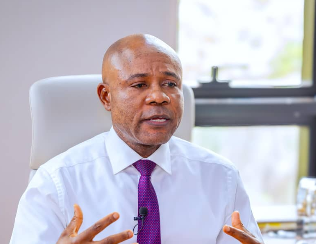
Enugu Governor Calls for Enhanced Accountability Among Public Officials
In a recent address, Dr. Peter Mbah, the Governor of Enugu State, emphasized the critical need for public officials to uphold accountability in their roles. Speaking to an assembly of state officers, he outlined the three pillars of his administration: transparency, accountability, and traceability. The Governor's remarks came amid growing concerns about corruption and inefficiency within public service, which he argues are detrimental to the state's development.
The Cost of Corruption on State Development
Governor Mbah's assertion that "every naira stolen robs the state of development" underscores the financial implications of corruption. His administration aims to foster a culture where public funds are managed with utmost integrity. By linking financial accountability directly to the state’s growth, he attempts to reframe the narrative surrounding public service, positioning ethical governance as a cornerstone of economic advancement.
Transparency as a Pillar of Governance
Transparency, as articulated by Governor Mbah, involves making government processes open and accessible to the public. This approach is designed to build trust between the government and its citizens, ensuring that public officials are held accountable for their actions. The Governor has proposed the implementation of robust reporting mechanisms that allow citizens to track government spending and project outcomes, thereby creating a more engaged electorate.
Accountability Mechanisms in Place
To bolster accountability, Dr. Mbah has called for the establishment of independent oversight bodies tasked with monitoring public expenditure and project implementation. These entities would be responsible for auditing government operations and ensuring that funds are utilized effectively and efficiently. The Governor emphasized that these measures are essential for restoring public confidence in the government and its institutions.
Traceability in Public Spending
The third pillar, traceability, focuses on the ability to follow the flow of public funds from allocation to expenditure. Governor Mbah advocates for the use of technology to enhance traceability, suggesting that digital platforms can provide real-time updates on government projects and finances. By employing such technology, the government can ensure that every naira spent is accounted for, thereby minimizing the risk of misappropriation.
Implications for Economic Growth
The Governor's emphasis on accountability is not merely a moral stance; it has significant economic implications. A transparent and accountable government can attract foreign investment, as investors seek stable environments where funds are managed responsibly. Enugu State, under Dr. Mbah's leadership, aims to position itself as a viable destination for investment by demonstrating a commitment to ethical governance.
Public Reaction and Support
Reactions from the public and stakeholders within the state have been largely supportive of Governor Mbah's call for accountability. Many citizens express a desire for a government that prioritizes ethical practices and is willing to take a stand against corruption. This shift in public sentiment may encourage more active participation in governance and civic duties, ultimately leading to a more engaged electorate.
Challenges to Implementation
Despite the positive reception, implementing these accountability measures will not be without challenges. Resistance from entrenched interests within the public sector may pose significant obstacles. Additionally, the need for training and capacity building among public officials to adapt to new systems of transparency and accountability cannot be overlooked. Governor Mbah's administration will need to navigate these challenges strategically to ensure that the proposed reforms are successfully enacted.
Future Outlook for Enugu State
As Enugu State moves forward under Dr. Mbah's leadership, the focus on accountability could serve as a model for other states grappling with similar issues. The Governor's approach signals a shift toward more responsible governance in Nigeria, where public trust has often been eroded by corruption scandals. If successful, these reforms could lead to improved public services and infrastructure, contributing to the overall economic development of the region.
Conclusion: A Call to Action for Public Officers
In closing, Governor Mbah's call for accountability among public officers is a pivotal step toward enhancing governance in Enugu State. By prioritizing transparency, accountability, and traceability, his administration aims to create a framework that not only reduces corruption but also fosters economic growth. Public officials are now challenged to embrace these principles, recognizing that their actions have far-reaching consequences for the state’s development and the welfare of its citizens.