


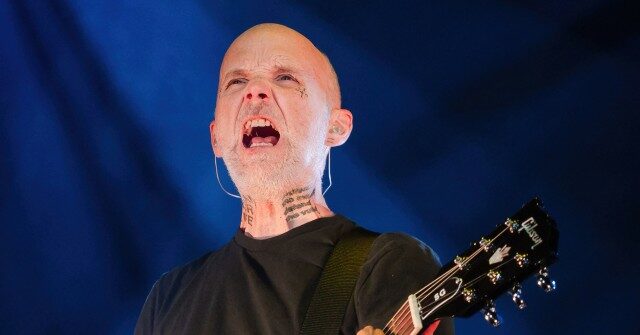
Introduction to Moby's Call for Boycotts
In an unexpected move, musician and activist Moby has taken to social media to call for a boycott of companies he labels as "scumbags" for their support of President Donald Trump and U.S. Immigration and Customs Enforcement (ICE). Moby's stance highlights the growing intersection of celebrity influence and consumer behavior, particularly in a politically charged environment. As the U.S. grapples with divisive political issues, the impact of such calls on businesses and the broader market is worth examining.
The Economic Implications of Celebrity Boycotts
Boycotts have long been a tool for consumers to express dissatisfaction with corporate practices or policies. Moby's recent demand adds a new layer to this dynamic, particularly as it pertains to companies perceived to be enabling governmental actions that some view as unjust. The economic implications of such boycotts can be significant, especially for brands that rely heavily on consumer goodwill. Historical examples, such as the boycott of Nestlé products in the 1970s due to its marketing of infant formula in developing countries, illustrate how consumer protests can lead to substantial financial repercussions.
Moby's Targeted Companies and Their Market Position
While Moby has not specified which companies he considers "scumbags," the implications are clear: brands that have publicly supported Trump or have business ties to ICE may face scrutiny. This includes corporations in industries such as technology, finance, and retail that have been vocal in their political alliances or have contributed to campaigns supporting the current administration. Such companies may find themselves navigating a complex landscape where consumer loyalty can shift rapidly based on political affiliations, potentially impacting their market positions and sales.
Consumer Behavior in the Age of Activism
The rise of social media has transformed how consumers engage with brands. Activism, particularly among younger consumers, has become a prominent factor influencing purchasing decisions. Surveys indicate that a significant portion of millennials and Generation Z prioritize ethical considerations when making purchases. Moby's call for a boycott taps into this trend, as consumers increasingly seek to align their spending with their values. The implications for companies that fail to adapt to this shift can be profound, as they risk alienating a growing base of socially conscious consumers.
The Role of Corporate Responsibility
As calls for boycotts gain traction, the concept of corporate social responsibility (CSR) becomes increasingly relevant. Companies are now more frequently held accountable for their political contributions and affiliations. In response, many businesses are adopting more transparent policies regarding their political donations and lobbying efforts. For example, some firms have chosen to distance themselves from controversial political figures or initiatives to maintain a positive public image and protect their bottom line. Moby's demands may further pressure companies to evaluate their political stances and consider the potential fallout from their associations.
Market Reactions and Future Prospects
The immediate market reaction to Moby's boycott call may vary depending on the companies targeted. Stocks of firms that have a history of political involvement may experience volatility as consumer sentiment shifts. This could prompt companies to reassess their public relations strategies and engage in damage control to mitigate any negative economic impacts. Analysts suggest that firms that proactively address consumer concerns may emerge stronger, as they demonstrate a commitment to social values that resonate with their customer base.
The Influence of Celebrity Activism on Market Trends
Moby's activism is not an isolated incident; it reflects a broader trend of celebrity influence on market behaviors. Public figures, particularly those with large followings, can significantly shape consumer perceptions and drive market trends. This phenomenon has been observed in various sectors, from fashion to technology. Moby's call for boycotts serves as a reminder to companies that they are not only competing for market share but also for the loyalty of socially aware consumers who are increasingly influenced by the voices of celebrities.
Challenges for Brands in a Divided Political Landscape
Companies operating in a politically charged environment face unique challenges. Navigating consumer sentiment while maintaining profitability requires a delicate balance. Businesses must consider the potential risks of alienating certain customer segments while attempting to appeal to others. Moby's boycott call exemplifies the challenges brands encounter in a landscape where political affiliations can determine consumer loyalty. As brands grapple with these complexities, many are opting for a more cautious approach, seeking to remain neutral in political debates while focusing on their core values and mission.
Conclusion: The Future of Boycotts in American Business
Moby's demand for a boycott of companies supporting Trump and ICE underscores the evolving relationship between consumers, corporations, and political activism. As the U.S. continues to navigate contentious political issues, the impact of such calls on businesses will likely grow. Companies that recognize and adapt to these shifts in consumer behavior may not only survive but thrive in an increasingly polarized market. The future of boycotts in American business will depend on how effectively brands can align their practices with the values of their consumers while managing the risks associated with political affiliations.