


The Rising Temperature Dilemma in A-Rated Homes
As summer temperatures soar, homeowners in A-rated properties are grappling with the discomfort of sweltering heat. A-rated homes, known for their energy efficiency and sustainable design, often come equipped with advanced insulation and ventilation systems. However, the extreme heat can still pose challenges, particularly for those who may not want to invest in expensive air conditioning systems. In this context, experts suggest a range of practical solutions that can help homeowners maintain comfort without breaking the bank.
Understanding the Limitations of A-Rated Homes
A-rated homes are designed to minimize energy consumption, making them a popular choice for environmentally conscious buyers. However, these homes can sometimes trap heat, especially during prolonged periods of high temperatures. The insulation that keeps homes warm in winter can also retain heat in the summer months, leading to uncomfortable living conditions. Recognizing this paradox is crucial for homeowners seeking effective remedies.
Cost-Effective Cooling Solutions
While the allure of air conditioning is strong, the associated costs can deter many homeowners. Fortunately, there are several affordable alternatives that can significantly improve indoor comfort. Experts recommend a combination of passive cooling techniques and low-cost interventions that can be implemented without extensive renovations.
Enhancing Natural Ventilation
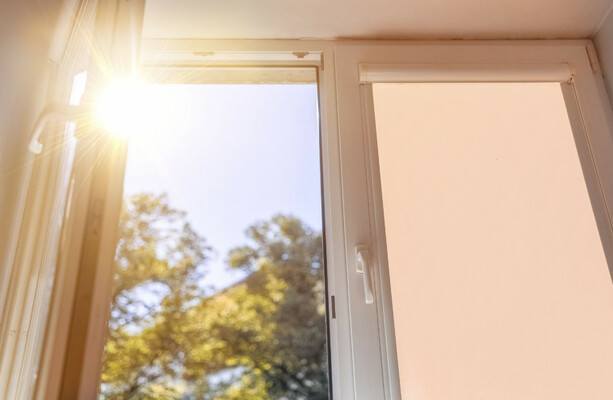
One of the simplest and most effective methods to cool an A-rated home is to enhance natural ventilation. Homeowners should consider strategically opening windows and doors during cooler parts of the day, such as early morning and late evening. Cross-ventilation can be particularly effective; by creating a flow of air through the house, it can help reduce indoor temperatures. Additionally, installing window screens can allow for airflow while keeping insects at bay.
Utilizing Shade and Reflective Surfaces
Another cost-effective solution is to maximize shade around the home. Homeowners can plant trees or install awnings to block direct sunlight from hitting windows. Reflective surfaces, such as light-colored window films or shades, can also help deflect heat. These measures not only keep homes cooler but can also enhance the aesthetic appeal of the property.
Investing in Energy-Efficient Fans
Ceiling fans and portable fans are often overlooked yet can be powerful allies in the fight against heat. These appliances consume significantly less energy than air conditioning units and can effectively circulate air, creating a wind-chill effect that cools occupants. Homeowners should consider investing in energy-efficient models, which provide the cooling benefits of traditional fans while consuming less electricity.
Implementing Smart Home Technology
For those looking to integrate technology into their cooling strategies, smart home devices can offer innovative solutions. Programmable thermostats and smart ventilation systems can optimize airflow and temperature settings based on occupancy patterns. By using these technologies, homeowners can create a more comfortable environment while managing energy costs effectively.
Maintaining Indoor Humidity Levels
Humidity can exacerbate feelings of heat, making it important for homeowners to manage indoor moisture levels. Dehumidifiers can be a worthwhile investment, particularly in areas prone to high humidity. By removing excess moisture from the air, these devices can make indoor environments feel cooler and more comfortable. Additionally, ensuring proper ventilation in bathrooms and kitchens can help prevent moisture buildup.
Seasonal Maintenance and Upgrades
Regular maintenance of existing systems can also play a significant role in enhancing comfort during the summer months. Homeowners should inspect insulation, seals, and ventilation systems to ensure they are functioning optimally. Minor upgrades, such as sealing gaps or adding insulation to attics, can improve overall efficiency and comfort levels.
Community and Social Considerations
Beyond individual efforts, community initiatives can also play a role in alleviating heat challenges. Neighborhood cooling centers and local government programs can provide resources for those in need, particularly vulnerable populations. Engaging in community-level discussions about heat management can foster a collective approach to improving comfort for all residents.
Long-Term Strategies for Sustainable Living
Looking ahead, homeowners should consider long-term strategies that align with sustainable living principles. Investing in green roofs, which can significantly reduce heat absorption, or exploring geothermal heating and cooling systems can provide lasting benefits. These options not only enhance comfort but also contribute to overall energy efficiency and environmental sustainability.
Conclusion: Navigating the Heat with Practical Solutions
As temperatures continue to rise, homeowners in A-rated properties face unique challenges in maintaining comfort. While air conditioning may seem like the most straightforward solution, there are numerous cost-effective alternatives available. By implementing strategies such as enhancing natural ventilation, utilizing shade, investing in energy-efficient fans, and managing humidity levels, homeowners can effectively navigate the heat. Additionally, considering long-term sustainable solutions can contribute to both comfort and environmental responsibility. Ultimately, the goal is to create a livable, enjoyable home environment without succumbing to the high costs associated with traditional cooling methods.