


Introduction to Pulicat Lake: A Natural Marvel
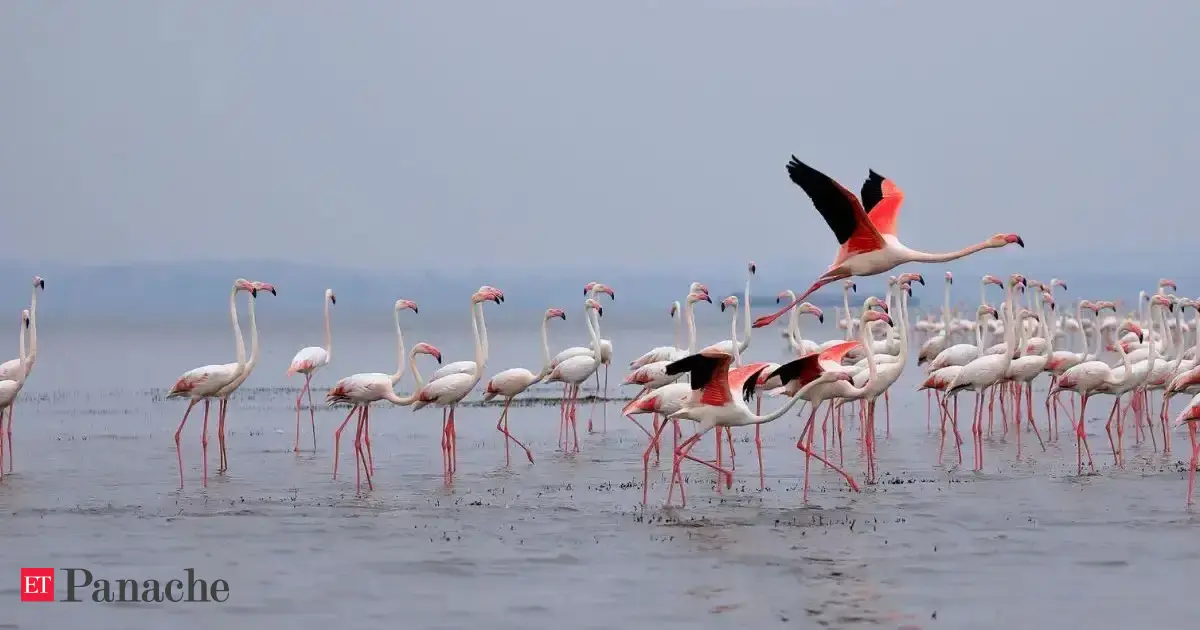
Located approximately 60 kilometers from the bustling city of Chennai, Pulicat Lake is known for its stunning natural beauty and ecological significance. As India's second-largest brackish water lagoon, it serves as a vital habitat for various species, including the majestic flamingos that flock here each year. This annual phenomenon transforms the lake into a breathtaking panorama of pink hues, captivating both tourists and nature enthusiasts alike.
The Annual Flamingo Influx: Timing and Significance
April marks a pivotal month for Pulicat Lake, as it welcomes thousands of flamingos migrating from their breeding grounds in the Rann of Kutch and other regions. This seasonal influx typically peaks in mid-April, providing a unique opportunity for bird watchers and photographers to witness these stunning birds in their natural habitat. The vibrant colors of the flamingos against the backdrop of the lake create a visual spectacle that draws attention from both domestic and international visitors.
Ecological Importance of Pulicat Lake
Pulicat Lake is not just a sight to behold; it plays a crucial role in the local ecosystem. The lagoon supports a diverse array of flora and fauna, providing a breeding ground for fish and serving as a stopover for migratory birds. The presence of flamingos, which primarily feed on algae and crustaceans, indicates a healthy aquatic ecosystem. The lake's brackish waters are rich in nutrients, making it an essential habitat for various species, thus contributing to biodiversity conservation efforts in the region.
Economic Impacts of Flamingo Tourism
The annual flamingo migration has significant economic implications for the local communities surrounding Pulicat Lake. As tourism increases during this period, local businesses, including hotels, restaurants, and tour operators, experience a surge in demand. The flamingo festival, which celebrates this natural event, further boosts local economies by attracting visitors and fostering community engagement. This influx of tourism not only supports livelihoods but also raises awareness about the importance of conservation efforts in the region.
Challenges Facing Pulicat Lake
Despite its ecological and economic significance, Pulicat Lake faces numerous challenges that threaten its delicate ecosystem. Pollution from nearby industrial activities, overfishing, and habitat degradation pose serious risks to the lake's health. Additionally, climate change has exacerbated these issues, leading to fluctuations in water levels and altering the natural habitat of the flamingos and other wildlife. Addressing these challenges is crucial for ensuring the sustainability of Pulicat Lake and preserving its status as a premier destination for birdwatching and ecotourism.
Conservation Initiatives and Community Involvement
Recognizing the importance of Pulicat Lake, various conservation initiatives have been launched to protect its unique ecosystem. Local NGOs and government agencies are working together to implement sustainable practices that promote environmental awareness and community involvement. These initiatives include habitat restoration projects, pollution control measures, and educational programs aimed at fostering a sense of stewardship among residents and visitors alike. Engaging the local community is essential for the long-term success of conservation efforts.
The Flamingo Festival: A Celebration of Nature
Each year, the flamingo festival serves as a platform to celebrate the beauty of Pulicat Lake and its avian visitors. The festival features a range of activities, including guided birdwatching tours, photography contests, and educational workshops focused on conservation. This event not only attracts tourists but also encourages local participation, fostering a deeper appreciation for the natural world. The festival highlights the importance of preserving the lake's ecosystem while promoting sustainable tourism practices.
Impact on Local Culture and Heritage
The arrival of flamingos at Pulicat Lake also has cultural implications for the local communities. The lake has historically been a site of cultural significance, with traditional fishing practices and local folklore tied to its waters. The flamingos have become emblematic of the region's natural heritage, inspiring art, literature, and community events. By embracing this natural wonder, residents are able to connect with their cultural roots while promoting a sustainable future.
Future Outlook: Balancing Tourism and Conservation
As the popularity of Pulicat Lake continues to grow, finding a balance between tourism and conservation will be essential. Stakeholders must work collaboratively to develop strategies that protect the lake's ecosystem while accommodating the increasing number of visitors. This includes implementing sustainable tourism practices, enhancing infrastructure, and promoting responsible wildlife observation. By prioritizing conservation efforts, Pulicat Lake can maintain its status as a vital ecological site and a beloved destination for nature enthusiasts.
Conclusion: The Lasting Legacy of Pulicat Lake
Pulicat Lake stands as a testament to the beauty of nature and the resilience of ecosystems. The annual migration of flamingos not only captivates the hearts of visitors but also serves as a reminder of the importance of preserving our natural heritage. As local communities, conservationists, and tourists come together to celebrate this unique phenomenon, they play a crucial role in safeguarding the future of Pulicat Lake. By fostering a deeper understanding of the lake's ecological significance, we can ensure that this natural marvel continues to thrive for generations to come.