


Strategic Moves in Solar Technology
In a significant development for renewable energy and space technology, Tesla and SpaceX are collaborating to secure a substantial supply of heterojunction solar panels. This move aligns with Elon Musk's ambitious plan to deploy an extensive network of solar-powered satellites, aiming to establish an Orbital Data Center system capable of delivering unprecedented data processing capabilities from space. The integration of high-efficiency solar panels is pivotal, as it will not only enhance the operational efficiency of these satellites but also support Musk's broader vision of sustainable energy solutions on Earth.
The Orbital Data Center Vision
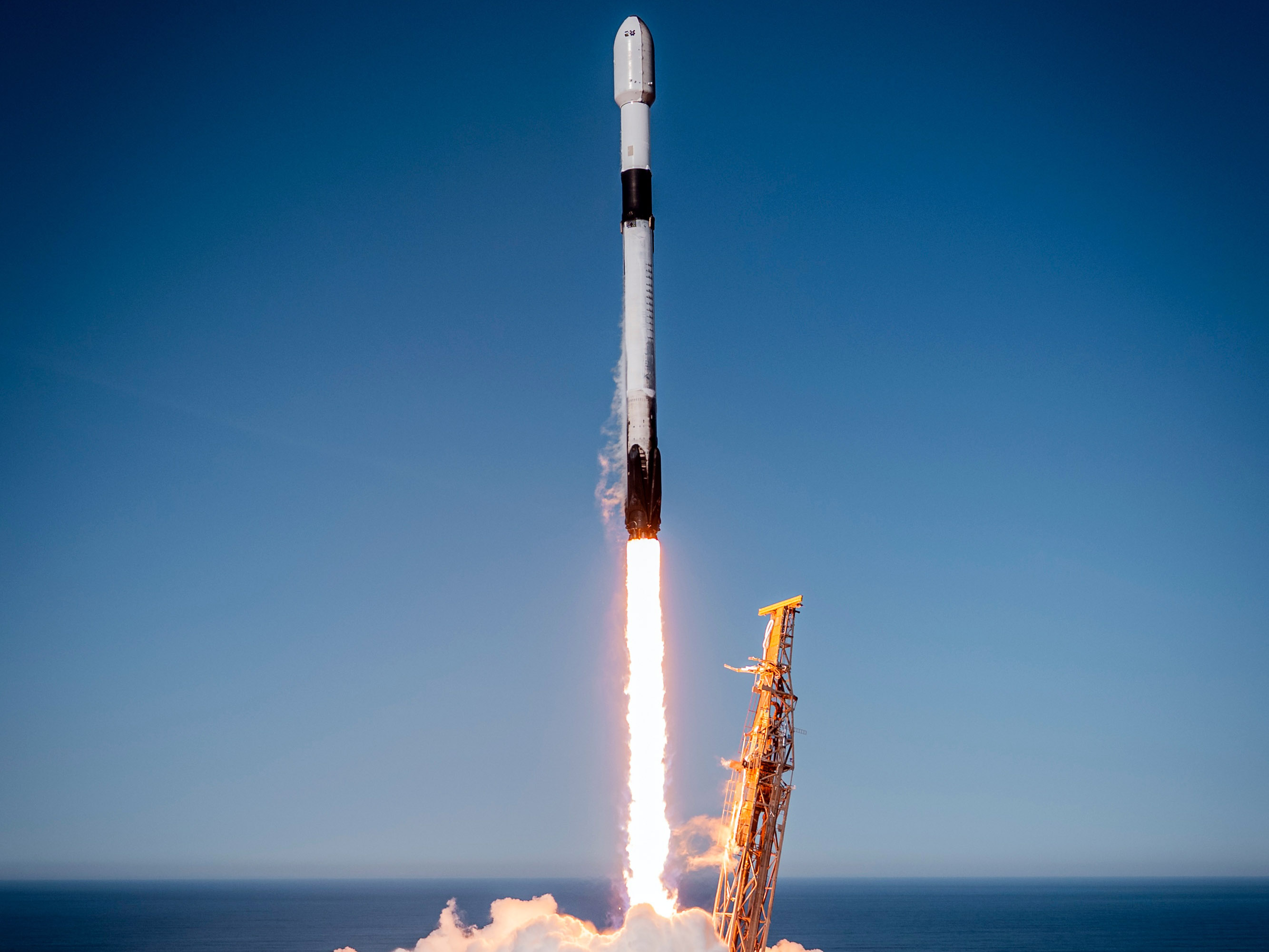
Musk's vision for an Orbital Data Center involves launching up to one million satellites equipped with advanced solar technology. This initiative aims to create a robust infrastructure for data transmission and storage, potentially revolutionizing how data is managed and accessed globally. By harnessing solar power, the satellites will operate with reduced dependence on terrestrial energy sources, aligning with Musk's long-standing advocacy for sustainable energy. The success of this project could redefine the future of data services, making them more efficient and environmentally friendly.
Implications for the U.S. Energy Landscape
The partnership between Tesla and SpaceX comes at a time when the U.S. is actively pursuing cleaner energy alternatives. As the government pushes for a transition to renewable energy sources, the deployment of solar technology in space could serve as a model for terrestrial applications. The use of heterojunction solar panels, known for their high efficiency and lower degradation rates, could inspire advancements in solar energy systems on Earth, potentially leading to broader adoption of solar solutions across various sectors.
Market Response and Competitive Landscape
The announcement has sparked interest among investors and industry analysts, who are closely monitoring how this initiative may impact the renewable energy market. As Tesla continues to innovate within the solar sector, competitors will likely feel pressured to enhance their offerings to keep pace. The strategic acquisition of high-efficiency solar panels positions Tesla not only as a leader in electric vehicles but also as a formidable player in the renewable energy space, potentially reshaping market dynamics.
Challenges Ahead
While the vision is ambitious, there are significant challenges that Tesla and SpaceX must navigate. Launching a million satellites requires substantial investment and logistical planning, as well as regulatory approvals from various governmental bodies. Additionally, the technical complexities involved in maintaining a network of this scale present unique hurdles. The companies will need to ensure that the solar panels perform reliably in the harsh conditions of space, which could impact the overall success of the Orbital Data Center initiative.
Looking Forward
As Tesla and SpaceX forge ahead with their plans, the implications of their collaboration extend beyond the realm of space technology. The integration of advanced solar panels into Musk's vision for an orbital infrastructure could catalyze a new era in data management and renewable energy. Investors and stakeholders will be keenly watching how these developments unfold, as the potential for substantial returns on investment could be significant if the initiative proves successful. The convergence of aerospace and renewable energy could herald