


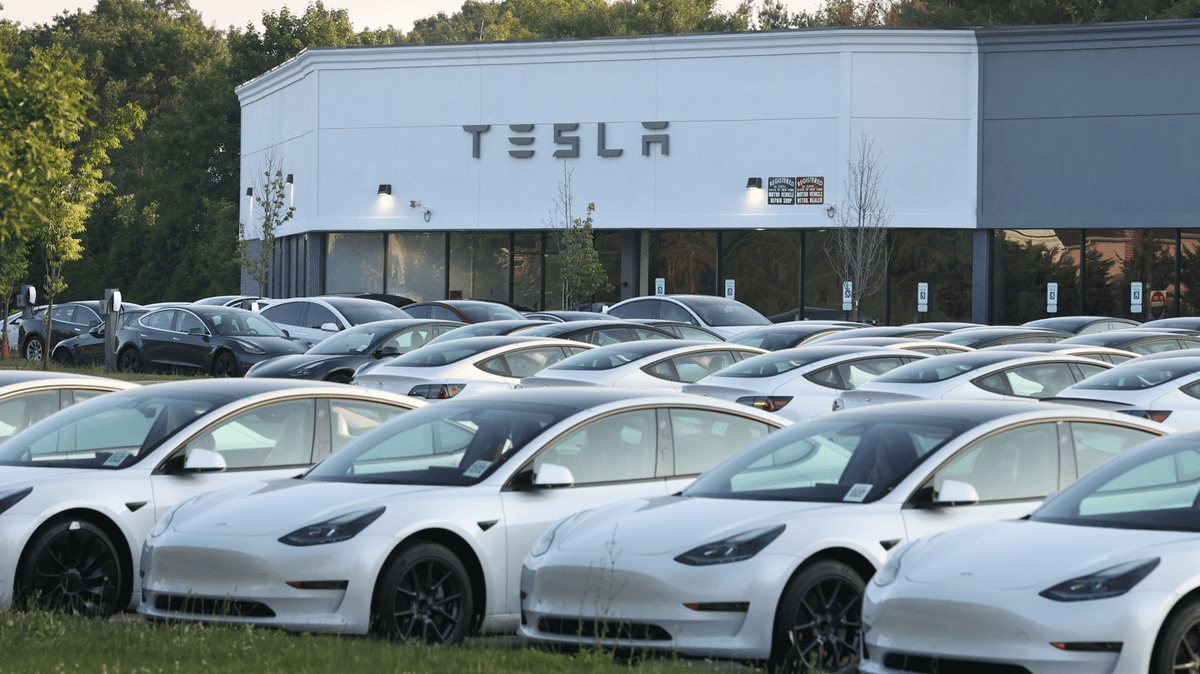
Introduction to Tesla's New Policy
Tesla, the electric vehicle pioneer, has recently implemented a controversial policy that fines customers up to $50,000 for selling their vehicles within a specified timeframe after purchase. This move has raised eyebrows across the automotive and financial landscapes, as it signals a shift in how the company manages its customer relationships and resale market dynamics. As the demand for electric vehicles surges, Tesla's new rules could have significant implications for both buyers and the broader used car market.
Understanding the Fining Structure
The fines imposed by Tesla vary depending on the model and the resale timing. Customers selling their vehicles within the first year of ownership face the steepest penalties, which can reach as high as $50,000 for premium models. The rationale behind this policy appears to be Tesla’s effort to maintain its brand value and control over the resale market, ensuring that cars remain within a certain pricing structure and are not sold at significant markups by third-party dealers.
Impact on Tesla's Brand Image
This aggressive stance on resale might have mixed effects on Tesla's brand image. On one hand, it could reinforce the perception of Tesla as a premium brand that seeks to control its product's market value. On the other hand, it risks alienating customers who feel constrained by the company's ownership terms. The fine could signal to potential buyers that Tesla is less focused on customer satisfaction and more concerned with maintaining high resale values, potentially impacting long-term loyalty.
Analyzing the Market Response
The introduction of these fines has prompted varied reactions from the market. Investors are closely monitoring how this policy affects Tesla's sales figures and customer retention rates. Some analysts believe that while the fines may deter potential resellers, they could also encourage customers to hold onto their vehicles longer, thereby reducing the frequency of new sales. This could lead to a decrease in immediate revenue but may stabilize the company’s long-term market position.
Customer Reactions and Concerns
Customer feedback regarding Tesla's new policy has been largely negative. Many owners feel that they should have the right to sell their property without facing hefty fines. This sentiment is particularly strong among those who purchased their vehicles as investments or who may need to sell due to changing personal circumstances. The fines could also lead to a potential backlash, with some customers considering other electric vehicle options that do not impose such restrictions.
How to Check if Your Tesla is Affected
For Tesla owners and potential buyers, it is crucial to understand whether their vehicle falls under the new fine structure. Tesla has outlined specific criteria that determine if a car is subject to the resale penalties. Owners can check their vehicle identification number (VIN) against Tesla’s official communications or customer service channels to ascertain if their vehicle is impacted. Additionally, the company has emphasized the importance of maintaining documentation related to the purchase and any subsequent sales.
Legal Perspectives on Resale Restrictions
The legality of Tesla’s fine policy may also come under scrutiny. Various states have laws governing the resale of automobiles, particularly concerning the rights of consumers. Legal experts are debating whether Tesla’s fines could be challenged in court, as they may infringe upon consumer rights to sell their property freely. This aspect adds another layer of complexity to the situation, as it could lead to potential legal battles that might impact Tesla’s operations and reputation.
Economic Implications for the Used Car Market
Tesla’s decision to impose fines on resellers could have broader economic implications for the used car market. By discouraging quick resales, Tesla may inadvertently inflate the prices of used Teslas on the market, as fewer vehicles will be available for sale within the first year of ownership. This could create a scarcity effect, driving up prices and potentially benefiting those who choose to hold onto their vehicles longer.
Future of Tesla's Resale Policy
Looking ahead, the sustainability of Tesla’s resale policy remains uncertain. As the electric vehicle market continues to evolve, Tesla may need to adapt its strategies to balance brand integrity with customer satisfaction. Analysts suggest that the company could explore alternative approaches, such as implementing a more flexible resale program that incentivizes loyalty and encourages customers to remain within the Tesla ecosystem.
Conclusion: Navigating the New Landscape
In conclusion, Tesla's decision to fine customers for selling their cars within a certain timeframe marks a significant shift in the company's operational strategy. While it aims to maintain brand value and control the resale market, it also risks alienating customers and raising legal questions. For current and prospective Tesla owners, understanding the implications of this policy is essential, particularly as the market adapts to these new rules. As Tesla navigates this complex landscape, it will be critical for the company to balance its business objectives with the expectations of its customer base.