


Introduction to the Donation
The Bezos family has made headlines once again, this time through a significant charitable contribution of $100 million aimed at supporting the initiatives of New York City Mayor Zohran Mamdani. This donation aligns with one of Mamdani's key campaign promises: to address the pressing issue of affordable housing in the city. The financial backing from the Bezos family underscores their commitment to philanthropy, particularly in a city grappling with a growing housing crisis.
The Bezos Family's Philanthropic Legacy
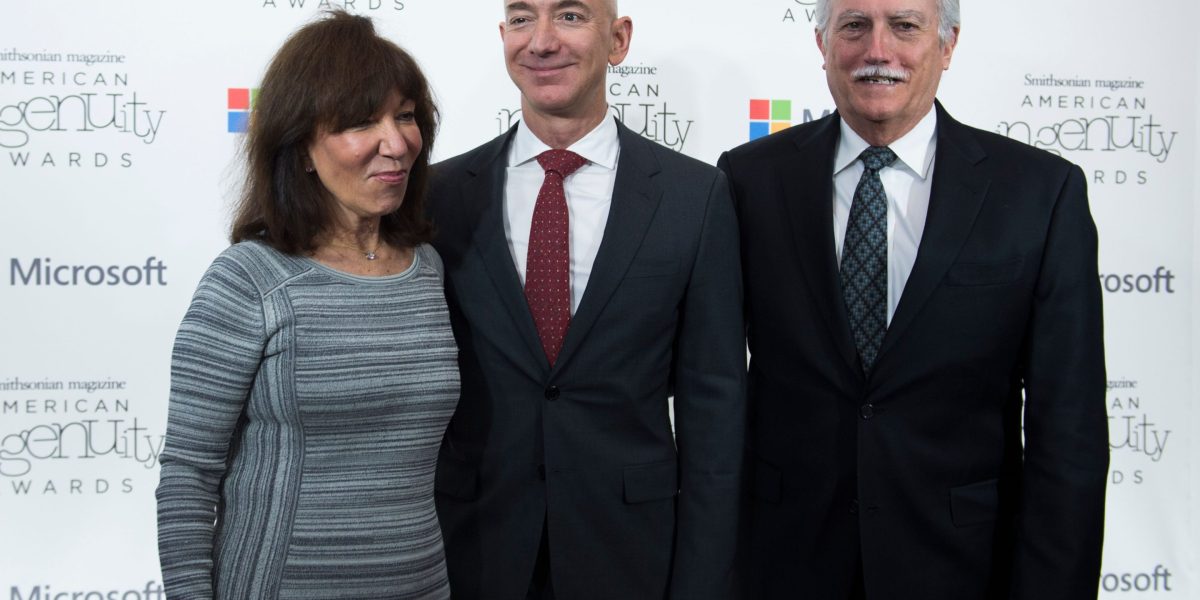
Jeff Bezos, the founder of Amazon, has often been in the spotlight for his business ventures, but his family's philanthropic activities are equally noteworthy. The Bezos parents, Jacklyn and Miguel, have established a reputation for their charitable endeavors, particularly through their involvement with the Robin Hood Foundation. This organization, known for its focus on alleviating poverty in New York City, has attracted support from numerous high-profile donors. The recent donation is a testament to the Bezos family's long-standing commitment to social causes, particularly in the realm of housing and community development.
Mayor Mamdani's Vision for Affordable Housing
Mayor Zohran Mamdani, who took office amid a challenging economic landscape, has prioritized affordable housing as a central issue of his administration. His campaign emphasized the need for innovative solutions to combat the city's housing crisis, which has seen a dramatic increase in rent prices and a corresponding decrease in available housing for low- and middle-income families. Mamdani's approach combines policy reform with community engagement, seeking to create a more equitable housing market in New York City.
The Impact of the $100 Million Donation
The $100 million donation from the Bezos family is expected to have a substantial impact on Mamdani's housing initiatives. This funding will likely be directed towards various programs aimed at increasing the availability of affordable housing units, enhancing existing housing infrastructure, and providing support services for vulnerable populations. The scale of the donation positions it as one of the most substantial contributions to local housing efforts in recent memory, potentially catalyzing further investments in the sector.
Community Response and Expectations
The response from the community and local leaders has been generally positive, with many expressing hope that this donation could serve as a model for future philanthropic efforts in the city. Community organizations that focus on housing advocacy have welcomed the financial support, viewing it as a critical step towards addressing systemic issues that have long plagued New York City. However, there are also calls for transparency regarding how the funds will be allocated and managed to ensure that they are effectively utilized in achieving the desired outcomes.
The Role of Philanthropy in Urban Development
This donation raises broader questions about the role of philanthropy in urban development and policy reform. While contributions from wealthy individuals and families can provide much-needed resources for pressing social issues, there is an ongoing debate about the implications of such financial influence on public policy. Critics argue that reliance on philanthropic funding can undermine government responsibilities and create a patchwork of services that may not adequately address root causes of issues like affordable housing.
Potential Challenges Ahead
Despite the optimism surrounding the donation, challenges remain. The complexity of New York City's housing market means that even substantial financial contributions may not immediately translate into tangible results. Issues such as zoning laws, bureaucratic red tape, and the need for comprehensive policy reforms will require concerted efforts beyond financial support. Additionally, there is concern about the potential for gentrification, where increased investment in certain neighborhoods could inadvertently drive up costs for existing residents.
Looking Forward: The Future of Housing Initiatives
As Mayor Mamdani's administration moves forward with implementing housing initiatives, the $100 million donation from the Bezos family will likely play a pivotal role in shaping the future landscape of affordable housing in New York City. The mayor's office has indicated plans to collaborate closely with community organizations and stakeholders to ensure that the funds are used effectively and transparently. This collaborative approach could serve as a blueprint for future public-private partnerships aimed at addressing urban challenges.
The Bigger Picture: Philanthropy and Economic Inequality
The Bezos family's donation also highlights the ongoing conversation about economic inequality in America. As the wealth gap continues to widen, philanthropic efforts from billionaires have become increasingly scrutinized. While such contributions can provide immediate relief for pressing issues, they also raise questions about the long-term sustainability of solutions to systemic problems like affordable housing. Policymakers and philanthropists alike must navigate these complexities to foster equitable growth and development.
Conclusion: A Step Towards Change
The $100 million donation from the Bezos family represents a significant commitment to addressing one of New York City's most pressing challenges: affordable housing. As Mayor Mamdani embarks on implementing his vision for a more inclusive housing policy, this financial support could be a catalyst for meaningful change. However, the success of these initiatives will depend not only on the availability of funds but also on effective collaboration, transparent governance, and a holistic approach to addressing the multifaceted issues surrounding housing in the city. The coming months will be crucial in determining whether this donation can translate into lasting improvements for New Yorkers in need.