


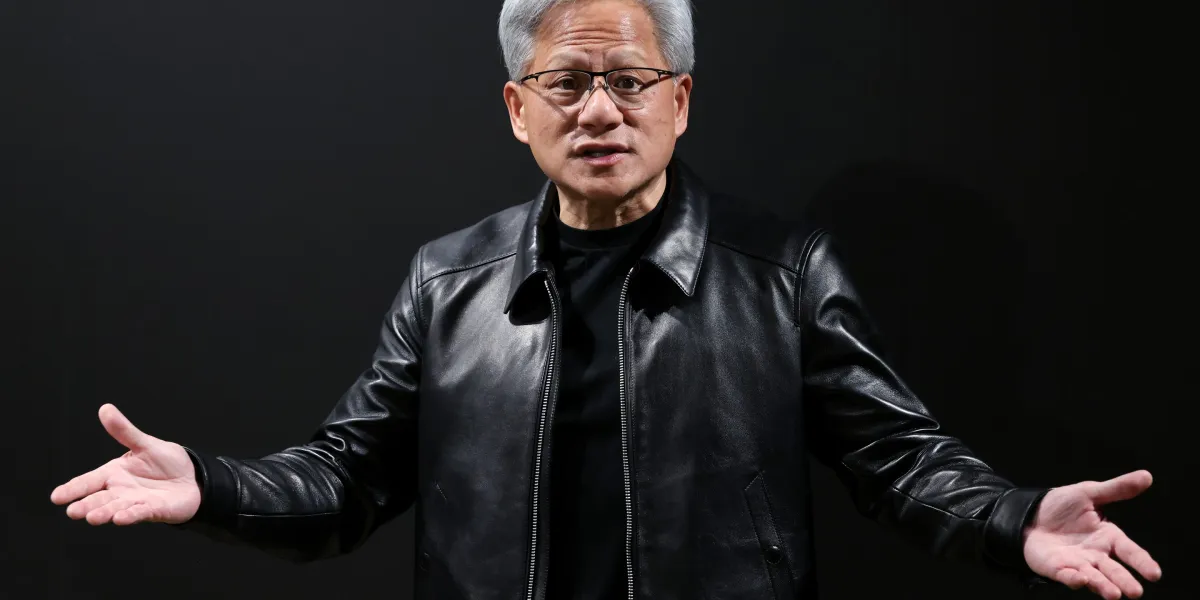
Jensen Huang's Perspective on AI Fearmongering
In a recent statement, Jensen Huang, CEO of Nvidia, expressed his concerns regarding the narratives surrounding artificial intelligence (AI) that have been propagated by some industry leaders. Huang characterized these narratives as “irresponsible,” suggesting that they serve ulterior motives rather than informing the public about the true potential of AI technology. His comments come at a time when discussions about the ethical implications and future of AI are at the forefront of public discourse.
The AI Doomsday Narrative
The so-called “doomsday narratives” suggest that the rapid advancement of AI could lead to catastrophic outcomes, including widespread job displacement, loss of control over autonomous systems, and even existential threats to humanity. Huang, however, asserts that the likelihood of such scenarios is negligible, stating there is a “0% chance” of an AI-induced apocalypse. This stark contrast in viewpoints highlights a growing divide within the tech community regarding the future implications of AI.
Motivations Behind Fearmongering
Huang's assertion that some AI pioneers may have ulterior motives for promoting these doomsday scenarios raises questions about the motivations driving such narratives. Some industry experts suggest that fearmongering could be a strategy to garner attention and funding, as sensational stories often attract media coverage and public interest. By framing AI as a potential threat, these leaders may be attempting to influence policy discussions and accelerate regulatory measures that could benefit their own companies or agendas.
The Impact on Public Perception
The propagation of fear-based narratives around AI has significant implications for public perception and policy. As concerns about job security and ethical considerations rise, it becomes increasingly important for industry leaders to communicate the potential benefits of AI alongside its risks. Huang's call for responsible discourse is a reminder that the future of AI should not be dictated by fear but rather by informed discussions about its capabilities and limitations.
AI's Transformative Potential
Despite the fears surrounding AI, Huang emphasizes the transformative potential of the technology. Nvidia, under his leadership, has been at the forefront of AI innovation, providing the necessary hardware and software to power advancements in machine learning, data analysis, and autonomous systems. Huang believes that AI can significantly enhance productivity across various sectors, from healthcare to finance, ultimately improving the quality of life for individuals worldwide.
Balancing Innovation with Ethical Considerations
As AI continues to evolve, balancing innovation with ethical considerations becomes crucial. Huang advocates for a collaborative approach among tech leaders, policymakers, and ethicists to ensure that AI development is guided by principles that prioritize human welfare. This includes addressing concerns related to bias in AI algorithms, privacy issues, and ensuring that the benefits of AI are distributed equitably across society.
The Role of Regulators in AI Development
Regulatory frameworks will play a significant role in shaping the future of AI. Huang's critique of fear-driven narratives highlights the need for informed regulation that fosters innovation while protecting public interests. Policymakers must navigate the complex landscape of AI technology, balancing the need for oversight with the desire to encourage technological advancement. Huang suggests that a collaborative dialogue between industry and regulators can lead to effective policies that enhance public trust in AI.
Investor Sentiment and Market Dynamics
The ongoing debate regarding AI's potential risks and rewards has implications for investor sentiment and market dynamics. Companies like Nvidia have seen substantial growth as a result of increased demand for AI technologies. However, heightened fears around AI could lead to volatility in stock prices and investment decisions. Investors are likely to remain cautious as they assess the long-term viability of AI-driven companies in light of potential regulatory changes and public sentiment.
Addressing Public Concerns Through Education
Education plays a pivotal role in alleviating public concerns about AI. Huang believes that increasing awareness and understanding of AI technology among the general public can counteract fear-driven narratives. By providing transparent information about how AI works and its potential applications, industry leaders can demystify the technology and foster a more informed dialogue. Initiatives aimed at educating the workforce about AI's capabilities and limitations will be essential in preparing society for the changes brought about by this technology.
Future Outlook: A Collaborative Approach
Looking ahead, Huang envisions a future where AI is developed responsibly and used to solve pressing global challenges. His call for a collaborative approach among tech leaders, regulators, and the public underscores the importance of unity in navigating the complexities of AI. By prioritizing ethical considerations and promoting transparent discussions, the industry can work towards harnessing AI's potential while mitigating its risks.
Conclusion: The Need for Responsible AI Discourse
Jensen Huang's remarks serve as a crucial reminder of the importance of responsible discourse in the AI sector. As narratives surrounding AI continue to evolve, it is essential for industry leaders to communicate the technology's benefits while addressing legitimate concerns. By fostering a collaborative environment among all stakeholders, the future of AI can be shaped in a way that maximizes its potential while safeguarding against its risks. The path forward will require a commitment to transparency, education, and ethical considerations, ensuring that AI serves as a tool for progress rather than a source of fear.