


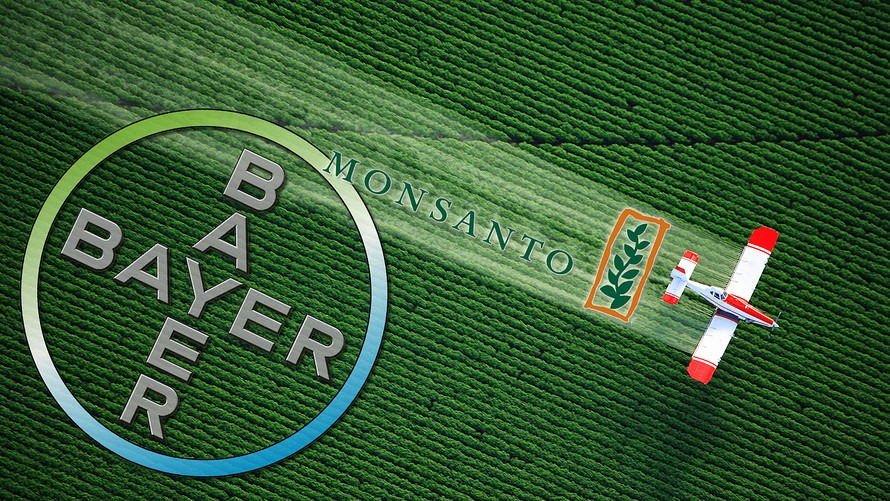
The Bayer-Monsanto Merger: A Costly Acquisition
In 2018, Bayer AG finalized its acquisition of Monsanto Company for a staggering $63 billion, a move that was heralded as a strategic expansion into the agricultural sector. However, the merger quickly became embroiled in controversy following the revelation of Monsanto's liability in lawsuits claiming that its herbicide Roundup caused non-Hodgkin lymphoma. This acquisition, while aimed at enhancing Bayer's position in the global agricultural market, has since raised questions regarding corporate governance, ethics in business decisions, and the long-term implications of prioritizing growth over due diligence.
The Legal Fallout: A Case Study in Corporate Responsibility
The legal troubles began shortly after the merger was announced, culminating in a series of lawsuits that would challenge Bayer's operational integrity. The first significant liability case, which Monsanto lost, hinged on the discovery of internal documents that indicated the company may have downplayed the risks associated with its flagship product. This pivotal moment not only affected Bayer's stock prices but also raised alarms among investors regarding the potential financial repercussions stemming from ongoing litigation.
As these legal battles unfolded, Bayer found itself in a precarious position. The company had invested heavily in the acquisition, believing that Monsanto's agricultural technologies would bolster its portfolio. The subsequent liability cases, however, underscored the potential risks associated with mergers and acquisitions, particularly when the target company is embroiled in significant legal challenges. This scenario serves as a cautionary tale for other corporations contemplating similar strategies.
The Financial Impact: Stock Performance and Investor Sentiment
Following the acquisition, Bayer's stock performance exhibited volatility, largely influenced by the ongoing legal proceedings and the associated financial liabilities. Investors, who initially embraced the merger as a pathway to growth, became increasingly wary as the implications of the lawsuits began to materialize. The company's market capitalization suffered, and analysts began to reassess Bayer's long-term growth prospects, factoring in the potential costs of litigation and settlements.
In response to these challenges, Bayer has taken measures to mitigate the financial impact, including restructuring efforts and a reevaluation of its product lines. Despite these efforts, the shadow of the Monsanto acquisition continues to loom large, prompting discussions about corporate governance and the responsibilities that come with large-scale mergers.
Corporate Governance: Lessons Learned from Bayer's Experience
The Bayer-Monsanto merger has prompted an examination of corporate governance practices, particularly in the context of risk assessment and management. The acquisition illustrates the importance of thorough due diligence, especially when acquiring a company with existing legal vulnerabilities. Investors and stakeholders are now more cognizant of the need for transparency in corporate dealings, particularly when it comes to potential liabilities that could affect a company's financial stability.
Moreover, the case highlights the necessity for companies to establish robust risk management frameworks that account for both financial and reputational risks. As corporations navigate increasingly complex regulatory environments, the lessons learned from Bayer's experience could serve as a blueprint for future mergers and acquisitions, emphasizing the importance of aligning strategic goals with ethical considerations.
Market Reactions: The Role of Public Perception
The public perception of Bayer has been significantly impacted by the Monsanto merger, with consumer sentiment playing a crucial role in shaping market dynamics. As lawsuits gained media attention, public opinion shifted, leading to increased scrutiny of Bayer's farming practices and product safety. This shift has broader implications for the agricultural sector, where consumer trust is paramount.
In response to the growing concerns surrounding its products, Bayer has initiated campaigns aimed at rebuilding its image and restoring consumer confidence. These efforts include increased transparency about product safety and engagement with stakeholders to address environmental and health concerns. However, regaining public trust is a long-term endeavor that requires consistent effort and accountability.
Future Outlook: Navigating the Path Forward
As Bayer continues to navigate the complexities arising from its acquisition of Monsanto, the company faces a pivotal moment in its corporate trajectory. The ongoing legal challenges are a reminder of the unpredictable nature of corporate mergers, particularly when they involve companies with contentious histories. Analysts suggest that Bayer's future success hinges not only on resolving these legal issues but also on its ability to innovate and adapt in a rapidly changing agricultural landscape.
Looking ahead, Bayer must focus on diversifying its product offerings and investing in sustainable agricultural practices that resonate with consumers and regulators alike. The company's commitment to innovation will be critical in mitigating the risks associated with its past decisions and positioning itself as a leader in responsible agricultural practices.
Conclusion: The Cost of Winning
The Bayer-Monsanto merger serves as a case study in the complexities of corporate acquisitions and the inherent risks involved. While the desire to win in the competitive landscape is a driving force behind many business decisions, the implications of such actions can be profound and far-reaching. As Bayer grapples with the consequences of its acquisition, the lessons learned from this experience will undoubtedly shape the future of corporate governance, risk management, and public trust in the agricultural sector.
Ultimately, the journey of Bayer post-Monsanto acquisition underscores a critical point: winning at all costs can come with significant liabilities, both financial and reputational. The path forward will require strategic foresight, ethical considerations, and an unwavering commitment to corporate responsibility to ensure sustainable growth and long-term success.