


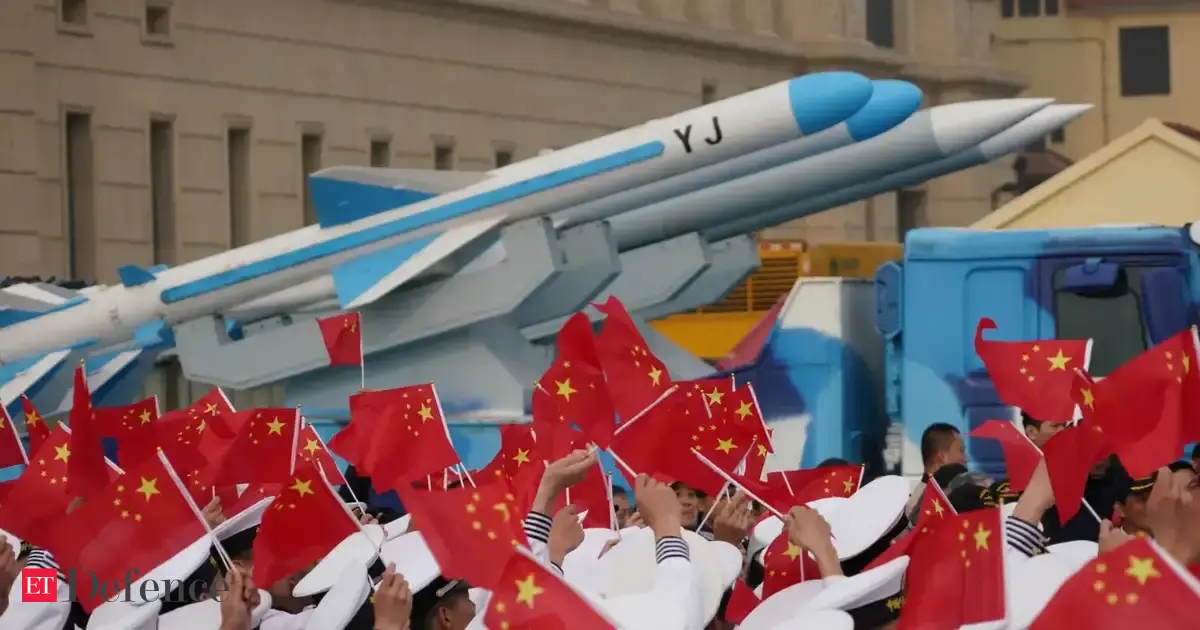
Rising Tensions: China’s Strategic Arms Shipment to Iran
As geopolitical dynamics shift, recent intelligence reports indicate that China is preparing to send advanced air defense systems to Iran in the coming weeks. This development has ignited concerns among U.S. officials and allies, as it could significantly alter the balance of power in the Middle East. Analysts suggest that Beijing may utilize third countries to obscure the shipments, adding a layer of complexity to an already fraught international landscape.
The Implications for U.S.-Iran Relations
This arms transfer comes at a pivotal moment, coinciding with high-level talks scheduled between the United States and Iran. These discussions aim to address various contentious issues, including Iran’s nuclear program and regional activities. The potential influx of advanced military technology from China could embolden Iran, complicating diplomatic efforts and raising the stakes for U.S. negotiators. Analysts warn that this development could lead to a more aggressive posture from Tehran, undermining the fragile peace in the region.
China’s Growing Influence in the Middle East
China's decision to supply military equipment to Iran is indicative of its broader strategy to expand influence in the Middle East. Historically, China has maintained a delicate balancing act in the region, fostering economic ties with both Iran and Saudi Arabia. By deepening military cooperation with Iran, Beijing is signaling its commitment to supporting allies in opposition to U.S. interests. This shift may further alienate China from its traditional partners, particularly in the Gulf Cooperation Council (GCC), as they perceive a growing threat from Iran.
Economic Ramifications of Increased Military Support
The potential shipment of air defense systems underscores the economic implications of military engagements in the region. Iran, facing severe economic challenges due to sanctions, may view enhanced military capabilities as a means of asserting its position amidst negotiations. This dynamic could lead to escalated military expenditures, diverting resources from essential public services and economic development. Furthermore, the prospect of increased military spending may deter foreign investment and exacerbate Iran's economic isolation.
Global Market Reactions: Oil and Defense Stocks
The announcement of China's military support for Iran has already begun to reverberate through global markets, particularly in the oil sector. Investors are closely monitoring the situation, as tensions in the Middle East often lead to fluctuations in oil prices. A potential escalation in hostilities could threaten the stability of oil supply routes, prompting traders to hedge against rising prices. Consequently, crude oil futures have seen an uptick, reflecting market anxieties about the impact of geopolitical unrest on global energy supplies.
Defense Sector Opportunities Amid Geopolitical Uncertainty
Conversely, defense stocks are likely to benefit from heightened military tensions. Companies engaged in the production of advanced military technologies may see increased demand as nations reassess their defense strategies in light of evolving threats. The anticipated arms shipment from China to Iran could prompt U.S. allies in the region to bolster their own military capabilities, leading to increased defense spending and opportunities for U.S. contractors. Investors in defense stocks may find this environment favorable, as governments seek to enhance their military readiness.
U.S. Response: Diplomatic and Military Options
The U.S. government is faced with a challenging situation as it navigates the implications of China's arms shipment to Iran. In the short term, U.S. officials may pursue intensified diplomatic efforts to dissuade China from proceeding with the transfer. This could involve leveraging economic sanctions or diplomatic pressure on countries that may serve as conduits for the weapons. Additionally, the U.S. may consider enhancing its military presence in the region as a deterrent against Iranian aggression, signaling to both Tehran and Beijing that it remains committed to protecting its interests and those of its allies.
Long-Term Consequences for Regional Stability
The long-term consequences of China's military support for Iran could be profound. A more empowered Iran may pursue aggressive tactics in its regional engagements, further destabilizing an already volatile Middle East. This could lead to an arms race among regional powers, as neighboring countries respond to perceived threats by enhancing their own military capabilities. Such developments could undermine years of diplomatic efforts aimed at fostering stability and cooperation in the region.
International Reactions: Allies and Rivals
The international community is closely monitoring the evolving situation, as allies and rivals alike assess their positions in light of China's actions. European nations, traditionally supportive of diplomatic resolutions, may find themselves compelled to reevaluate their strategies in the face of a more militarized Iran. Meanwhile, rival powers such as Russia may view China’s military support for Iran as an opportunity to deepen their own ties with Tehran, complicating the global response to the situation.
Conclusion: Navigating a Complex Landscape
As the United States and its allies grapple with the implications of China's arms shipment to Iran, the stakes are higher than ever. The intersection of military support, economic interests, and diplomatic negotiations creates a complex landscape that requires careful navigation. The coming weeks will be critical in determining not only the future of U.S.-Iran relations but also the broader geopolitical trajectory of the Middle East. Stakeholders across the spectrum—governments, investors, and military strategists—will need to remain vigilant as they respond to the unfolding developments in this high-stakes arena.