


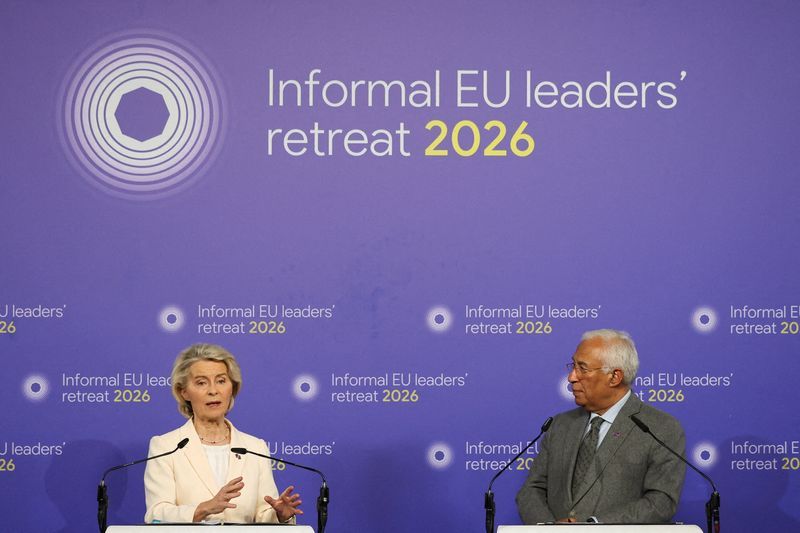
Introduction: The Imperative for Economic Reform
As Europe grapples with increasing economic pressures from the U.S. and China, the European Union (EU) is at a crossroads. With calls for enhanced competitiveness growing louder, EU governments are recognizing the need for a more flexible approach to economic reform. A two-track strategy may offer a viable solution to break the current deadlock that has stymied progress across the bloc.
Challenges of Unity in Economic Policy
The EU has long emphasized the importance of unity among its 27 member states, particularly in response to external economic challenges. However, this commitment to a unified front has often resulted in stagnation, as achieving consensus among diverse economies and political landscapes proves to be a daunting task. The recent economic landscape, characterized by supply chain disruptions and inflationary pressures, underscores the urgency for swift and decisive action.
A Two-Track Strategy: Exploring Alternatives
In light of these challenges, EU leaders are contemplating a two-track approach to economic reform. This strategy would allow for a more diverse set of initiatives that could be implemented at varying speeds, depending on the readiness and willingness of individual member states. By enabling some countries to advance reforms while others catch up, the EU could potentially accelerate its response to global economic pressures.
Potential Benefits of a Two-Track Approach
A two-track approach could yield significant benefits for the EU. First, it would allow for targeted reforms in sectors where certain countries excel, fostering innovation and competitiveness. For instance, member states with strong technological sectors could lead initiatives in digital transformation, while those with robust manufacturing bases could focus on enhancing productivity. This flexibility could lead to a more dynamic and responsive economic environment across the continent.
Risks and Concerns: Fragmentation of the Union
However, the adoption of a two-track strategy is not without its risks. Critics argue that such an approach could exacerbate existing disparities between member states, leading to a fragmentation of the EU. Economically stronger nations may pull ahead, leaving weaker economies further behind. This potential divergence could undermine the very principles of solidarity and cohesion that the EU was built upon.
The Role of Key Stakeholders
Key stakeholders, including business leaders and policymakers, will play a critical role in shaping the success of this proposed strategy. Engaging the private sector can provide valuable insights into the specific needs and capabilities of various industries, ensuring that reforms are both relevant and effective. Moreover, fostering dialogue among member states will be essential to mitigate concerns about fragmentation and to promote a sense of shared purpose.
Conclusion: The Path Forward for Europe
As the EU weighs its options, the need for a balanced approach that prioritizes both unity and flexibility has never been more pressing. The two-track strategy could serve as a pragmatic solution to enhance Europe's competitiveness in an increasingly challenging global landscape. However, careful consideration and collaboration among member states will be paramount to ensure that the EU emerges stronger and more cohesive in the face of external economic pressures. Tags: