


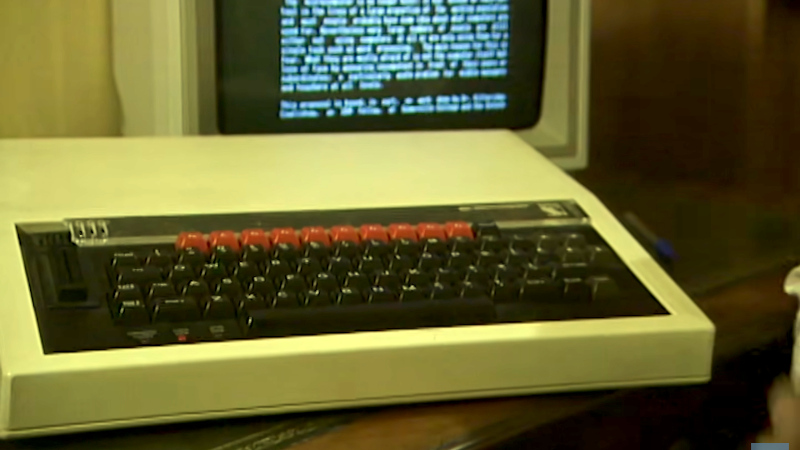
The Genesis of the BBC Computer Literacy Project
The BBC Computer Literacy Project, launched in 1980, marked a pivotal moment in the intersection of technology and education in the United Kingdom. Conceived in response to the growing importance of computing skills in an increasingly digital world, the initiative aimed to enhance the understanding and accessibility of computers among the general populace, particularly targeting school-aged children. At its core, the project was an ambitious endeavor to demystify technology and embed computing as a fundamental skill in the educational curriculum.
Funding and Development: A Collaborative Effort
The project was a collaborative effort between the British Broadcasting Corporation (BBC), educators, and software developers. With a budget of £3 million, the BBC set out to create a comprehensive educational program that would not only teach children how to use computers but also foster an interest in programming and technology. The initiative resulted in the development of the BBC Microcomputer, a machine that became synonymous with computer education in the UK during the 1980s.
Impact on Education and Society
The BBC Microcomputer was distributed to schools across the country, serving as a crucial educational tool. It not only equipped students with practical computing skills but also inspired a generation to explore careers in technology and engineering. The project played a significant role in laying the groundwork for the UK’s tech industry, as many of those who were educated on the BBC Micro went on to become influential figures in software development and other technology sectors.
Moreover, the project helped to democratize access to technology. By placing computers in schools, the BBC Computer Literacy Project ensured that children from various socio-economic backgrounds had the opportunity to engage with technology, fostering a more inclusive environment for learning and innovation.
The Role of Media in Promoting Technology
The BBC’s commitment to the project extended beyond hardware and software; the broadcaster also produced a series of educational television programs aimed at teaching viewers about computers. These broadcasts were instrumental in reaching audiences who may not have had direct access to a computer, thus broadening the project's impact. The combination of practical training and media outreach created a multifaceted approach to computer literacy that resonated with the public.
Legacy and Influence on Future Initiatives
The legacy of the BBC Computer Literacy Project is evident in the continued emphasis on digital literacy in educational systems worldwide. As technology has evolved, so too has the understanding of what it means to be “computer literate.” The project set a precedent for future initiatives aimed at integrating technology into education, influencing policies that prioritize STEM (Science, Technology, Engineering, and Mathematics) education in schools globally.
In recent years, discussions around digital literacy have expanded to include not only the ability to use technology but also the critical thinking skills necessary to navigate an increasingly complex digital landscape. The foundational work laid by the BBC Computer Literacy Project continues to inform these contemporary conversations.
Economic Implications of the Digital Revolution
The advent of personal computing and the internet has fundamentally transformed the global economy. The skills fostered by the BBC Computer Literacy Project contributed to the emergence of a tech-savvy workforce that has driven innovation and economic growth. The UK’s tech sector has flourished, becoming one of the fastest-growing industries in the country and contributing significantly to GDP.
As we examine the economic implications of this digital revolution, it is essential to acknowledge the role of early initiatives like the BBC Computer Literacy Project. By equipping individuals with the skills necessary to thrive in a digital economy, the project has had a lasting impact on the UK’s position in the global market.
The 8-Bit Generation: Nostalgia and Reflection
For those who grew up during the 1980s, the BBC Computer Literacy Project evokes a sense of nostalgia. The experience of learning to code on a BBC Micro or watching educational programs on television is a shared memory that has shaped the identity of the 8-bit generation. This cohort has witnessed the rapid evolution of technology, from the early days of personal computing to the rise of smartphones and the internet of things.
As members of this generation reflect on their formative experiences with technology, many recognize the profound impact the BBC Computer Literacy Project had on their lives. It instilled a sense of curiosity and a desire to innovate, qualities that have driven countless individuals to pursue careers in technology and entrepreneurship.
Challenges and Criticism: A Balanced Perspective
While the BBC Computer Literacy Project is often celebrated for its contributions to education and technology, it is not without its challenges and criticisms. Some argue that the project did not fully address the disparities in access to technology, particularly for underprivileged communities. The initiative primarily focused on schools, which, while beneficial, may have inadvertently left some children behind in terms of access to computing resources.
Furthermore, as technology has advanced, the skills imparted by the project have evolved. Critics contend that the project’s focus on basic computer literacy may not adequately prepare students for the complexities of modern technology, which requires a deeper understanding of coding, data analysis, and cybersecurity. This has led to calls for updated educational initiatives that reflect the current technological landscape.
The Future of Digital Literacy in Education
Looking ahead, the conversation around digital literacy continues to evolve. As technology becomes increasingly integrated into every aspect of our lives, educational systems must adapt to ensure that students are equipped with the skills necessary to navigate a digital world. Initiatives inspired by the BBC Computer Literacy Project are emerging globally, focusing on a holistic approach to digital education that encompasses not just technical skills, but also critical thinking and ethical considerations.
In conclusion, the BBC Computer Literacy Project stands as a landmark initiative that has shaped the landscape of education and technology in the UK. Its legacy is felt not only in the skills it imparted to a generation but also in the broader economic and social implications of digital literacy. As we continue to navigate the complexities of a digital world, the lessons learned from this project remain relevant, guiding future efforts to foster a more inclusive and technologically proficient society.