


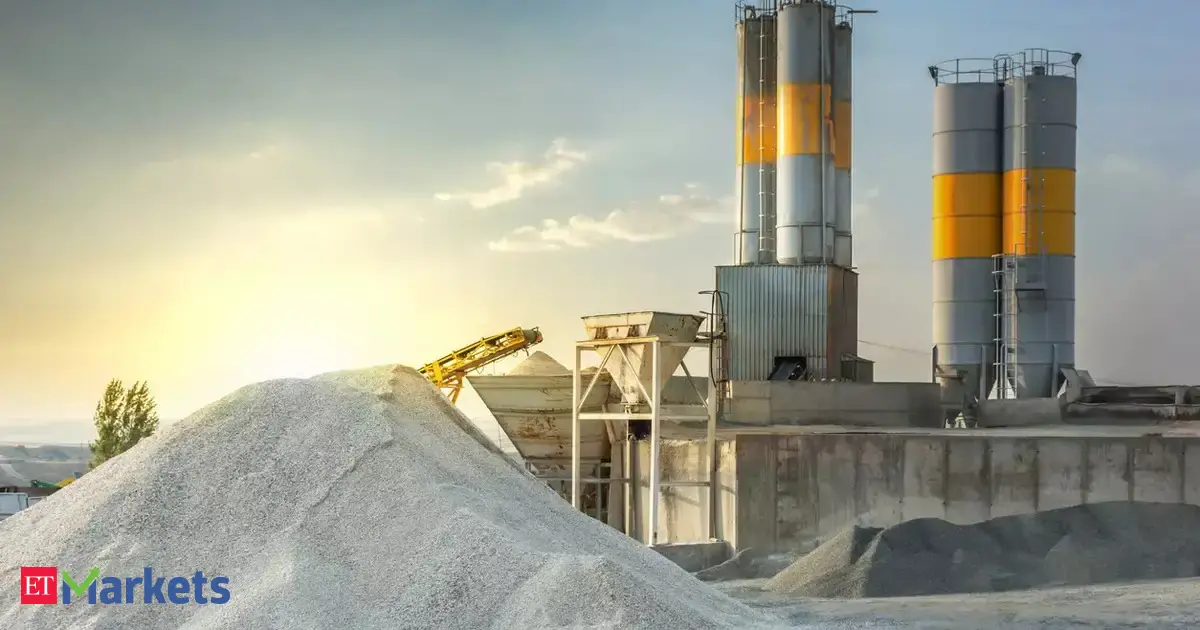
Cement Sector Overview: Price Increases on the Horizon
The cement industry is experiencing a notable rally in stock prices, driven by market expectations that manufacturers will implement price increases to counteract rising fuel costs. This anticipated move is seen as a necessary step for companies to maintain their margins in the face of escalating operational expenses. Analysts are closely monitoring this development, as it could serve as a pivotal moment for the sector, particularly amid ongoing global economic uncertainties.
Rising Fuel Costs Impacting Profit Margins
Fuel expenses have surged in recent months, driven by geopolitical tensions and supply chain disruptions. As one of the primary inputs in cement production, the increasing cost of fuel is exerting significant pressure on profit margins for manufacturers. In response, many companies within the sector are signaling their intent to pass these costs onto consumers through price hikes. This strategy not only aims to safeguard profitability but also to ensure the sustainability of operations as input costs continue to rise.
Market Reaction: Investor Confidence in Cement Stocks
The stock market has reacted positively to the news of potential price increases, with cement stocks witnessing a significant uptick. Investors are expressing confidence that the sector can weather current challenges by leveraging pricing power. The anticipation of improved revenue streams has led to increased buying activity in cement-related equities, which has further fueled the rally. This optimism is indicative of a broader belief that the cement industry remains resilient, even in the face of external pressures.
Analysts Weigh In: Fundamentals Remain Strong
Despite the backdrop of rising costs and global tensions, analysts maintain that the fundamentals of the cement industry remain robust. Demand for cement is expected to stay strong, particularly in developing markets where infrastructure projects continue to expand. The construction sector is poised for growth, driven by government initiatives aimed at boosting economic recovery through infrastructure spending. This underlying demand is expected to support cement prices and, by extension, the profitability of manufacturers.
Strategic Responses from Leading Manufacturers
Leading cement manufacturers are proactively addressing the challenges posed by rising costs. Many are implementing strategic initiatives to enhance operational efficiency, such as investing in technology and optimizing supply chains. Furthermore, some companies are exploring alternative fuels and raw materials to mitigate the impact of traditional fuel price volatility. These strategic responses not only aim to stabilize costs but also position companies for long-term growth as the industry evolves.
Global Economic Context: Tensions and Opportunities
The current global economic landscape is characterized by uncertainty, with geopolitical tensions affecting various industries. While the cement sector is not immune to these challenges, it is also presented with unique opportunities. Governments around the world are prioritizing infrastructure development as a means of stimulating economic activity, which bodes well for cement demand. As nations invest in building and upgrading infrastructure, the cement industry stands to benefit significantly from increased project pipelines.
Long-term Outlook: Sustainability and Innovation
Looking ahead, the cement industry is also grappling with the need for sustainability and innovation. As environmental regulations become more stringent, companies are exploring