


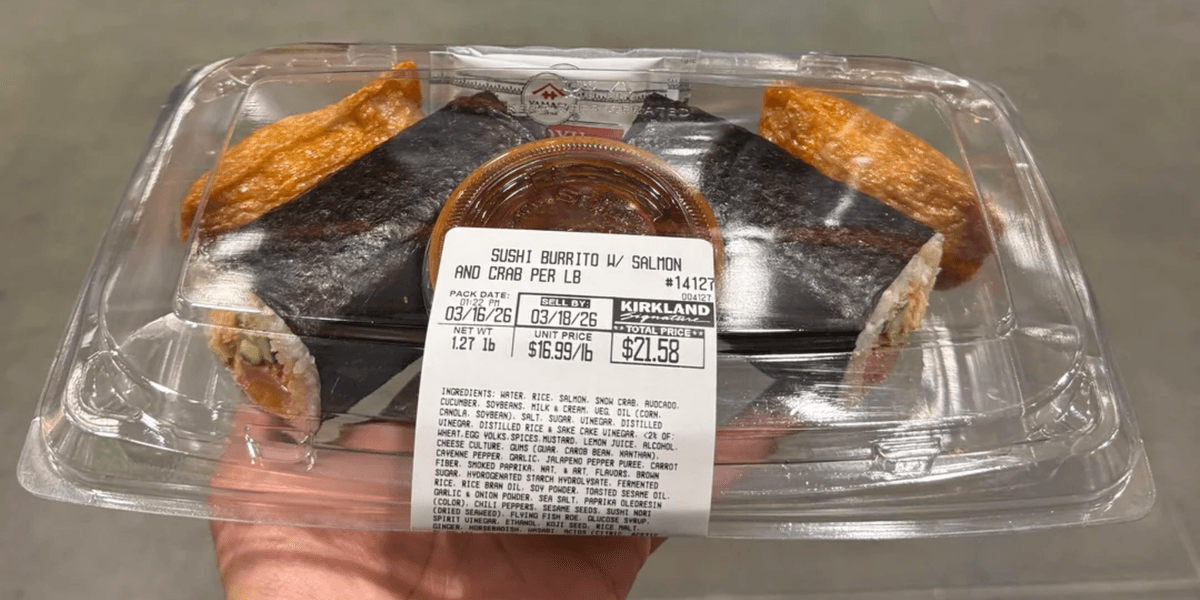
Introduction to Costco's Latest Culinary Offering
Costco, the membership-based warehouse club known for its bulk products and affordable prices, has recently introduced a new item that has captured the attention of its loyal customer base: the Kirkland Signature Sushi Burrito. Priced at over $20, this sushi burrito is a fusion dish combining elements of traditional sushi with the convenience of a burrito, leading to a mix of excitement and skepticism among shoppers. As the culinary landscape continues to evolve, this new offering raises questions about consumer preferences, food trends, and the potential impact on Costco’s bottom line.
The Allure of Fusion Cuisine
Fusion cuisine has become a significant trend in the food industry, appealing to consumers seeking novel dining experiences. The concept of blending different culinary traditions allows restaurants and food retailers to create unique dishes that cater to a diverse palate. Costco's foray into this trend with the sushi burrito aligns with its strategy to offer innovative products while maintaining the quality associated with its Kirkland Signature brand. However, the introduction of a $20+ item in a typically value-oriented environment has prompted mixed reactions from shoppers.
Customer Reactions: Enthusiasm vs. Disappointment
Initial responses to the sushi burrito have ranged from enthusiastic praise to outright disappointment. Many customers have expressed excitement over the new item, highlighting its potential as a convenient meal option that combines the flavors of sushi with the portability of a burrito. Enthusiasts have taken to social media to share their experiences, with some describing the dish as a “game changer” for quick meals. On the other hand, a vocal segment of shoppers has criticized the price point, arguing that it is excessive compared to traditional sushi offerings available at Costco or other retailers.
Pricing Strategy: Value vs. Premium Offerings
The pricing of the sushi burrito raises important questions about Costco's overall pricing strategy. Traditionally, the retailer has built its reputation on offering high-quality products at competitive prices. The introduction of a premium-priced item could signal a shift in strategy as Costco aims to attract a more diverse customer base, including those willing to pay more for unique culinary experiences. However, this approach risks alienating loyal customers who are accustomed to the value proposition that Costco has historically provided.
Market Trends: The Rise of Gourmet Ready-to-Eat Meals
The growing demand for gourmet ready-to-eat meals reflects broader market trends, as consumers increasingly prioritize convenience without sacrificing quality. The COVID-19 pandemic accelerated this trend, with more people turning to grocery stores for meal solutions as dining out became less feasible. In this context, Costco’s introduction of the sushi burrito could be seen as a strategic move to capture a segment of the market that desires quick, high-quality meal options. However, the success of this product will depend on its ability to resonate with consumers who may be hesitant about the price.
Competitive Landscape: How Does Costco Stack Up?
Costco is not the only retailer venturing into the gourmet ready-to-eat space. Competitors such as Trader Joe's and Whole Foods have long offered a variety of innovative meal options that appeal to health-conscious and adventurous eaters. As the market becomes increasingly crowded, Costco will need to differentiate its offerings not only through innovative products but also through competitive pricing. The sushi burrito’s success may hinge on whether it can stand out in a sea of similar products, particularly when price sensitivity remains a critical factor for many consumers.
The Impact of Social Media on Food Trends
In today’s digital age, social media plays a pivotal role in shaping food trends and consumer perceptions. The sushi burrito has quickly become a topic of discussion across various platforms, with influencers and food bloggers sharing their opinions and experiences. This viral attention can significantly influence purchasing decisions, particularly among younger demographics who are more likely to rely on social media for recommendations. Costco’s ability to harness this buzz could enhance the visibility of the sushi burrito, potentially driving sales despite mixed reviews.
Operational Considerations: Supply Chain and Quality Control
Introducing a new product like the sushi burrito also presents operational challenges for Costco. Ensuring that the dish meets the high standards of quality and freshness that customers expect is paramount. Sushi is particularly sensitive to freshness, and any issues in the supply chain could impact customer satisfaction and brand reputation. As Costco navigates these operational considerations, the company will need to maintain rigorous quality control measures to ensure that the sushi burrito lives up to its promise and meets consumer expectations.
Conclusion: A Fork in the Road for Costco
The launch of the Kirkland Signature Sushi Burrito marks a significant moment for Costco as it explores new territory in the realm of gourmet ready-to-eat meals. While the initial reception has been mixed, the potential for this product to succeed lies in its ability to resonate with consumers seeking convenience and quality. As the market continues to evolve, Costco will need to carefully balance innovation with its core value proposition to maintain its loyal customer base while attracting new shoppers. The coming months will be critical in determining whether the sushi burrito becomes a staple in Costco’s culinary lineup or a fleeting trend that fails to capture long-term consumer interest.