


The Evolving Relationship Between Cryptocurrency and Traditional Banking
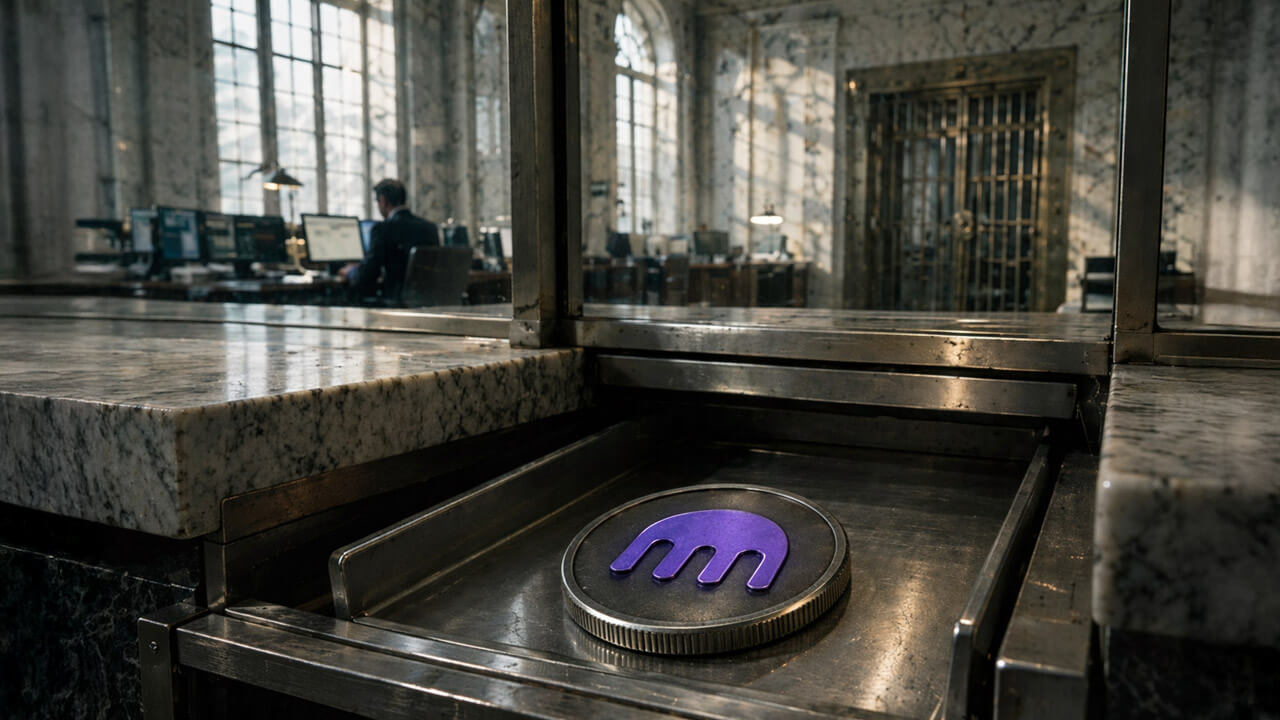
Cryptocurrency has long existed in a unique space, often viewed as an alternative to traditional finance rather than an integral part of it. For years, exchanges and investors have navigated a complex landscape where digital assets operate largely outside the purview of established financial institutions. However, recent developments suggest that this may be changing. As the cryptocurrency market matures, there are signs that it is poised to enter the U.S. banking system through unconventional means, rather than through direct regulatory pathways.
Regulatory Uncertainty: A Barrier to Entry
The relationship between cryptocurrency and regulation in the United States has been fraught with uncertainty. Despite the growing acceptance of digital assets, regulatory bodies have been slow to establish a coherent framework for their integration into the traditional banking system. This has left many cryptocurrency firms to operate in a legal gray area, relying on limited regulations that often leave them vulnerable to abrupt changes in policy.
As a result, many cryptocurrency exchanges and businesses have been hesitant to fully engage with traditional banks. The fear of regulatory repercussions and the lack of clarity regarding compliance requirements have made it difficult for these companies to foster strong relationships with financial institutions. This has perpetuated the notion that cryptocurrency exists on the fringes of finance, rather than as a legitimate asset class.
Innovative Solutions: Bridging the Gap
In light of ongoing regulatory challenges, some cryptocurrency firms are pursuing innovative solutions to bridge the gap between digital assets and traditional banking. One approach involves the development of partnerships with fintech companies that have already established relationships with banks. By leveraging existing infrastructure, these crypto firms can facilitate the movement of funds into and out of the traditional banking system without directly confronting regulatory hurdles.
These partnerships often involve the use of stablecoins, which are digital assets pegged to traditional currencies, such as the U.S. dollar. Stablecoins can provide a seamless mechanism for transferring value between the crypto and fiat worlds, allowing users to bypass traditional banking systems while still retaining the benefits of digital assets. This has led to a growing acceptance of stablecoins in various financial services, including payments, remittances, and even lending.
The Role of Decentralized Finance (DeFi)
Another significant development in the integration of cryptocurrency into the traditional banking system is the rise of decentralized finance (DeFi). DeFi platforms offer financial services such as lending, borrowing, and trading without the need for traditional banks. These platforms operate on blockchain technology, allowing users to transact directly with one another, often with lower fees and greater transparency.
As DeFi continues to gain traction, traditional financial institutions are beginning to take notice. Some banks are exploring ways to incorporate DeFi protocols into their own services, either by developing their own platforms or by partnering with existing projects. This shift could represent a significant turning point for the financial industry, as it begins to embrace the innovations brought forth by the DeFi movement.
Institutional Interest: A Catalyst for Change
The increasing interest from institutional investors in cryptocurrency has also played a pivotal role in its potential integration into the banking system. Major financial institutions, including hedge funds, asset managers, and even pension funds, are beginning to allocate a portion of their portfolios to digital assets. This influx of capital is not only legitimizing cryptocurrency in the eyes of the public but is also prompting traditional banks to reevaluate their stance on digital currencies.
As institutional players continue to enter the market, the demand for more robust financial products tied to cryptocurrency is rising. This includes everything from futures and options to exchange-traded funds (ETFs) based on digital assets. The development of these products is likely to incentivize banks to create services that cater to the burgeoning demand, effectively bringing cryptocurrency into the mainstream financial ecosystem.
Challenges Ahead: Security and Trust Issues
Despite the promising developments, significant challenges remain as cryptocurrency seeks to integrate into the U.S. banking system. Security concerns, particularly related to hacking and fraud, continue to plague the industry. High-profile breaches have resulted in significant losses for investors, undermining trust in the security of digital assets.
Moreover, the volatile nature of cryptocurrencies poses a challenge for traditional banks accustomed to dealing with stable assets. The fluctuating values of digital currencies can complicate risk assessment and management for financial institutions, making them wary of fully embracing cryptocurrency within their offerings.
The Future: A Hybrid Financial System?
Looking ahead, the potential for cryptocurrency to enter the U.S. banking system appears to be on the horizon, albeit through a backdoor rather than through direct regulation. As financial institutions adapt to the changing landscape, we may see the emergence of a hybrid financial system where traditional banking practices coexist with innovative cryptocurrency solutions.
This hybrid model could allow for greater flexibility and efficiency in financial transactions, enabling consumers to seamlessly transition between fiat and digital currencies. However, for this vision to be realized, ongoing dialogue between regulators, financial institutions, and cryptocurrency advocates will be essential. Establishing a regulatory framework that balances innovation with consumer protection will be crucial in fostering a safe and secure environment for all participants in the financial ecosystem.
Conclusion: Embracing Change in Financial Services
The integration of cryptocurrency into the U.S. banking system represents a significant shift in the landscape of finance. While regulatory uncertainty may hinder direct pathways, innovative approaches and partnerships are paving the way for a new era of financial services. As the industry evolves, the focus will likely shift from viewing cryptocurrency as a mere alternative to recognizing its potential as a fundamental component of the financial system.
In the coming years, it will be critical for stakeholders across the spectrum—regulators, banks, and cryptocurrency firms—to collaborate and create a framework that embraces the benefits of digital assets while ensuring the stability and security of the financial system. The future of finance may very well depend on this delicate balance.