


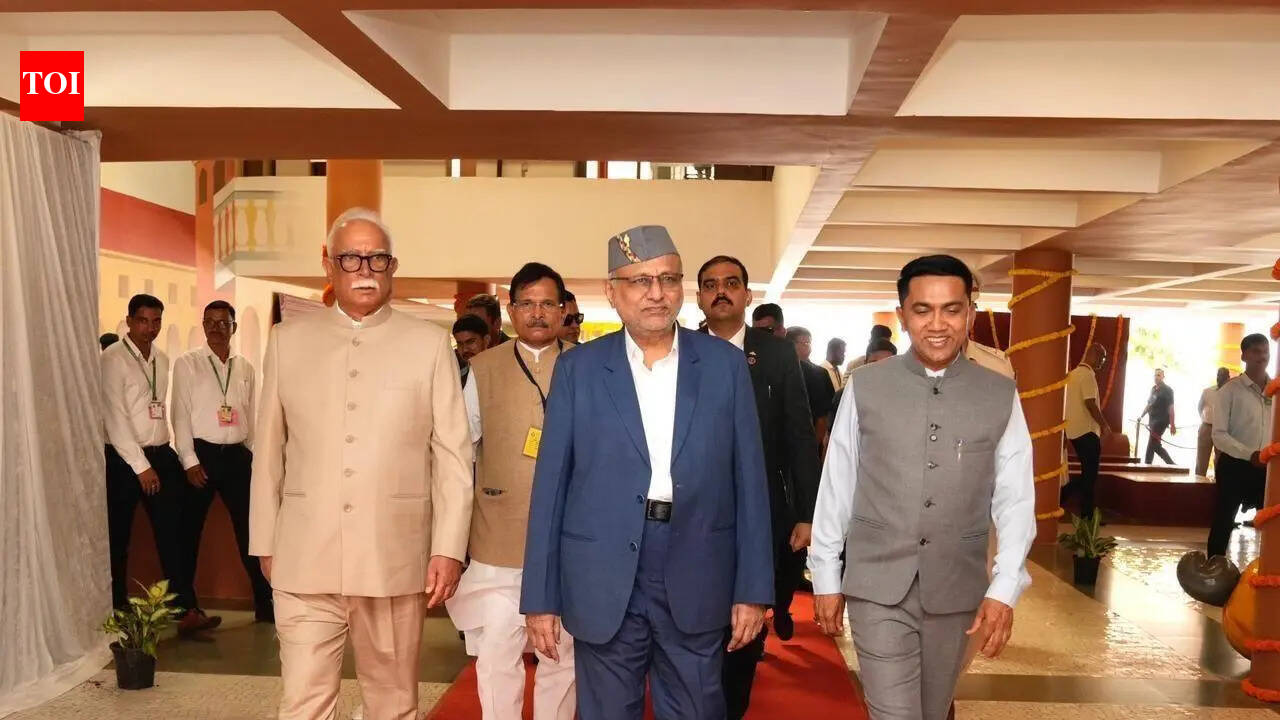
Celebrating Goa's 40th Statehood Day: A Call for Inclusive Development
On the occasion of Goa's 40th Statehood Day, Vice President C P Radhakrishnan delivered a poignant message emphasizing the importance of inclusivity in development. He articulated that true development cannot be achieved unless it encompasses all segments of society. This statement resonates deeply within the context of Goa's unique socio-economic landscape, where the interplay of tourism, fisheries, and local industries defines the region's economic identity.
Sustainable Coastal Development: The Path Forward
In his address, Radhakrishnan underscored the critical need for sustainable coastal development, particularly in a state renowned for its pristine beaches and vibrant marine life. He argued that any development initiative should carefully balance economic growth with environmental preservation. This sentiment echoes the increasing global focus on sustainable practices, particularly in coastal regions, where the impacts of climate change are most acutely felt.
The Vice President urged stakeholders, including local governments and private enterprises, to adopt a model of development that prioritizes environmental sustainability while fostering economic opportunities for all communities. By advocating for responsible tourism practices and sustainable fishing methods, Goa can position itself as a leader in the blue economy, which emphasizes the sustainable use of ocean resources for economic growth, improved livelihoods, and jobs while preserving the health of ocean ecosystems.
The Blue Economy: Opportunities and Challenges
The concept of the blue economy is particularly relevant to Goa, given its extensive coastline and rich marine biodiversity. As the state seeks to harness its oceanic resources, the challenge lies in ensuring that these economic activities do not compromise the ecological balance. Radhakrishnan's emphasis on inclusivity suggests that the benefits of such developments should extend beyond traditional stakeholders, including marginalized communities that depend on fishing and coastal resources for their livelihoods.
Incorporating local voices into the planning and implementation of blue economy initiatives is essential for achieving equitable growth. This approach not only enhances community buy-in but also ensures that development strategies are culturally sensitive and environmentally sound. The Vice President's call for inclusivity aligns with global best practices in sustainable development, where stakeholder engagement is a cornerstone of successful policy implementation.
Chief Minister Sawant’s Vision for Harmony and Common Civil Code
Complementing the Vice President's remarks, Chief Minister Pramod Sawant highlighted the importance of harmony among the diverse communities that inhabit Goa. He reiterated the necessity of a common civil code, which he believes will foster unity and equality among all citizens. This vision for social cohesion is crucial in a state characterized by a rich tapestry of cultures and traditions.
By advocating for a common civil code, the Chief Minister aims to simplify and unify legal frameworks governing personal laws across various communities. This move is expected to eliminate disparities and promote a sense of belonging among all citizens, thereby reinforcing the foundations of inclusive development. As Goa continues to evolve, such measures could serve as a catalyst for greater social integration and economic progress.
The Role of Private Sector in Driving Inclusive Growth
The private sector has a pivotal role to play in realizing the vision of inclusive development articulated by both Radhakrishnan and Sawant. Businesses operating in Goa, particularly those in tourism, real estate, and fisheries, must adopt corporate social responsibility (CSR) practices that emphasize community engagement and environmental stewardship. By investing in local communities and sustainable practices, companies can contribute to a more equitable distribution of wealth and resources.
Moreover, partnerships between government, businesses, and civil society can drive innovation and create new opportunities for growth. For instance, the promotion of eco-tourism can attract visitors while preserving the natural environment, benefiting both local communities and the broader economy. This collaborative approach can help mitigate the risks associated with unsustainable development while ensuring that the benefits of growth are shared widely.
Investment in Infrastructure and Human Capital
To support the vision of inclusive development, significant investments in infrastructure and human capital are essential. The government must prioritize projects that enhance connectivity and access to essential services, particularly in rural and underserved areas. Improved infrastructure can facilitate economic activities, attract investments, and ultimately bolster the overall quality of life for all residents.
Additionally, education and skill development initiatives are vital for empowering local populations to participate meaningfully in the economy. As Goa seeks to diversify its economic base beyond tourism, equipping individuals with the necessary skills will be crucial in fostering entrepreneurship and innovation. This investment in human capital can pave the way for a more resilient and inclusive economy.
Conclusion: A Collective Responsibility
The messages delivered during Goa's 40th Statehood Day serve as a reminder of the collective responsibility that all stakeholders share in shaping the future of the state. As Vice President Radhakrishnan and Chief Minister Sawant emphasized, development must be inclusive, sustainable, and equitable.
In a rapidly changing global landscape, Goa has the opportunity to redefine its development trajectory by embracing these principles. By prioritizing inclusivity, fostering sustainable practices, and investing in communities, the state can emerge as a model for others to follow. The journey ahead will require collaboration, innovation, and a steadfast commitment to the well-being of all citizens, ensuring that Goa remains not just a destination but a thriving community for generations to come.