


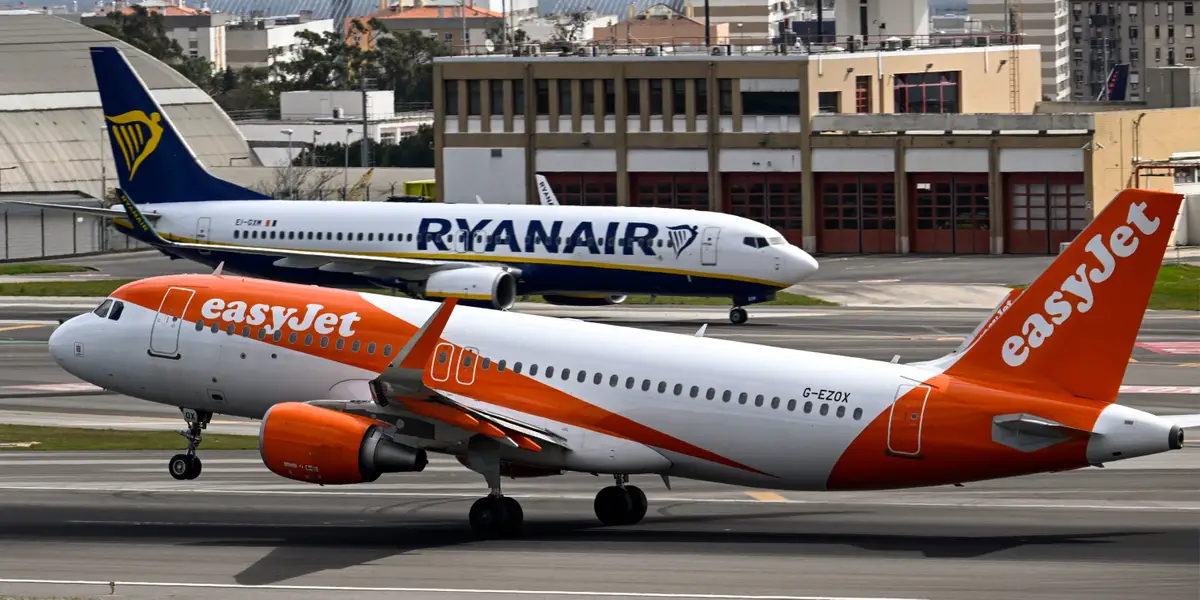
EasyJet Embraces Starlink Technology
In a significant move for the European aviation market, EasyJet has announced its partnership with SpaceX's Starlink to provide high-speed satellite internet on its flights. This decision follows a similar announcement from another low-cost carrier, Wizz Air, thereby positioning EasyJet among the leading budget airlines leveraging advanced technology to enhance customer experience. The integration of Starlink's satellite internet service is expected to not only augment passenger satisfaction but also redefine the competitive landscape among budget airlines in Europe.
The Competitive Landscape of Budget Airlines
EasyJet's decision to adopt Starlink's technology comes at a time when the airline industry is increasingly focused on improving in-flight services to attract and retain customers. With the rise of digital connectivity expectations, budget airlines are under pressure to enhance their service offerings. This move places EasyJet in direct competition with Ryanair, the largest budget airline in Europe, which has yet to announce similar advancements in in-flight connectivity. As customer preferences shift toward airlines that offer seamless internet access, Ryanair may find itself at a strategic disadvantage if it does not respond swiftly.
Ryanair's Market Dominance Under Threat
Ryanair has long held the top position in the European budget airline market, primarily due to its aggressive pricing strategies and extensive route network. However, the introduction of Starlink by EasyJet and Wizz Air could disrupt Ryanair's market dominance. As passengers increasingly prioritize in-flight connectivity, Ryanair's failure to innovate in this area could lead to a decline in customer loyalty. The airline may need to reassess its service model to remain competitive, especially as EasyJet highlights its commitment to enhancing the passenger experience.
The Financial Implications of Enhanced Connectivity
Investing in satellite internet technology like Starlink represents a considerable financial commitment for budget airlines, including EasyJet. However, the potential return on investment could be substantial. Enhanced connectivity can lead to increased passenger satisfaction, higher ticket sales, and the opportunity to monetize in-flight services. Airlines that successfully implement these technologies may also benefit from positive brand differentiation in a saturated market. EasyJet's strategic move may well resonate positively with investors looking for growth potential in the aviation sector.
Customer Experience: The New Frontier for Airlines
The integration of Starlink technology is part of a broader trend among airlines to enhance customer experience. With more travelers seeking reliable internet access during flights, airlines that fail to adapt risk losing market share. EasyJet's proactive approach to improving in-flight services could set a new standard for budget airlines, compelling competitors like Ryanair to elevate their offerings. This shift in focus from merely providing low-cost travel to delivering value-added services could redefine passenger expectations in the industry.
Technological Advancements in Aviation
The aviation industry has witnessed rapid technological advancements over the past few years, with airlines increasingly leveraging technology to streamline operations and enhance passenger experiences. The introduction of Starlink is a testament to how satellite technology can revolutionize in-flight connectivity. As more airlines adopt similar technologies, the competitive dynamics of the industry will inevitably shift, leading to a potential renaissance in customer service and operational efficiency.
Potential Challenges Ahead
While the benefits of adopting Starlink are evident, EasyJet and its competitors may encounter several challenges. The initial implementation costs, ongoing maintenance, and potential technical issues during service rollout could pose hurdles. Moreover, the airline will need to ensure that its existing infrastructure can support the new technology without compromising operational efficiency. Balancing these factors will be crucial as EasyJet aims to maintain its competitive edge while investing in innovative solutions.
The Broader Impact on the Aviation Market
EasyJet's partnership with Starlink is indicative of a larger trend within the aviation industry, where budget airlines are increasingly adopting technology to enhance their service offerings. As more carriers join the fray, the emphasis on connectivity will likely become a defining factor in consumer choice. The competitive pressure created by EasyJet's move may compel Ryanair and other budget carriers to innovate, leading to a more dynamic and customer-focused airline market.
Future Outlook for EasyJet and the Industry
Looking ahead, EasyJet's decision to install Starlink represents a pivotal moment for the airline. As it seeks to differentiate itself from competitors, the successful integration of advanced technology could position EasyJet as a leader in customer service within the budget airline sector. The broader implications of this move may also prompt a shift in industry standards, as airlines increasingly recognize the importance of enhancing passenger experiences through technology.
Conclusion: A New Era for Budget Airlines
EasyJet's embrace of Starlink technology marks a significant step toward redefining the budget airline experience. By prioritizing in-flight connectivity, EasyJet not only enhances its competitive position but also sets a precedent for other airlines in the sector. With customer expectations evolving, the pressure is now on Ryanair and other budget carriers to respond. The next few years will be crucial as the industry adapts to these changes and seeks to meet the demands of a more connected traveler.
Source: Open original source