


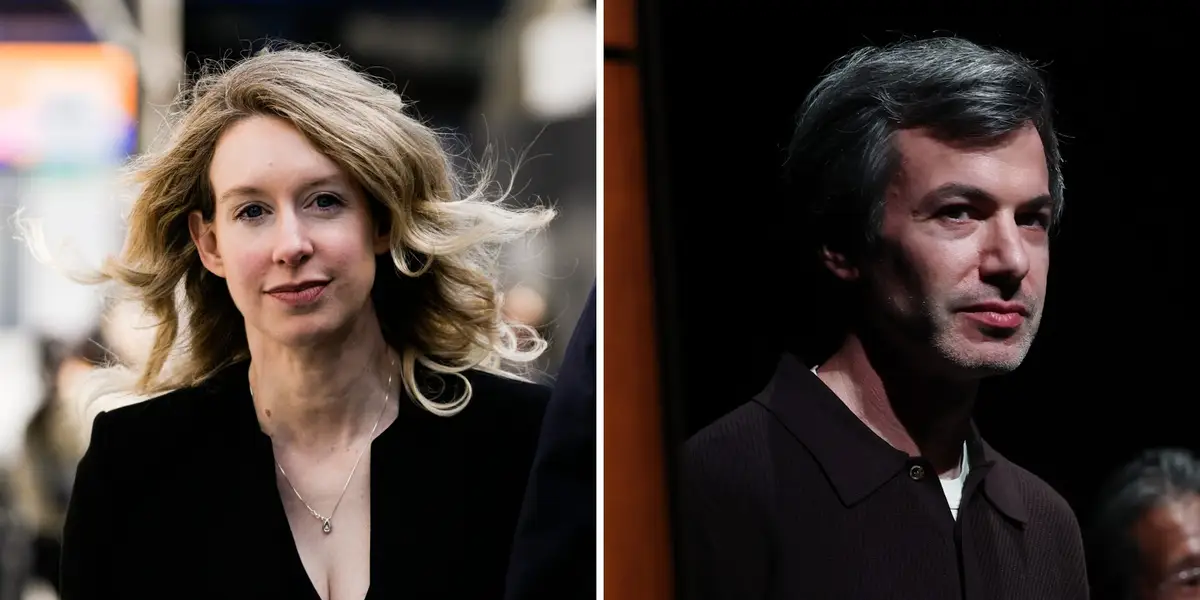
Introduction to the Elizabeth Holmes and Nathan Fielder Phenomenon
The recent wave of fascination surrounding Elizabeth Holmes and Nathan Fielder has taken an unexpected turn, culminating in a unique lookalike contest that drew crowds to Washington Square Park. This event, characterized by a sea of blonde buns, black blazers, and tiny headphones, reflects a broader cultural commentary on identity, celebrity, and the impact of media narratives. As the lines between reality and parody blur, the implications for business, finance, and market trends become increasingly significant.
The Rise of Elizabeth Holmes: A Cautionary Tale
Elizabeth Holmes, the former CEO of Theranos, emerged as a symbol of ambition and deception in the tech world. Once celebrated as a visionary entrepreneur, her downfall has been widely publicized, illuminating the risks associated with Silicon Valley's startup culture. Holmes’ story serves as a cautionary tale about the consequences of overpromising and underdelivering, particularly in a landscape where investor trust is paramount.
The financial ramifications of Holmes' saga extend beyond her personal fortunes. The fallout from Theranos has led to increased scrutiny of venture capital investments and the due diligence processes that back them. Investors are now more cautious, weighing the potential rewards against the risks of fraudulent practices. This skepticism has reverberated throughout the tech and biotech sectors, influencing funding strategies and investor behavior.
Nathan Fielder: The Intersection of Comedy and Commentary
On the other side of the cultural spectrum, Nathan Fielder has carved out a niche by blending comedy with social commentary. Known for his unconventional approach to television, Fielder’s work often highlights the absurdities of modern life, including the world of business. His unique style resonates with audiences, providing a humorous yet critical lens through which to view the entrepreneurial landscape.
Fielder's influence extends into the business realm by challenging conventional narratives and encouraging a more transparent approach to entrepreneurship. His brand of humor has the potential to shift public perception, making it crucial for businesses to adapt their messaging strategies in a landscape increasingly influenced by social media and viral trends.
The Lookalike Contest: A Cultural Commentary
The lookalike contest in Washington Square Park was not merely a whimsical gathering; it served as a microcosm of the current cultural climate. Participants donned Holmes' trademark black blazer and Fielder’s signature style, embodying the characters they idolize. This phenomenon raises questions about the nature of celebrity and the public's desire to engage with figures who represent both aspiration and caution.
From a business perspective, this event illustrates the power of branding and the ways in which public figures can shape consumer behavior. The contestants, through their mimicry, engaged in a form of brand loyalty that transcends traditional marketing. This dynamic has implications for how companies might leverage celebrity culture to enhance their visibility and connect with younger audiences.
The Economic Impact of Celebrity Culture
The intersection of celebrity and consumerism is not new, but the intensity of this recent mania signals a shift in how businesses must navigate their marketing strategies. The lookalike contest highlights the potential for brand engagement through experiential marketing, where consumers participate in the narrative rather than passively consume it. This shift could lead to new revenue streams for businesses that can capitalize on the current cultural zeitgeist.
Moreover, the phenomenon emphasizes the importance of authenticity in branding. As audiences become increasingly savvy, they seek genuine connections with the brands they support. Businesses that can align themselves with relatable figures or movements may find greater success in capturing market share, especially among younger demographics that prioritize authenticity over traditional advertising.
Investor Sentiment and Market Trends
The rise of Holmes and Fielder as cultural icons coincides with evolving investor sentiment in the tech and entertainment sectors. As the lines between media and business blur, investors are paying closer attention to how public figures influence market dynamics. The lookalike contest serves as a reminder that consumer behavior is often driven by emotional connections to personalities, which can significantly impact stock performance and brand equity.
For example, companies that align themselves with trending cultural phenomena might see a surge in interest and investment. Conversely, those that fail to adapt to the changing landscape may face challenges in maintaining relevance. This reality underscores the importance of agility in business strategy, as firms must navigate an increasingly complex and interconnected market environment.
The Future of Celebrity Influence in Business
As the lookalike contest illustrates, the fascination with figures like Elizabeth Holmes and Nathan Fielder is unlikely to wane anytime soon. Their stories, while distinct, resonate with broader themes of ambition, failure, and the pursuit of authenticity. Businesses must take note of this cultural shift and consider how they can harness the power of celebrity influence to drive engagement and growth.
The rise of social media platforms has further amplified the impact of celebrity culture, allowing for real-time interaction and engagement. Companies that successfully integrate these dynamics into their marketing strategies may find themselves at the forefront of consumer trends, capitalizing on the emotional connections that drive purchasing decisions.
Conclusion: Navigating the New Normal
The mania surrounding Elizabeth Holmes and Nathan Fielder, exemplified by the lookalike contest, reflects a larger societal trend that businesses cannot afford to ignore. As the lines between celebrity, authenticity, and consumer behavior continue to blur, companies must adapt their strategies to remain relevant in a rapidly changing landscape. The lessons learned from this cultural phenomenon may well shape the future of branding, marketing, and investment strategies in an increasingly interconnected world.
Source: Open original source