


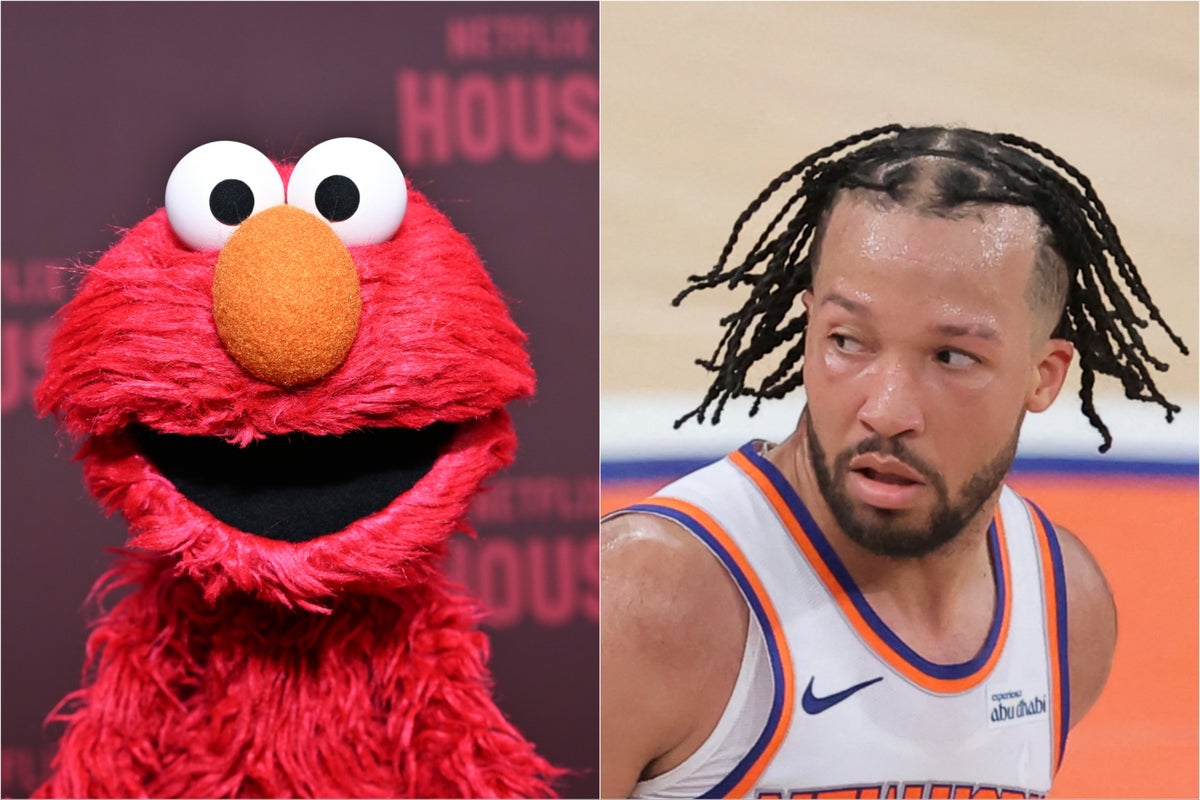
Elmo's Neutral Stance Draws Criticism from Knicks Fans
In a surprising turn of events, Elmo, the beloved character from the iconic children's television show "Sesame Street," has found himself at the center of controversy following a seemingly innocuous social media post regarding the NBA Finals. The character's neutral take on the championship series, which featured teams outside of New York, has drawn the ire of Knicks fans who feel betrayed by the character's lack of support for their home team. This incident highlights the intersection of pop culture and sports fandom, particularly in a city as passionate about basketball as New York.
The Backlash: A Fanbase Divided
The backlash from Knicks fans was swift and vocal. Social media platforms exploded with comments expressing disappointment in Elmo's stance, with many fans reminding the world that "Sesame Street" is canonically set in Manhattan. For many, Elmo represents not just childhood innocence but also a part of New York's cultural fabric. By failing to publicly support the Knicks during the Finals, Elmo's neutrality was perceived as a slight against the team and its loyal fanbase.
This reaction underscores the intense loyalty that sports teams can evoke, particularly in a city with a storied basketball history. The Knicks, despite years of underperformance, have a dedicated following that often views the team as a crucial part of their identity. Elmo’s perceived betrayal has thus sparked a broader discussion about the expectations placed on public figures and characters, especially those with ties to the local community.
Elmo's Role in New York's Cultural Landscape
Elmo, a character known for his kindness and curiosity, has been a fixture in children’s entertainment since the 1970s. His presence on "Sesame Street" has made him an endearing figure to generations of New Yorkers. The show itself has long served as a platform for education and social issues, often reflecting the diversity and vibrancy of the city it represents.
In this context, the character's neutral position during a high-stakes NBA Finals can be viewed as a departure from the expectations of his audience. Fans often look to cultural icons for support and solidarity during significant events, especially when those events resonate deeply within their community. Elmo's decision to remain neutral may have unintentionally alienated a segment of his fanbase, illustrating the complexities of celebrity in the modern age.
The Economic Impact of Fandom
The relationship between sports fandom and economic activity cannot be understated. In New York, the Knicks are more than just a basketball team; they are a significant contributor to the local economy. Game days bring in revenue through ticket sales, merchandise, and hospitality services, impacting local businesses in and around Madison Square Garden.
This economic dynamic amplifies the emotional stakes for fans. When a character like Elmo fails to show allegiance during a pivotal moment for the Knicks, it can feel like a personal affront, leading to potential boycotts of merchandise, or even a decline in viewership among fans who feel disillusioned. The ramifications of such sentiments can extend beyond emotional responses, potentially impacting local businesses reliant on the Knicks’ success.
Social Media's Role in Shaping Public Perception
The rapid spread of Elmo's neutral statement across social media platforms has highlighted the power of digital communication in shaping public perception. Fans took to Twitter, Instagram, and Facebook to express their outrage, often using humor and memes to convey their feelings. This phenomenon illustrates how quickly a character can become a focal point for broader social and cultural issues.
Moreover, the situation raises questions about the responsibilities of public figures and characters in the digital age. In a world where every statement is scrutinized and amplified online, the expectations for neutrality or support can create a minefield for those in the public eye. For Elmo, a character designed to promote kindness and understanding, navigating such complexities can be particularly challenging.
The Future of Elmo and Knicks Relations
As the dust settles from this incident, it remains to be seen how Elmo and "Sesame Street" will navigate their relationship with the Knicks fanbase moving forward. The character's neutrality may have sparked outrage, but it has also opened a dialogue about the importance of community engagement and representation in popular culture.
For the Knicks, this moment serves as a reminder of the fervent loyalty of their fans and the cultural significance of their franchise. As they continue their quest for an NBA championship, the team must also consider the broader implications of their brand and how it resonates with their community.
Conclusion: A Lesson in Community Engagement
The controversy surrounding Elmo and the Knicks illustrates the intricate relationship between pop culture, sports, and community identity. As a character rooted in New York's cultural landscape, Elmo's neutrality during a critical moment for the Knicks has prompted reflection on the expectations placed upon public figures. It serves as a reminder that in the world of sports, where loyalty and passion run deep, even a beloved children's character can find themselves entangled in the fervor of fandom.
Going forward, both Elmo and the Knicks have an opportunity to strengthen their ties to the community, ensuring that they remain relevant and beloved in the eyes of their audiences. As sports continue to evolve alongside societal changes, the importance of community engagement will only grow, shaping the narratives that define both teams and characters in the public consciousness.