


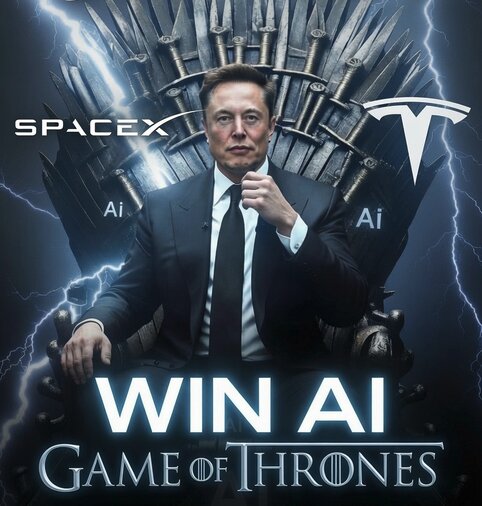
Introduction: The High Stakes of AI in the Energy Sector
As the race for artificial intelligence (AI) supremacy intensifies, Elon Musk finds himself at the epicenter of a transformative landscape that intertwines energy production and advanced technology. This week, both Tesla and SpaceX made significant strides in their respective domains, revealing that the battle for AI is not just about algorithms and data but also about the energy that powers these technologies. The urgency of these developments underscores the critical intersection of energy and AI, which could redefine the future of both companies.
The Energy Infrastructure Behind AI
Tesla's recent announcements regarding substantial investments in energy generation capabilities signal a strategic pivot that could bolster its AI initiatives. By adding gigawatts of energy production through solar and battery technology, Tesla is not only enhancing its energy portfolio but also positioning itself as a key player in the AI ecosystem. The company's advancements in battery technology and energy storage are pivotal for the scalability of AI applications, particularly in autonomous vehicle operations and smart city infrastructure.
SpaceX's Role in the AI Landscape
SpaceX, while primarily known for its aerospace innovations, is also making significant contributions to the AI arena. The company's satellite internet constellation, Starlink, offers unprecedented connectivity that could power AI applications across various sectors, including transportation, logistics, and telecommunication. As AI systems rely heavily on real-time data processing and cloud computing, the integration of SpaceX's satellite technology could provide a critical backbone for AI-driven solutions.
The Urgency of Integration: Tesla and SpaceX
The potential merger of Tesla and SpaceX is increasingly being discussed as a strategic necessity rather than a speculative venture. By combining their resources, expertise, and technologies, the two companies could create a formidable entity capable of harnessing the full potential of AI. The integration would allow for the seamless flow of energy and data, creating an ecosystem where electric vehicles, autonomous systems, and space technologies converge.
AI: The New Frontier for Billionaire Ambitions
The financial implications of winning the AI race are staggering, with estimates suggesting that the global AI market could reach trillions of dollars in the coming years. For billionaires like Musk, the stakes are not just about technological advancement; they are about securing a dominant position in a market that promises exponential growth. Investors are closely watching how Musk's strategies unfold, particularly in the context of energy consumption and sustainability.
Market Reactions to Tesla's Energy Initiatives
The market's reaction to Tesla's recent energy initiatives has been largely positive, reflecting investor confidence in the company's ability to innovate and adapt. Shares have shown resilience, driven by optimism surrounding Tesla's plans to scale energy production. As the demand for renewable energy sources continues to rise, Tesla's advancements in this area could further enhance its competitive edge in the automotive and AI sectors.
Challenges Ahead: Regulatory and Competitive Landscape
Despite the optimism surrounding Tesla and SpaceX, both companies face significant challenges. Regulatory hurdles in the energy sector and the competitive landscape of AI development could impede progress. As governments worldwide implement stricter regulations on energy consumption and emissions, Tesla must navigate these complexities while maintaining its growth trajectory. Meanwhile, in the AI sector, competition is fierce, with tech giants and startups alike vying for market share.
The Impact of AI on the Future of Transportation
The implications of AI on transportation extend far beyond autonomous vehicles. With Tesla's investments in energy infrastructure, the company is poised to revolutionize public transportation systems. By integrating AI with energy-efficient technologies, Tesla could facilitate the development of smart transit solutions that optimize routes, reduce emissions, and enhance user experience. This holistic approach to transportation could redefine urban mobility, making it more sustainable and efficient.
Investors’ Perspective: Betting on the Future
For investors, the intersection of energy and AI presents a unique opportunity to capitalize on emerging trends. Tesla and SpaceX are not just companies; they represent a broader shift towards sustainable technology solutions. As the demand for clean energy and advanced AI applications grows, investors are increasingly drawn to companies that are at the forefront of these transformations. This week’s developments have reinforced the notion that strategic investments in energy and AI can yield significant returns.
Conclusion: The Road Ahead for Musk and His Ventures
The urgency of the AI race, coupled with the need for robust energy solutions, places Elon Musk in a pivotal position. The next steps for Tesla and SpaceX will be crucial in determining their ability to lead in this rapidly evolving landscape. As both companies continue to innovate and expand their capabilities, their commitment to integrating AI with energy production will likely be a defining factor in their success. Investors and industry watchers alike will be keenly observing how these developments unfold in the coming weeks and months, as the battle for AI supremacy showcases the intricate relationship between energy and technology.