


Introduction to Carbon Capture and Storage
As the urgency to address climate change intensifies, carbon capture and storage (CCS) has emerged as a critical technology in the global effort to reduce greenhouse gas emissions. This innovative approach involves capturing carbon dioxide (CO2) emissions from industrial sources and securely storing them underground. With mounting regulatory pressures and a growing emphasis on sustainable practices, industries are increasingly looking toward CCS solutions to meet environmental targets and enhance their corporate responsibility.
Offshore CO2 Injection: A Viable Solution
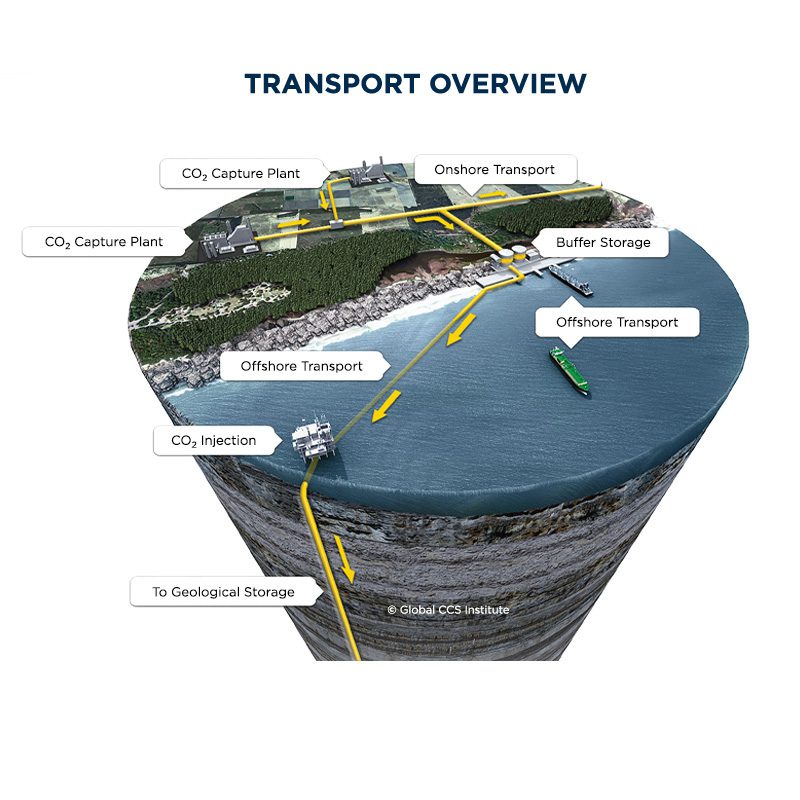
Among the various methods of carbon storage, offshore CO2 injection presents a compelling option. This technique involves transporting captured CO2 to offshore facilities where it is injected deep into geological formations beneath the seabed. The primary advantage of offshore injection lies in the vast capacity of underground reservoirs, which can accommodate significant volumes of CO2, thus providing a long-term storage solution. Moreover, offshore sites are often located near major industrial hubs, facilitating the transport of captured emissions and reducing the overall carbon footprint of the logistics involved.
Market Dynamics Driving Offshore CCS Development
The development of offshore CO2 injection facilities is being driven by several market dynamics. First, the increasing cost of carbon emissions, fueled by stricter regulations and carbon pricing mechanisms, has incentivized companies to invest in CCS technologies. Second, advancements in geological research and drilling technologies have made it feasible to identify and utilize offshore reservoirs for CO2 storage. As a result, energy companies and industrial operators are now more willing to explore partnerships with technology providers to develop these facilities.
Financial Implications for Energy and Industrial Sectors
The financial landscape surrounding CCS, particularly offshore storage, is evolving. Companies are recognizing that investing in carbon capture technologies can not only help mitigate regulatory risks but also enhance their competitive advantage. By adopting CCS, firms can potentially lower their carbon tax liabilities and improve their environmental, social, and governance (ESG) ratings, which are increasingly becoming critical factors for investors. Furthermore, government incentives and subsidies aimed at promoting clean technologies are further bolstering the financial viability of offshore CO2 injection projects.
Challenges and Considerations in Implementation
Despite the potential benefits, the implementation of offshore CO2 injection facilities is not without challenges. One significant hurdle is the high initial capital expenditure required for the development and operation of these facilities. Additionally, regulatory uncertainties and the need for comprehensive environmental assessments can prolong project timelines and increase costs. Stakeholder engagement is also crucial, as local communities and environmental groups may have concerns regarding the safety and ecological impact of CO2 injection practices.
The Future of Offshore CO2 Injection Facilities
Looking ahead, the role of offshore CO2 injection and storage facilities is likely to expand as more companies commit to achieving net-zero emissions by mid-century. As technological advancements continue to improve the efficiency and safety of these systems, they will play an increasingly important role in global efforts to combat climate change. The collaboration between governments, private industry, and research institutions will be essential in overcoming existing challenges and unlocking the full potential of offshore