


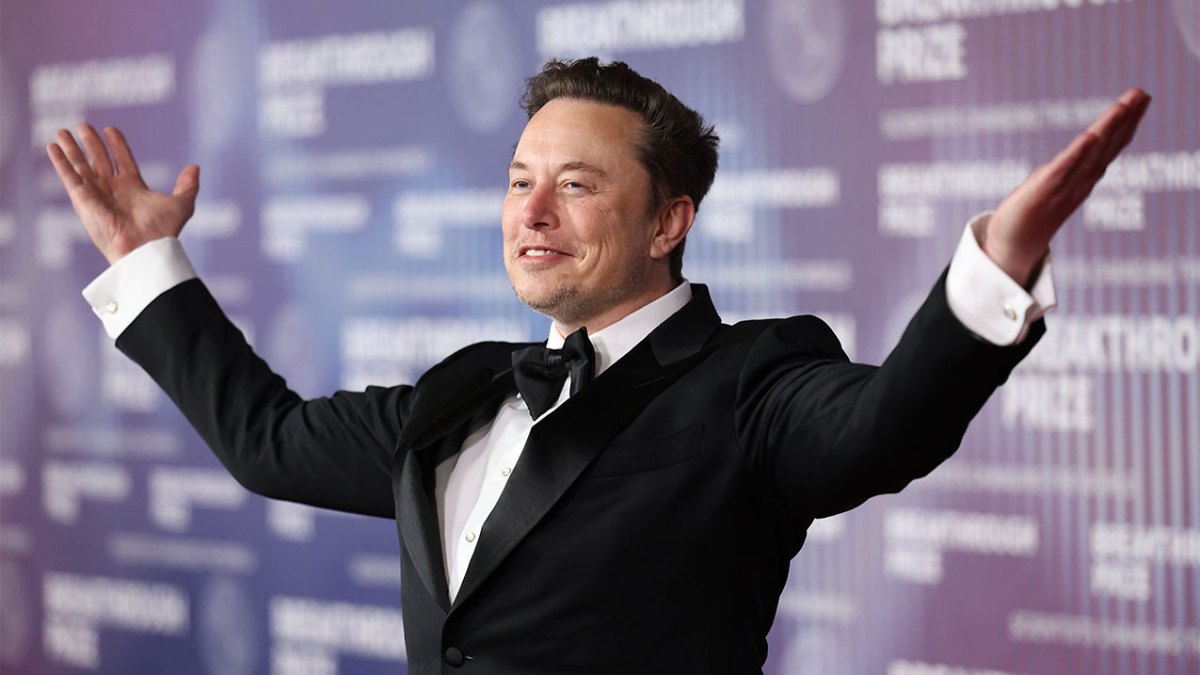
Introduction to Musk's Dominance at SpaceX
Elon Musk's influence over SpaceX is set to reach unprecedented levels as the company prepares for its transition into a publicly-traded entity. With regulatory filings revealing that Musk will retain more than 50% of the voting power, this development raises significant questions about corporate governance, founder control, and the implications for investors. Unlike many tech founders who have historically maintained a degree of influence, Musk's grip on SpaceX resembles a monarchical structure that could redefine the dynamics of public companies.
The Structure of Power: Voting Rights Explained
The governance structure of publicly traded companies typically allows for a distribution of power among shareholders, with voting rights allocated based on the number of shares owned. However, Musk's arrangement at SpaceX diverges from this norm. By holding a majority of voting rights, Musk effectively positions himself as the ultimate decision-maker. This level of control is not only rare in the tech industry but also raises potential concerns about accountability and transparency in corporate decision-making.
Comparative Analysis: Musk vs. Other Tech Founders
When examining other prominent tech founders, such as Mark Zuckerberg of Meta Platforms and Larry Page of Alphabet Inc., it becomes evident that while they too have maintained substantial control through dual-class share structures, Musk's situation is distinct. Zuckerberg, for example, commands significant influence but does not hold an outright majority of voting power. Musk's situation allows him to unilaterally steer SpaceX's corporate strategy, potentially sidelining shareholder interests in favor of his vision for the company.
The Implications for Investors
For investors, Musk's overwhelming control over SpaceX presents both opportunities and risks. On one hand, Musk's proven track record of innovation and success in the aerospace and technology sectors could translate into robust growth for the company. On the other hand, the lack of checks and balances inherent in a monarchical governance structure may heighten concerns about decision-making processes and long-term sustainability. Investors will need to weigh the potential for high returns against the risks associated with concentrated power.
Market Reactions and Investor Sentiment
As news of Musk's voting power has emerged, market reactions have been mixed. Some analysts posit that Musk's leadership could attract a wave of investor interest, driven by his reputation as a visionary and disruptor. Others, however, caution that the governance structure could deter institutional investors who typically prefer companies with more balanced power dynamics. The upcoming public offering will likely serve as a litmus test for how the market perceives Musk's control and its implications for SpaceX's future.
Future Prospects: Growth and Expansion
SpaceX has positioned itself as a leader in the aerospace industry, with ambitious plans for expansion, including the Starship program and ongoing contracts with NASA. Musk's concentrated control may enable swift decision-making and the ability to pivot strategies in response to market demands. However, this approach also raises concerns about the long-term viability of such a model, particularly as the company scales and faces increasing competition. The future trajectory of SpaceX will depend largely on how Musk balances his vision with the interests of investors and stakeholders.
Corporate Governance: The Need for Balance
The unique governance structure at SpaceX underscores a broader conversation about the need for balance in corporate governance. As companies grow and evolve, the challenge lies in ensuring that decision-making processes remain transparent and accountable, particularly in cases where founders exert significant control. Investors and regulators alike may call for reforms that promote greater oversight, even in companies led by charismatic leaders like Musk.
The Role of Regulatory Bodies
Regulatory bodies will play a crucial role in overseeing the transition of SpaceX into a public company. Scrutiny from organizations such as the Securities and Exchange Commission (SEC) will be essential in ensuring that Musk's control does not lead to potential abuses of power. As the public offering approaches, stakeholders will be watching closely to see how regulatory frameworks adapt to accommodate evolving corporate governance models.
Comparative Case Studies: Lessons from Other Industries
To understand the potential pitfalls and benefits of a monarchical governance structure, it is instructive to examine other industries. For instance, companies in the media sector, such as News Corp, have experienced challenges stemming from concentrated ownership. In contrast, firms like Berkshire Hathaway have thrived under a model that emphasizes decentralized decision-making while still allowing for strong leadership. These case studies may offer valuable insights for SpaceX as it navigates its public offering.
Conclusion: The Future of SpaceX Under Musk's Rule
As SpaceX prepares for its public debut, Elon Musk's monarchical grip over the company will undoubtedly shape its trajectory. While his visionary leadership holds the potential for unprecedented innovation and growth, the implications of such concentrated power cannot be overlooked. Investors, regulators, and industry observers will be keenly focused on how Musk manages this balance and what it means for the future of SpaceX. Ultimately, the company's success may hinge not just on Musk's vision, but on how effectively he can incorporate the interests of a diverse array of stakeholders in his decision-making processes.