


Introduction to the Mini Nuclear Reactor Initiative
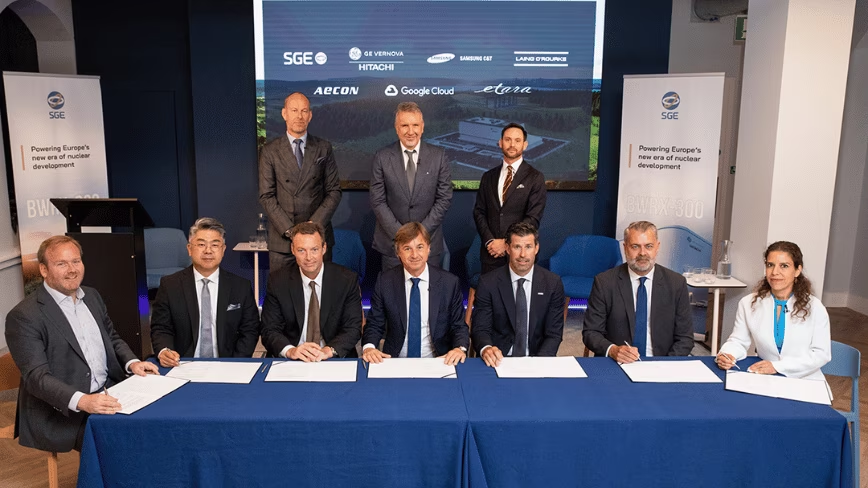
In a significant move aimed at transforming the UK's energy landscape, Polish billionaire Michał Sołowow has announced a £35 billion plan to deploy a fleet of 14 mini nuclear reactors across the country. This initiative, spearheaded by Sołowow's firm, SGE, seeks to harness innovative nuclear technology to address the UK's growing energy demands while contributing to its climate goals. The proposed installation of GE Vernova Hitachi BWRX-300 reactors at three strategic sites is poised to reshape the conversation around energy security and sustainability in the UK.
Understanding the BWRX-300 Technology
The BWRX-300 is a small modular reactor (SMR) designed to generate up to 300 megawatts of electricity, making it suitable for a variety of applications, including grid support and industrial energy needs. This compact reactor employs advanced safety features and utilizes a simplified design to reduce construction costs and timelines significantly. By deploying multiple units, the project aims to provide a scalable solution to the UK's energy challenges while minimizing the environmental impact associated with traditional energy sources.
Strategic Locations for Reactor Deployment
SGE has identified three potential sites for the installation of the BWRX-300 reactors, although specific locations have yet to be disclosed. The selection of these sites will be critical, as they must not only meet regulatory requirements but also ensure community acceptance and integration into existing energy infrastructure. Proximity to existing power grids and water sources for cooling will also play a crucial role in site selection, underscoring the importance of a well-planned approach to energy deployment.
Economic Implications of the Initiative
The £35 billion investment represents a substantial commitment to the UK’s energy sector, with potential ripple effects across the economy. The construction and operation of these mini reactors are expected to create thousands of jobs, ranging from engineering and construction to operations and maintenance. Moreover, the initiative could stimulate local economies, particularly in regions where the reactors will be built, providing a much-needed boost to communities that have historically relied on traditional industries.
Impact on Energy Security and Sustainability
As the UK continues to phase out coal and reduce its reliance on fossil fuels, the introduction of small modular reactors could play a pivotal role in enhancing energy security. The BWRX-300's capacity to provide reliable, low-carbon energy aligns with the UK government's commitment to achieving net-zero carbon emissions by 2050. By diversifying its energy sources, the UK can reduce its vulnerability to external energy shocks and fluctuations in fossil fuel prices, thereby reinforcing national security.
Public Perception and Regulatory Challenges
While the technological advancements in nuclear energy present a promising avenue for sustainable energy, public perception remains a significant hurdle. Historically, nuclear energy has faced skepticism due to safety concerns and the legacy of past incidents. Gaining public trust will require transparent communication and community engagement throughout the project lifecycle. Additionally, navigating the regulatory landscape will be essential, as the approval process for nuclear projects can be lengthy and complex, involving multiple stakeholders and extensive safety assessments.
Comparative Analysis with Global Nuclear Trends
The UK’s initiative is part of a broader global trend towards the adoption of small modular reactors. Countries such as Canada, the United States, and China are also investing in SMR technology as a means to achieve energy transition goals. The flexibility and scalability of SMRs offer an attractive proposition for nations looking to modernize their energy infrastructure while addressing climate change. The UK's move could position it as a leader in the SMR market, attracting investment and fostering innovation in nuclear technology.
Potential Challenges Ahead
Despite the promising outlook, the path forward is fraught with challenges. The initial capital investment of £35 billion is substantial, and securing financing will be critical. Investors will need to be convinced of the long-term viability and profitability of the project, particularly in light of the evolving energy market dynamics. Additionally, as the project unfolds, SGE will need to manage construction risks, technological uncertainties, and potential delays, all of which could impact the project timeline and budget.
Long-Term Vision for the UK Energy Landscape
The deployment of mini nuclear reactors represents a significant step in the UK’s long-term energy strategy. As the country grapples with the dual challenges of energy security and climate change, innovative solutions like the BWRX-300 could provide a pathway towards a more resilient and sustainable energy future. By investing in cutting-edge technology, the UK can position itself at the forefront of the global energy transition, leveraging its expertise in nuclear energy to foster economic growth and environmental stewardship.
Conclusion: A Bold Step Forward
Michał Sołowow’s £35 billion plan to introduce 14 mini nuclear reactors in the UK marks a bold step forward in the nation’s quest for a sustainable energy future. With the potential to bolster energy security, create jobs, and contribute to climate goals, the initiative embodies the transformative power of innovative technology in addressing some of the most pressing challenges of our time. As the project progresses, it will be essential to monitor its impact on the energy landscape and its reception among the public and stakeholders alike, ensuring that the benefits of this investment are realized for generations to come.