


Introduction: The Growing Divide in Heat-Related Mortality
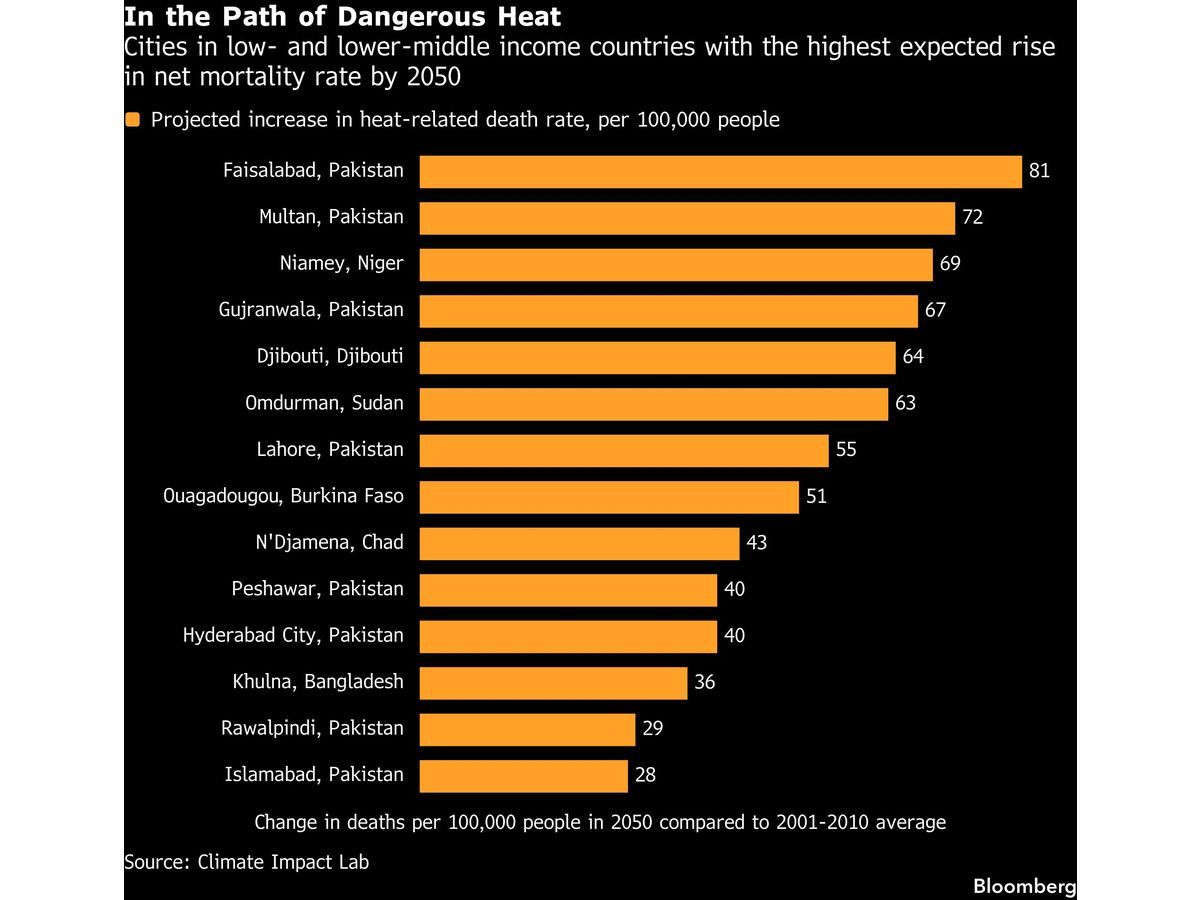
As climate change continues to escalate, the disparity between high-income and low-income countries regarding heat-related health risks has become increasingly pronounced. Recent research indicates that lower-income nations could experience up to ten times the number of heat-related deaths compared to their wealthier counterparts. This stark contrast raises pressing questions about global health equity, economic vulnerability, and the future of climate resilience.
The Economic Implications of Rising Temperatures
The financial ramifications of rising temperatures are profound, particularly for lower-income countries that often lack the infrastructure and resources necessary to mitigate heat-related risks. These nations face mounting pressures on their healthcare systems, agricultural productivity, and labor markets as extreme heat events become more frequent and severe. The economic burden of heat-related illnesses can stifle growth, hinder development, and exacerbate existing inequalities.
Understanding the Metrics of Heat-Related Deaths
Researchers estimate that heat-related deaths will disproportionately affect populations in regions already grappling with a myriad of health challenges. Factors such as limited access to healthcare, inadequate housing, and a lack of public health infrastructure contribute to the vulnerability of lower-income nations. In contrast, wealthier countries generally have more resources to invest in climate adaptation strategies, such as improved urban planning, public health initiatives, and technological advancements.
Vulnerability of Agricultural Economies
Many lower-income nations rely heavily on agriculture, which is particularly susceptible to temperature increases. Heat stress can significantly reduce crop yields, leading to food insecurity and economic instability. As agricultural productivity declines, the potential for increased poverty and malnutrition rises, creating a vicious cycle that is difficult to break. This situation is exacerbated by the fact that poorer countries often have limited capacity to invest in agricultural adaptation technologies, making them more susceptible to the impacts of climate change.
Healthcare Systems Under Strain
The healthcare systems in lower-income countries are often ill-equipped to handle the increasing burden of heat-related illnesses. With limited resources, these nations may struggle to provide adequate medical care during heatwaves, resulting in higher mortality rates. In contrast, wealthier countries typically have more robust healthcare infrastructures, allowing them to better respond to extreme weather events and protect vulnerable populations.
Investment in Climate Resilience: A Necessity
To address the disparities in heat-related mortality, significant investment in climate resilience is essential. Lower-income nations require targeted financial support and technology transfer from wealthier countries to develop adaptive measures that can mitigate the impacts of extreme heat. This includes improving urban infrastructure, enhancing public health systems, and implementing sustainable agricultural practices that can withstand higher temperatures.
The Role of International Cooperation
International cooperation will be critical to addressing the challenges posed by climate change. Wealthier nations must recognize their responsibility to assist lower-income countries in building resilience against extreme heat. This support could take the form of climate finance, technology sharing, and collaborative research initiatives aimed at understanding and mitigating the impacts of rising temperatures.