


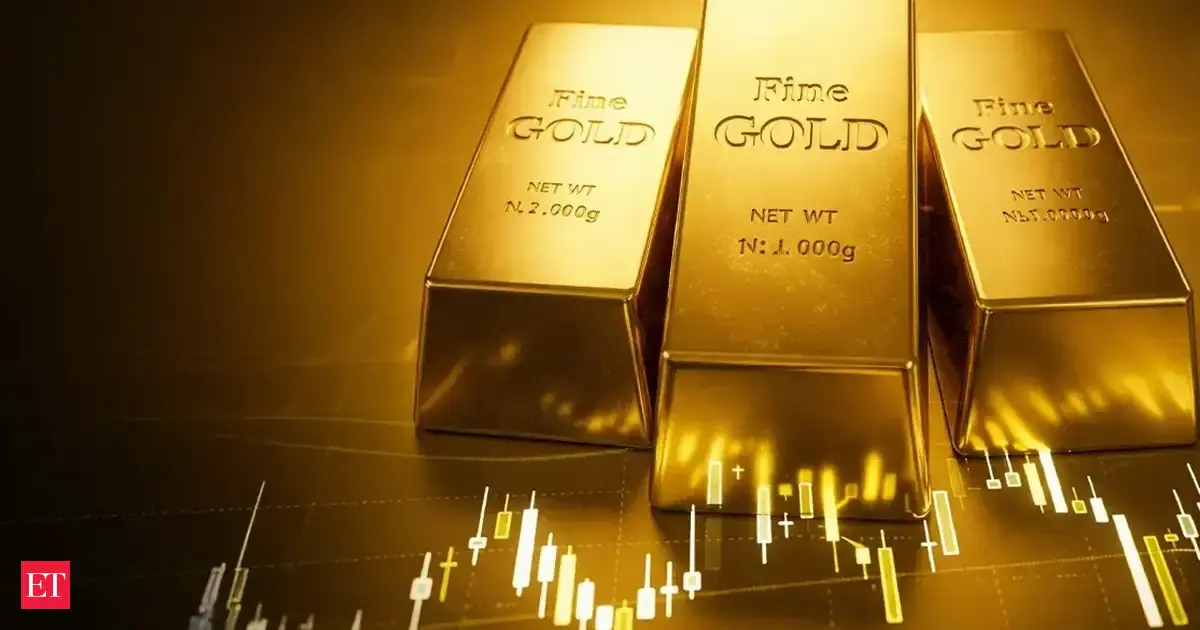
Current Trends in Gold Prices
As 2023 progresses, gold prices have demonstrated significant volatility, raising questions about the future trajectory of this traditionally safe-haven asset. After peaking in early 2023, the gold market has faced downward pressure driven by a combination of factors, including rising interest rates and a strengthening U.S. dollar. Analysts are closely monitoring these developments, as they could indicate whether the recent downturn is a temporary setback or the beginning of a more prolonged decline.
Central Bank Purchases and Market Sentiment
Despite the recent price fluctuations, central banks globally have been increasing their gold reserves at an unprecedented rate. This trend reflects a strategic move to diversify assets amid geopolitical tensions and economic uncertainties. In particular, countries such as China and Russia have ramped up their gold purchases, aiming to bolster their financial stability and reduce reliance on the U.S. dollar. Such actions may support gold prices in the long term, as heightened demand from these institutions could counteract bearish market sentiment.
Interest Rates and Inflation Pressures
The Federal Reserve's monetary policy remains a key driver of gold prices. As the central bank continues to raise interest rates to combat inflation, the opportunity cost of holding non-yielding assets like gold increases. Higher interest rates typically strengthen the dollar, making gold more expensive for foreign buyers and further pressuring prices. However, some analysts argue that persistent inflation could eventually lead to a resurgence in gold demand, as investors seek a hedge against eroding purchasing power.
Expert Opinions on Future Price Movements
Market experts are divided in their predictions for gold prices in the coming months. Some analysts suggest that the current downtrend could continue, particularly if economic indicators show sustained growth and the Fed maintains its tightening stance. Conversely, others believe that a potential economic slowdown or unexpected geopolitical events could lead to a rebound in gold prices, as investors flock back to the asset in search of safety.
Investing Strategies Amidst Uncertainty
For investors navigating this uncertain landscape, diversification remains a prudent strategy. While gold has historically been viewed as a safe haven, the current market dynamics necessitate a balanced approach. Experts recommend considering a mix of assets, including equities and bonds, alongside gold to mitigate risks associated with price volatility. Furthermore, investors should stay informed about central bank policies and global economic indicators, as these factors will continue to influence market sentiment and gold prices.
Long-Term Outlook: Cautious Optimism or Continued Decline?
The outlook for gold prices remains complex, with a multitude of factors at play. While the rapid accumulation of gold by central banks could provide a floor for prices, the impact of rising interest rates and inflationary pressures cannot be overlooked. Investors and analysts alike will be closely watching market developments as they attempt to discern whether the current price trends signal a temporary decline or a more sustained downturn. Ultimately, the interplay between economic conditions and investor sentiment will shape the future of gold as an investment asset.