


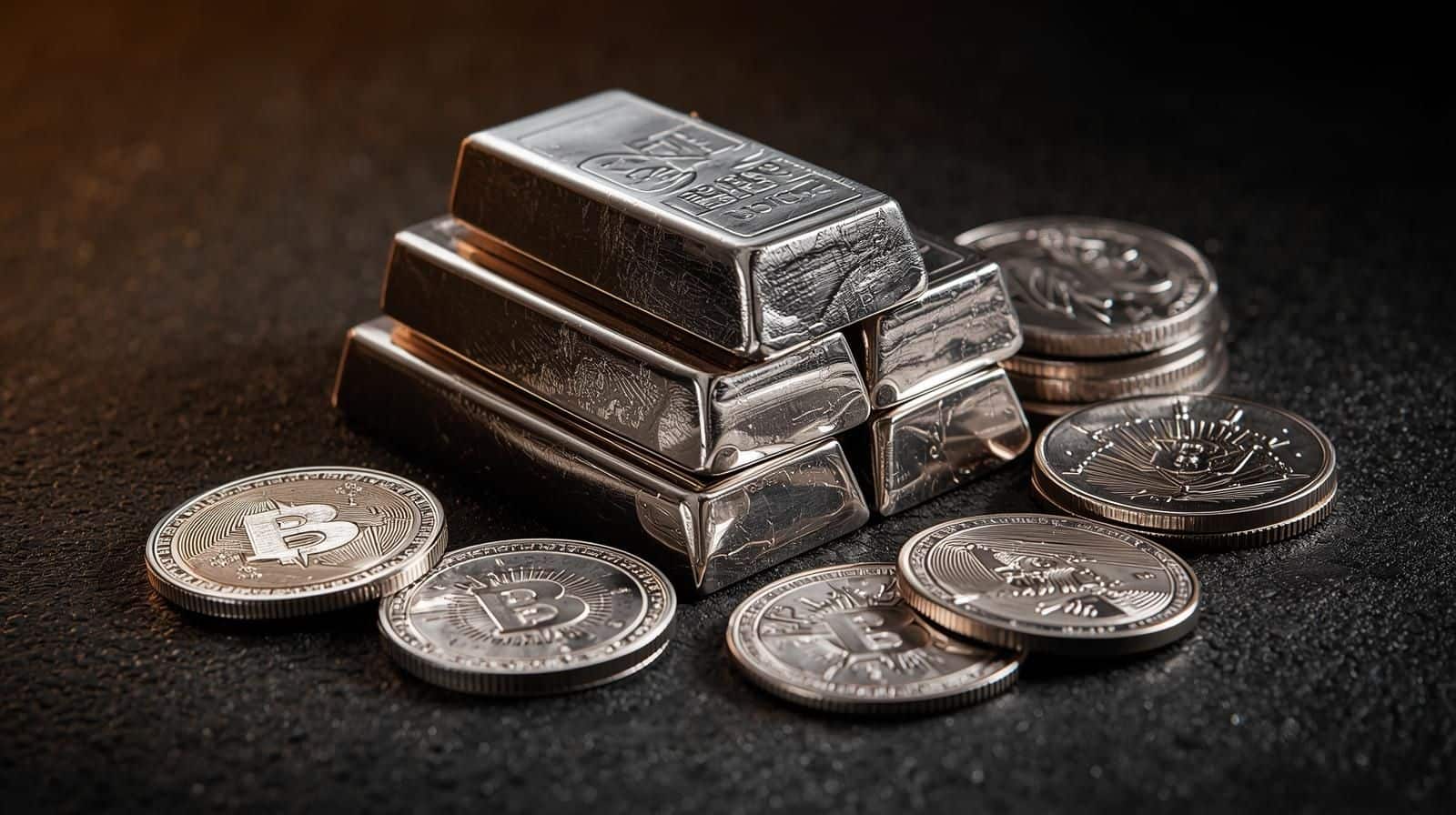
Market Overview: A Sudden Decline in Precious Metals
In a striking turn of events, gold and silver prices have experienced a significant downturn following their recent record highs. After months of steady growth driven by geopolitical tensions and inflationary pressures, both metals have seen sharp corrections. The decline raises pressing questions for investors: Is this a temporary dip or the beginning of a longer-term downward trend? Should investors consider buying the dip, or is it wiser to remain on the sidelines?
Factors Behind the Recent Surge
The recent highs in gold and silver prices can be attributed to a combination of factors. For gold, its traditional role as a safe-haven asset during times of economic uncertainty has been pivotal. Investors flocked to gold as a hedge against inflation and currency devaluation, pushing prices to historic levels. Silver, on the other hand, has seen its price surge not only due to safe-haven demand but also due to its increasing industrial applications, particularly in technology and renewable energy sectors.
The Impact of Market Corrections
As markets adjust, the recent crash has led to widespread speculation about the future trajectory of these precious metals. Gold, which reached nearly $2,100 an ounce, has fallen back to around $1,800. Similarly, silver has retreated from its highs above $30 per ounce, currently trading closer to $22. This volatility can be unsettling for investors who have built substantial positions in these assets. The question now is whether this dip presents a buying opportunity or if it signals deeper issues within the market.
Investor Sentiment: Buy the Dip or Stay Cautious?
Investor sentiment is divided. Proponents of buying the dip argue that the fundamentals supporting gold and silver remain intact. They point to ongoing global uncertainties, including supply chain disruptions and inflationary pressures, which could lead to renewed interest in these metals. Moreover, the industrial demand for silver, particularly in green technologies like solar panels and electric vehicles, could bolster its price in the long term.
Conversely, skeptics advise caution. They highlight that recent price corrections could be indicative of a broader market trend, especially if economic conditions improve and interest rates rise. Higher interest rates typically diminish the appeal of non-yielding assets like gold and silver, potentially leading to further declines. Investors are urged to assess their risk tolerance and investment horizon before making any decisions.
Long-Term Outlook: Navigating the Precious Metals Landscape
Looking ahead, the outlook for gold and silver will largely depend on macroeconomic indicators and investor behavior. If inflation continues to rise or geopolitical tensions escalate, demand for these metals may rebound. However, if economic recovery gains momentum and central banks tighten monetary policy, the current correction could extend further.
Ultimately, whether investors choose to buy the dip or remain cautious will depend on their individual investment strategies and market outlooks. As always, diversification and careful analysis will be key in navigating the volatile landscape of precious metals.