


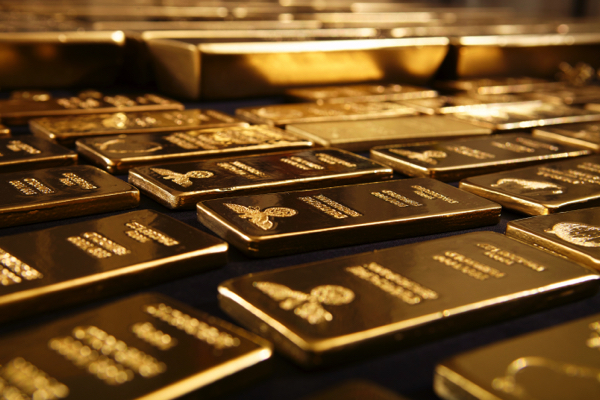
Gold's Historic Surge Amid Economic Uncertainty
In a remarkable turn of events, gold prices have surged past the $5,000 per ounce mark, reflecting a significant shift in investor sentiment as concerns about inflation and economic stability continue to mount. This unprecedented rise in gold prices has been accompanied by a notable increase in silver, which has reached $83 per ounce. The movement towards these traditional safe-haven assets signals a broader trend of investors seeking refuge in tangible assets amid growing uncertainty in global financial markets.
Impact of Inflation and Central Bank Policies
The surge in gold and silver prices can be attributed, in part, to the aggressive monetary policies adopted by central banks around the world. As central banks continue to print money at an alarming rate, inflationary pressures have begun to erode the purchasing power of fiat currencies. Investors, wary of the long-term viability of these currencies, are increasingly turning to gold and silver as a hedge against inflation and economic instability. This trend suggests that many are losing faith in the effectiveness of traditional monetary policy to stabilize economies.
Shift from Cryptocurrencies to Precious Metals
The recent upheaval in the cryptocurrency market has further accelerated the flight to gold. With several high-profile failures and increasing regulatory scrutiny, many investors are reassessing their portfolios and seeking more stable and reliable assets. The volatility that has characterized the crypto space has led to a growing perception that cryptocurrencies may not provide the safe haven that many had anticipated. As a result, gold and silver are being viewed as more dependable stores of value, attracting a wave of capital from those fleeing the turbulence of digital currencies.
Geopolitical Factors Driving Demand
Geopolitical tensions are also playing a significant role in the rising demand for gold. Nations such as China and Russia, along with members of the BRICS coalition, have been stockpiling gold in an effort to reduce their reliance on the U.S. dollar. This strategic accumulation of gold reflects a desire among these countries to establish a more multipolar financial system and to protect themselves against potential economic sanctions or fluctuations in the dollar's value. As these nations increase their gold reserves, the overall demand in the market is likely to intensify, further driving up prices.
The Future of Gold and Silver Markets
As gold continues to climb to unprecedented levels, market analysts are closely monitoring the implications for both precious metals and the broader financial landscape. The current trajectory suggests that gold may solidify its status as a primary asset class for risk-averse investors. Furthermore, if inflation persists and central banks maintain their accommodative policies, the potential for further price increases in gold and silver remains high. Investors are advised to remain vigilant as the dynamics of the market evolve, with the possibility that these precious metals could become increasingly central to global investment strategies in the coming years.