


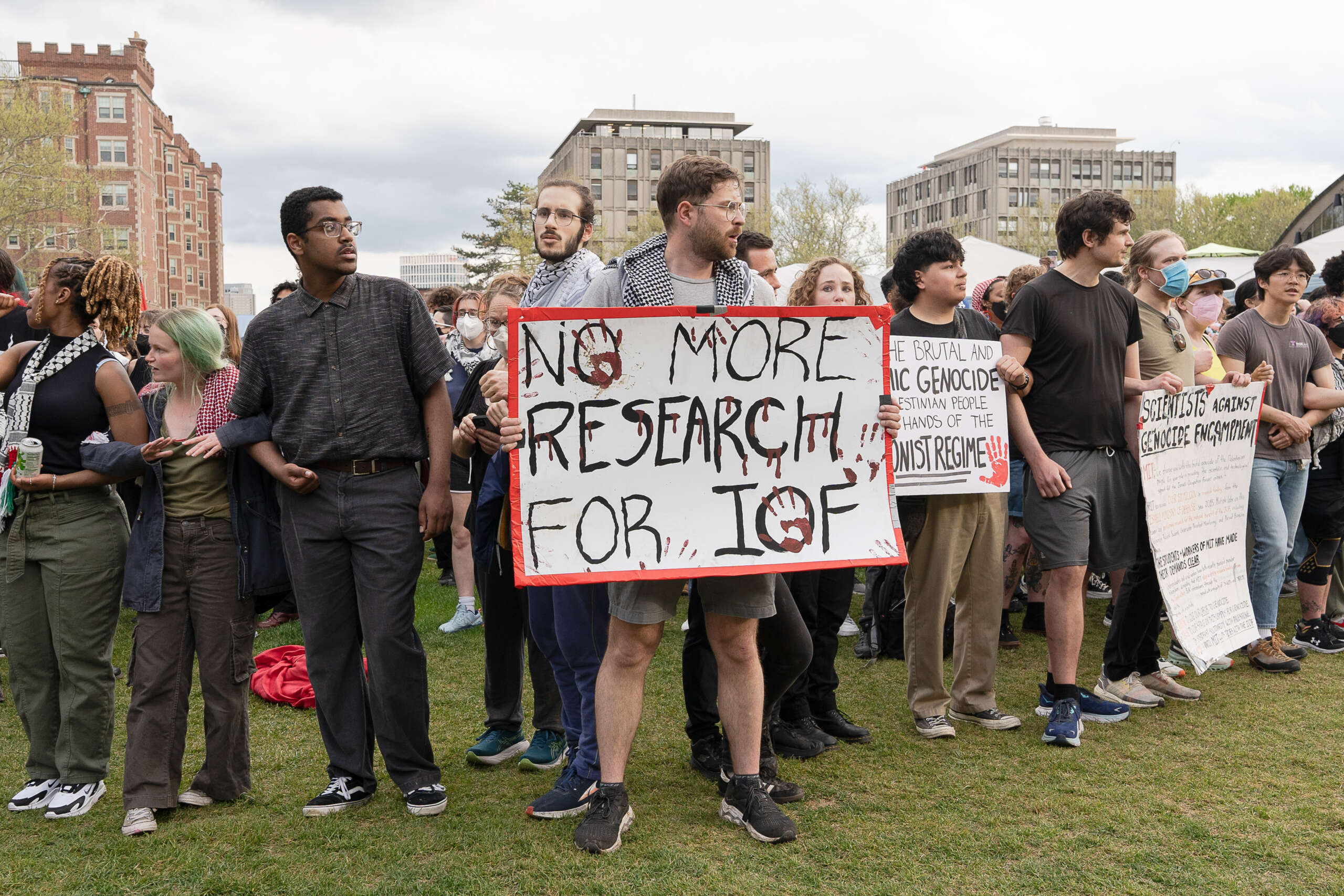
The Evolving Role of Higher Education in a Militarized Society
The landscape of higher education has been undergoing significant transformation, particularly in the context of its relationship with military and defense sectors. As universities increasingly engage in research contracts with government agencies and defense contractors, concerns are mounting about their role in perpetuating militarized socialization. The academic ethos, traditionally rooted in democratic principles and the pursuit of knowledge, is at risk of being overshadowed by the demands of national security and military objectives.
Research Funding and Militarization: A Growing Concern
In recent years, many universities have turned to external funding sources to support their research initiatives. This trend has led to an increased reliance on funding from military and defense-related projects. While the influx of capital can bolster research capabilities and enhance educational programs, it also raises ethical questions about the implications of such partnerships. Critics argue that these financial ties may compromise the integrity of academic institutions, steering research agendas away from public good and towards militaristic ends.
The Impact on Academic Freedom and Integrity
One of the most pressing issues stemming from this militarization of higher education is the potential erosion of academic freedom. Faculty and researchers may find themselves constrained by the priorities of their funders, leading to a homogenization of thought and a chilling effect on dissenting voices. The pursuit of knowledge, which thrives on diverse perspectives and critical inquiry, could be stifled by the need to align with military objectives. This shift not only jeopardizes the academic environment but also undermines the fundamental principles of higher education.
Shifting Curricula: From Democratic Education to Military Training
As universities align more closely with military interests, there is a risk that curricula will reflect this shift. Programs focused on social justice, critical thinking, and civic engagement may be deprioritized in favor of courses that emphasize technical skills and military applications. This transition could fundamentally alter the mission of higher education, which has historically aimed to cultivate informed and engaged citizens. By prioritizing military-oriented education, universities may inadvertently contribute to a society that values obedience over critical thought.
The Role of Faculty and Students in Challenging Militarization
Faculty and students have a crucial role to play in resisting the militarization of higher education. Academic leaders must advocate for transparency in funding sources and ensure that research agendas prioritize societal needs over military interests. Student organizations can also mobilize to raise awareness about the implications of military funding and advocate for a curriculum that promotes democratic values. By fostering a culture of critical engagement, both faculty and students can work to reclaim the university's role as a bastion of democratic education.
Case Studies: Institutions Navigating the Military-Research Complex
Several universities have recently grappled with the consequences of military partnerships. For instance, institutions that have chosen to reject funding from defense contractors have sparked significant discussion about the ethical implications of such decisions. These case studies highlight the complex interplay between funding, research, and the mission of higher education. As universities navigate this landscape, they must weigh the benefits of financial support against the potential costs to their academic integrity and social responsibility.
Public Perception and the Future of Higher Education
The increasing ties between higher education and military interests are not without controversy. Public perception of universities as agents of militarization could lead to diminished trust and support from students, parents, and the broader community. As awareness grows regarding the implications of military funding, institutions may face pressure to reassess their funding strategies and research priorities. The future of higher education may depend on its ability to maintain a commitment to democratic ideals while navigating the financial realities of a competitive academic landscape.
Policy Implications and the Need for Reform
As the conversation around militarization in higher education evolves, policymakers have a critical role to play. There is a growing call for regulations that promote transparency in funding and protect academic freedom. By establishing guidelines for research partnerships and funding sources, policymakers can help ensure that universities remain dedicated to their educational mission rather than becoming extensions of military power. Such reforms are essential to preserving the integrity of higher education and fostering a generation of leaders committed to democratic values.
Conclusion: Reclaiming the Mission of Higher Education
The risk of higher education becoming a research arm of militarized power poses significant challenges to the academic community. As universities grapple with the implications of military funding, it is imperative that they reaffirm their commitment to democratic education and the pursuit of knowledge for the public good. By prioritizing academic freedom, fostering critical inquiry, and engaging in meaningful dialogue about the role of military partnerships, institutions can reclaim their mission as centers of democratic education. The future of higher education depends on its ability to balance financial realities with a steadfast dedication to the values that underpin its existence.