


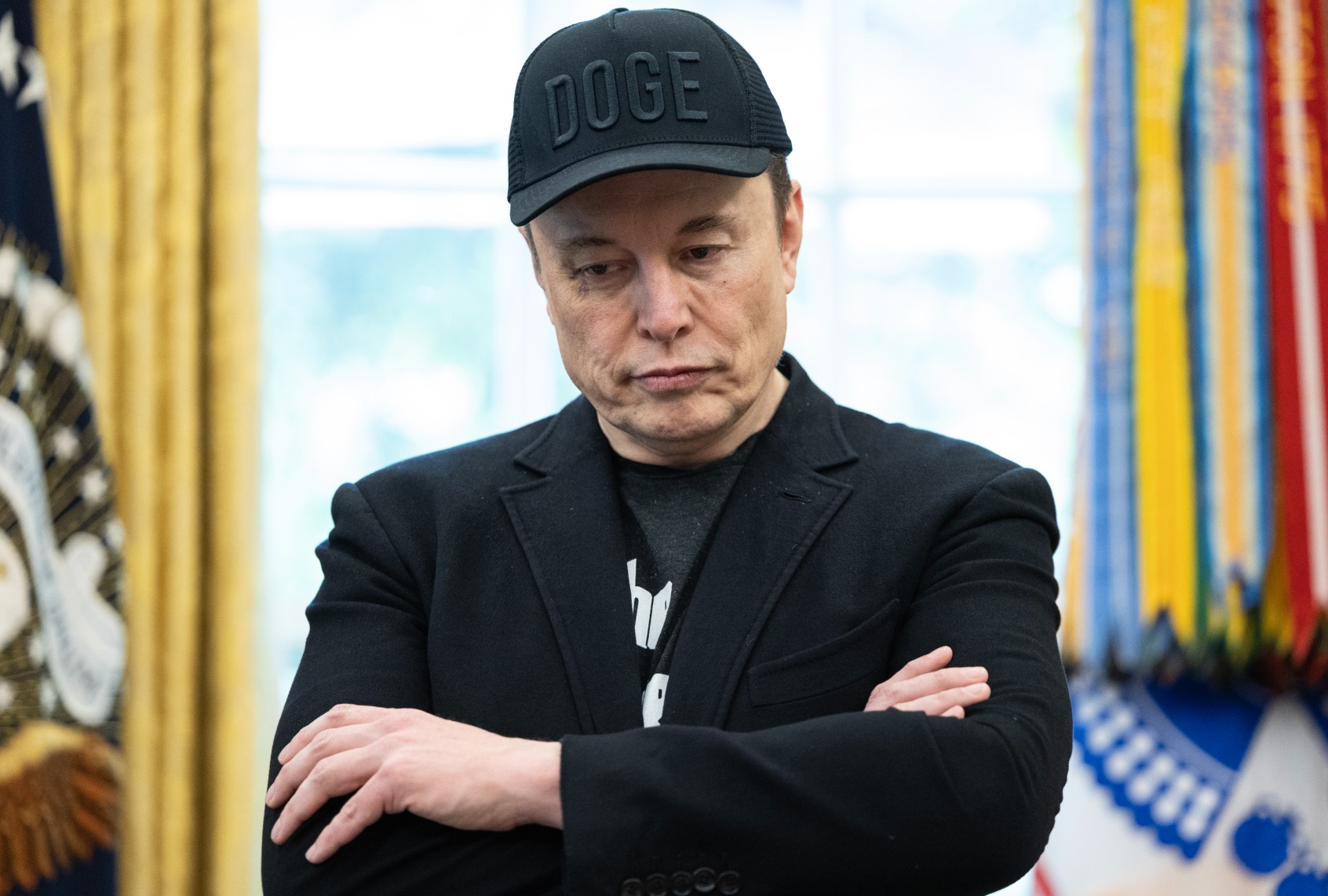
Elon Musk's Ambitious AI Project: A Modern Take on a Classic Epic
Elon Musk, the billionaire entrepreneur known for his ventures in electric vehicles, space exploration, and social media, has announced an ambitious project that aims to blend artificial intelligence with classical literature. In a recent statement, Musk revealed his intention to leverage AI technology to create a “historically accurate” version of Homer’s “The Odyssey,” raising questions about the implications of AI in the creative arts and the potential for new interpretations of ancient texts.
Artificial Intelligence Meets Classical Literature
The initiative is set to utilize advanced AI algorithms to generate content that reflects the linguistic and cultural nuances of Homeric Greek. This endeavor highlights the growing intersection between technology and the humanities, suggesting that AI could play a transformative role in how we engage with historical narratives. By using AI to recreate the epic, Musk aims to provide audiences with a fresh perspective on a cornerstone of Western literature, potentially attracting a new generation of readers and viewers.
The Financial Stakes of AI-Driven Content Creation
Musk’s foray into AI-generated content is not merely an artistic pursuit; it also represents a significant financial opportunity. The entertainment industry has increasingly embraced technology to enhance production quality and storytelling. The global market for AI in media and entertainment is projected to grow substantially, with estimates suggesting it could reach billions in the coming years. Musk's project could position him at the forefront of this evolving landscape, merging his interests in technology and media.
Potential Economic Impact on the Film Industry
If successful, Musk’s AI-generated adaptation of “The Odyssey” could disrupt traditional filmmaking processes. By reducing the time and resources needed for scriptwriting and pre-production, AI has the potential to lower costs and increase efficiency in the industry. This shift could lead to a wave of new projects that are both innovative and economically viable, allowing independent creators to compete with major studios. As Musk has demonstrated with his other ventures, he often challenges established norms, and this project could catalyze a broader movement toward AI in filmmaking.
Challenges of AI in Creative Expression
While the potential benefits of AI in the arts are significant, there are also considerable challenges. Critics argue that AI-generated content lacks the emotional depth and human touch that characterize traditional storytelling. The nuances of human experience, cultural context, and artistic expression may be difficult for an AI to replicate, leading to concerns about the authenticity of AI-generated works. Furthermore, the ethical implications of using AI to reinterpret classic literature raise questions about ownership and intellectual property.
Market Reactions to Musk's Announcement
The financial markets have reacted cautiously to Musk's announcement. While some investors see the potential for significant returns in the burgeoning field of AI-driven entertainment, others express skepticism about the feasibility of creating a compelling adaptation of “The Odyssey” through AI alone. Stock prices of companies involved in AI technology and media production have experienced increased volatility, reflecting investor uncertainty about the future of AI in the creative sector.
The Role of AI in Cultural Preservation
Beyond its commercial implications, Musk's project also raises important questions about cultural preservation. By using AI to recreate “The Odyssey,” there is potential to preserve and promote ancient texts that may otherwise fade from public consciousness. This digital revival could foster a deeper appreciation for classical literature, encouraging educational initiatives that explore the relevance of these works in contemporary society. However, the challenge remains to balance technological innovation with the preservation of the original text's integrity and meaning.
Implications for AI Ethics and Regulation
The announcement has reignited discussions around the ethical use of AI in creative fields. As AI technologies become more sophisticated, the need for regulations that govern their application in the arts is becoming increasingly urgent. Stakeholders in the entertainment industry, alongside policymakers, must navigate the complexities of intellectual property rights, authorship, and the potential for AI to perpetuate biases present in training data. Musk’s project could serve as a case study for the industry, prompting necessary conversations about the ethical frameworks surrounding AI in creative contexts.
A New Era of Storytelling?
Musk's vision for a historically accurate rendition of “The Odyssey” could signal the dawn of a new era in storytelling. As AI continues to evolve, its capacity to generate narratives may redefine audience engagement and influence cultural discourse. If executed thoughtfully, Musk's project could pave the way for a new genre of literature and film that merges ancient wisdom with cutting-edge technology, reshaping how stories are told and experienced in the digital age.
The Future of AI and Creative Industries
As the lines between technology and the arts continue to blur, the future of AI in creative industries remains a topic of intense debate. Musk’s foray into AI-generated storytelling exemplifies the potential for innovation, but it also underscores the need for a careful examination of the implications for creativity, culture, and commerce. The success of this project could influence not only the entertainment landscape but also the broader discourse surrounding the role of AI in society.
Conclusion: A Bold Experiment in AI and Literature
Elon Musk's ambition to use AI in creating a historically accurate version of “The Odyssey” represents a bold experiment at the intersection of technology and literature. As the project unfolds, it will be essential to monitor its impact on the film industry, cultural preservation, and the ethical considerations of AI in creative endeavors. Whether this venture will resonate with audiences and inspire further innovations in storytelling remains to be seen, but it undoubtedly marks a significant moment in the ongoing dialogue about the future of AI in the arts.