


Background of the Ladakh-MHA Discourse
The recent discussions between representatives from Ladakh and the Ministry of Home Affairs (MHA) in New Delhi have once again highlighted the complexities surrounding the region's governance and autonomy. Following the abrogation of Article 370 in August 2019, which stripped Jammu and Kashmir of its special status, Ladakh was carved out as a separate Union Territory. This transition has led to ongoing debates over the region’s political and administrative future, with local leaders advocating for greater autonomy and statehood.
Key Demands from Ladakh Representatives
During the inconclusive talks, representatives from Ladakh reiterated several key demands, including the urgent need for statehood, the inclusion of Ladakh under the Sixth Schedule of the Indian Constitution, and the release of prominent environmental activist Sonam Wangchuk. The call for statehood stems from a desire for self-governance, allowing local leaders to address regional issues more effectively. The Sixth Schedule inclusion would provide special provisions for the protection of the tribal population and local governance, which local leaders argue is critical for preserving Ladakh's unique cultural identity.
Political Climate and Economic Implications
The political climate in Ladakh remains tense, with local leaders expressing frustration over what they perceive as a lack of responsiveness from the central government. The absence of a legislative assembly in the Union Territory has led to concerns over representation and accountability. Economically, the region's reliance on tourism and traditional livelihoods makes political stability crucial for its growth. Uncertainty surrounding governance could deter investment and hinder economic development initiatives designed to leverage Ladakh's natural beauty and cultural heritage.
Sonam Wangchuk's Detention and its Significance
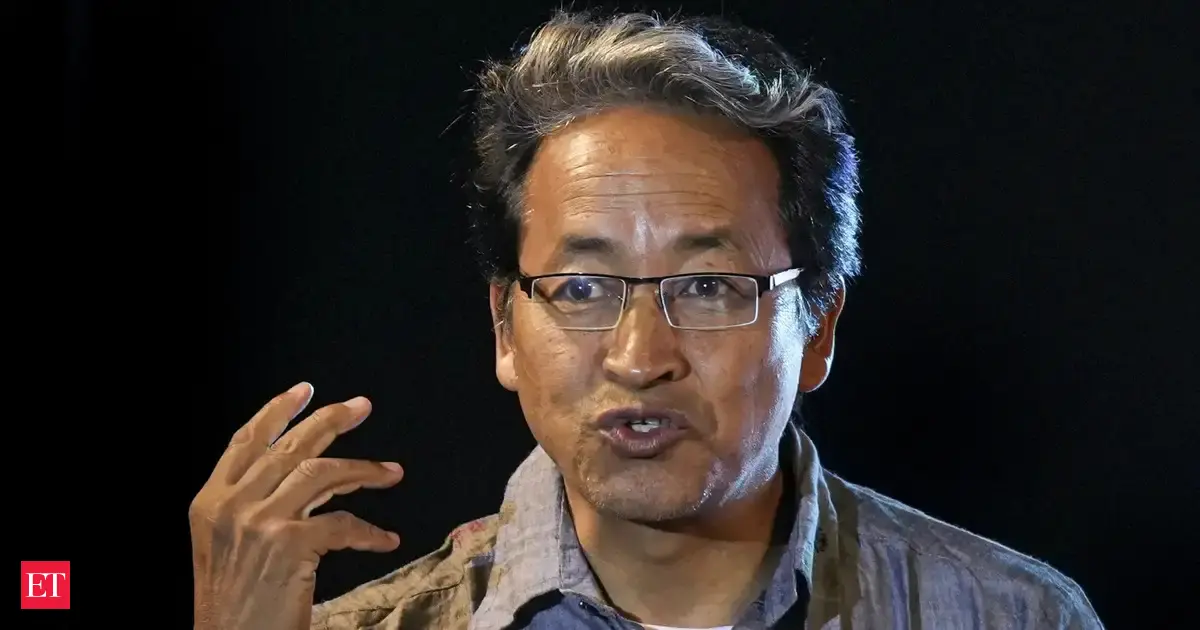
The detention of Sonam Wangchuk, a respected figure in Ladakh known for his advocacy on environmental issues and sustainable development, has further fueled local discontent. His arrest has raised questions about the state of civil liberties in the region and the government's approach to dissent. Wangchuk's supporters argue that his work is vital for promoting eco-friendly practices and addressing the challenges posed by climate change in the fragile Himalayan ecosystem. His continued detention could amplify calls for reform and greater autonomy.
Future Prospects: A Call for Continued Dialogue
In light of the inconclusive talks, the MHA has committed to reconvening discussions within the next month, signaling a potential path forward in addressing the concerns raised by Ladakhi representatives. However, achieving meaningful progress will require a concerted effort from both sides to engage in open dialogue. Stakeholders in Ladakh are hopeful that sustained negotiations will lead to resolutions that honor the region's unique identity while fostering economic growth and stability.
Conclusion: The Road Ahead for Ladakh
The ongoing discussions between Ladakh representatives and the MHA underscore the intricate balance between regional aspirations for autonomy and the central government's governance framework. As both parties prepare for future meetings, the outcomes will be closely monitored by local communities and investors alike. The stakes are high, as the decisions made in the