


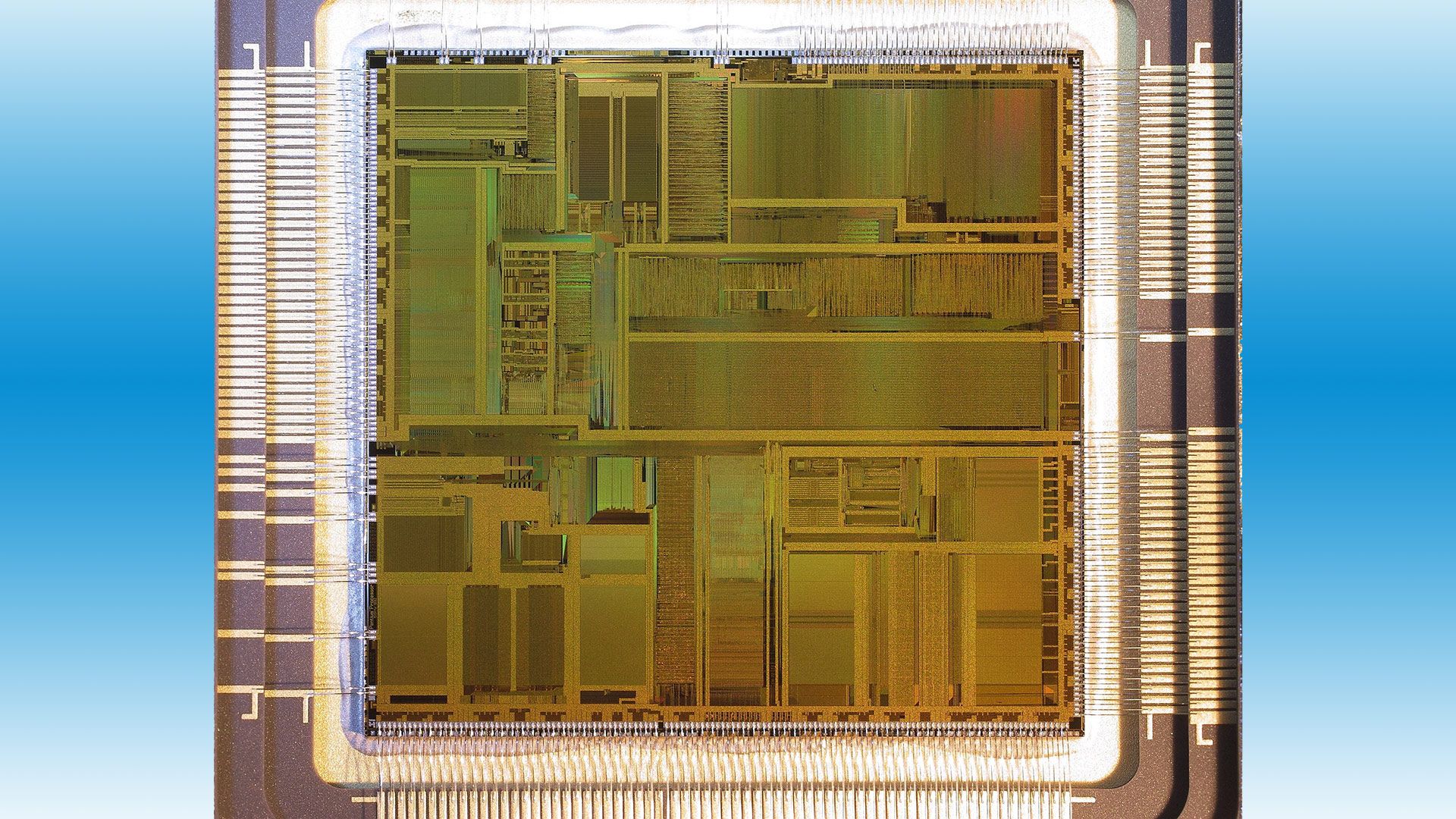
Intel's Historic Launch of the Pentium Chip
On March 22, 1993, Intel Corporation made a significant mark in the technology landscape with the release of its first Pentium chip. This launch not only represented a leap in computing power but also signaled the beginning of a new era in personal computing. The Pentium chip was the fifth generation of the x86 architecture and was built on an 800nm process, featuring an impressive 3.1 million transistors. This marked a considerable advancement from its predecessor, the 486 chip, which had significantly fewer transistors.
The Technological Breakthrough of Superscalar Architecture
The introduction of the Pentium chip was notable for its implementation of Intel’s first superscalar architecture. This innovative design allowed the CPU to execute multiple instructions per clock cycle, improving overall performance and efficiency. By enabling parallel processing, the Pentium chip provided a robust platform for more complex software applications and enhanced multitasking capabilities. This architectural shift laid the groundwork for future advancements in CPU design and performance, influencing generations of processors that followed.
Initial Reception and Market Impact
Upon its release, the Pentium chip received a mixed reception in the market. While many tech enthusiasts and businesses lauded its enhanced capabilities, the chip was not without its issues. Early versions of the Pentium were plagued by a floating-point division bug that raised concerns regarding reliability. This defect led to significant backlash against Intel, culminating in a public relations crisis that required a rapid response from the company. Intel's decision to replace faulty chips and implement a robust customer support strategy ultimately helped restore confidence in the brand.
Intel's Strategic Position in the Market
The launch of the Pentium chip solidified Intel's position as a leader in the semiconductor industry. At the time, the personal computer market was rapidly expanding, and Intel's ability to innovate and adapt to consumer demands played a crucial role in its growth. The Pentium chip became a cornerstone for PCs, driving sales and fostering a competitive environment among tech companies. As the demand for personal computing surged, Intel's market capitalization grew substantially, contributing to the company's status as one of the most valuable technology firms globally.
Long-Term Influence on Computing Technology
Beyond its immediate impact, the Pentium chip's legacy can be seen in the evolution of computing technology over the past three decades. The principles of superscalar architecture and the focus on increasing transistor density have continued to shape processor design. Subsequent generations of Intel processors built on the lessons learned from the Pentium, leading to the development of more powerful and efficient CPUs that are now integral to modern computing.
The Pentium Brand and Its Evolution
The Pentium brand has become synonymous with reliable performance in the consumer market. Over the years, Intel has released various iterations of the Pentium chip, each improving on the last in terms of speed, efficiency, and processing power. The Pentium name has endured as a staple in both consumer and professional computing, reflecting Intel's commitment to innovation and