


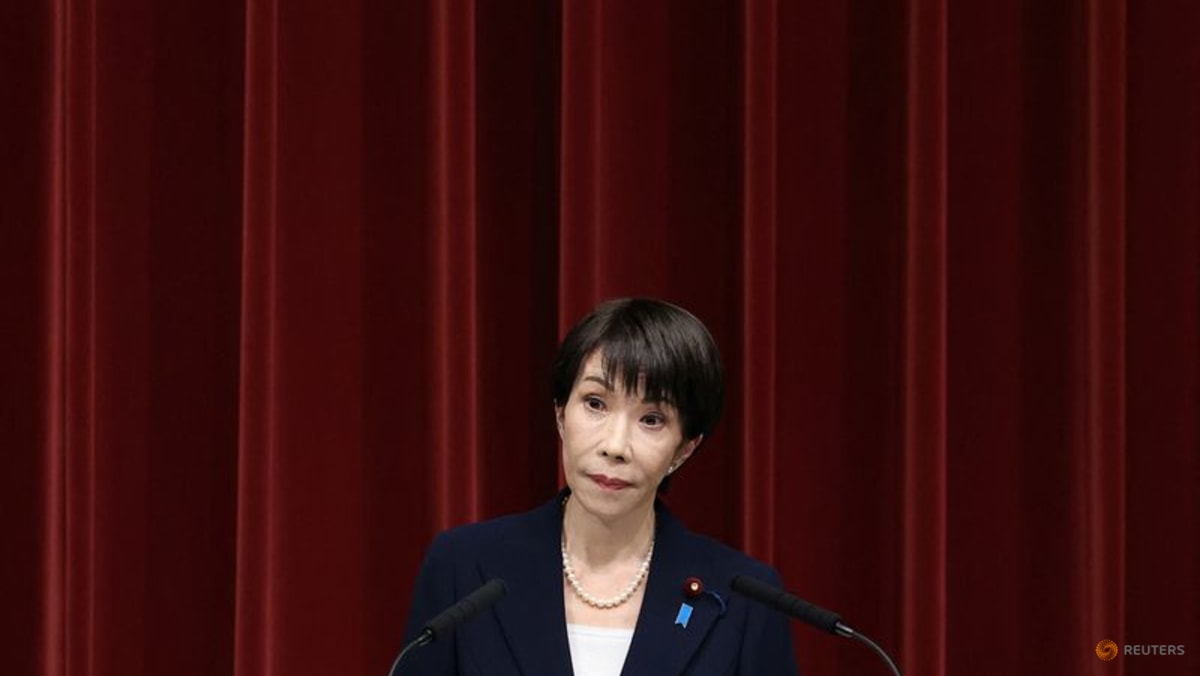
Introduction: A Critical Juncture for Prime Minister Takaichi
As Japanese Prime Minister Sanae Takaichi prepares for a snap election this weekend, she finds herself at a pivotal crossroads. With the nation's fiscal future hanging in the balance, Takaichi must not only win over the electorate but also reassure bond investors, whose confidence is crucial for her ambitious expansionary fiscal policies. As the finance ministry prepares to auction government bonds, the outcome will significantly influence Takaichi's ability to implement her economic agenda.
Bond Market Sentiment: A Barometer for Policy Success
The bond market serves as an essential barometer for the government's fiscal health and investor sentiment. Takaichi's administration has advocated for increased public spending to stimulate growth, particularly in the wake of the economic challenges posed by the COVID-19 pandemic. However, the success of this strategy hinges on maintaining a stable bond market. With Japan's public debt already among the highest in the world, any signs of investor skepticism could undermine her plans and complicate her position in the upcoming election.
Voter Expectations: Balancing Fiscal Responsibility and Growth
As Takaichi campaigns for voter support, she must navigate a delicate balance between fiscal responsibility and the need for economic growth. Voters are increasingly concerned about the implications of high public debt on future generations. Takaichi's challenge lies in convincing the electorate that her proposed fiscal policies will lead to sustainable growth without exacerbating the nation's debt crisis. Her ability to articulate a clear vision for Japan's economic future will be critical in winning voter trust.
The Role of Global Economic Conditions
The current global economic landscape adds another layer of complexity to Takaichi's situation. Rising interest rates and inflationary pressures in key markets could have spillover effects on Japan's bond market. Investors are likely to scrutinize how Takaichi plans to navigate these external challenges while implementing her fiscal strategies. An unfavorable global economic environment could lead to increased borrowing costs for Japan, further complicating her ambitions for expansionary fiscal policies.
Implications for Political Stability and Governance
A decisive victory in the upcoming election would not only bolster Takaichi's mandate but also enhance political stability in Japan, which has been characterized by frequent leadership changes in recent years. A strong electoral win could provide her administration with the political capital needed to pursue bold reforms and address pressing economic issues. Conversely, a lackluster performance could lead to increased scrutiny from investors and may force her to reconsider her policy approach, potentially stalling her agenda.
Conclusion: The Stakes Ahead
As Prime Minister Takaichi heads into the election, the dual challenge of winning over bond investors and voters remains at the forefront of her strategy. The outcomes of the bond auction and the election will serve as critical indicators of her government's direction and economic policy viability. For Takaichi, the next few days could define her tenure and set the course for Japan's economic future in an increasingly complex global environment