


The Current State of the Bull Market
The financial markets have experienced a notable rally in recent months, driven by a combination of strong corporate earnings, favorable economic indicators, and a generally optimistic outlook among investors. Major indices have reached new highs, reflecting a growing confidence in the economic recovery following the disruptions caused by the pandemic. However, as the market continues to ascend, concerns linger about potential pitfalls that could derail this upward momentum.
Jim Cramer's Insights on IPOs
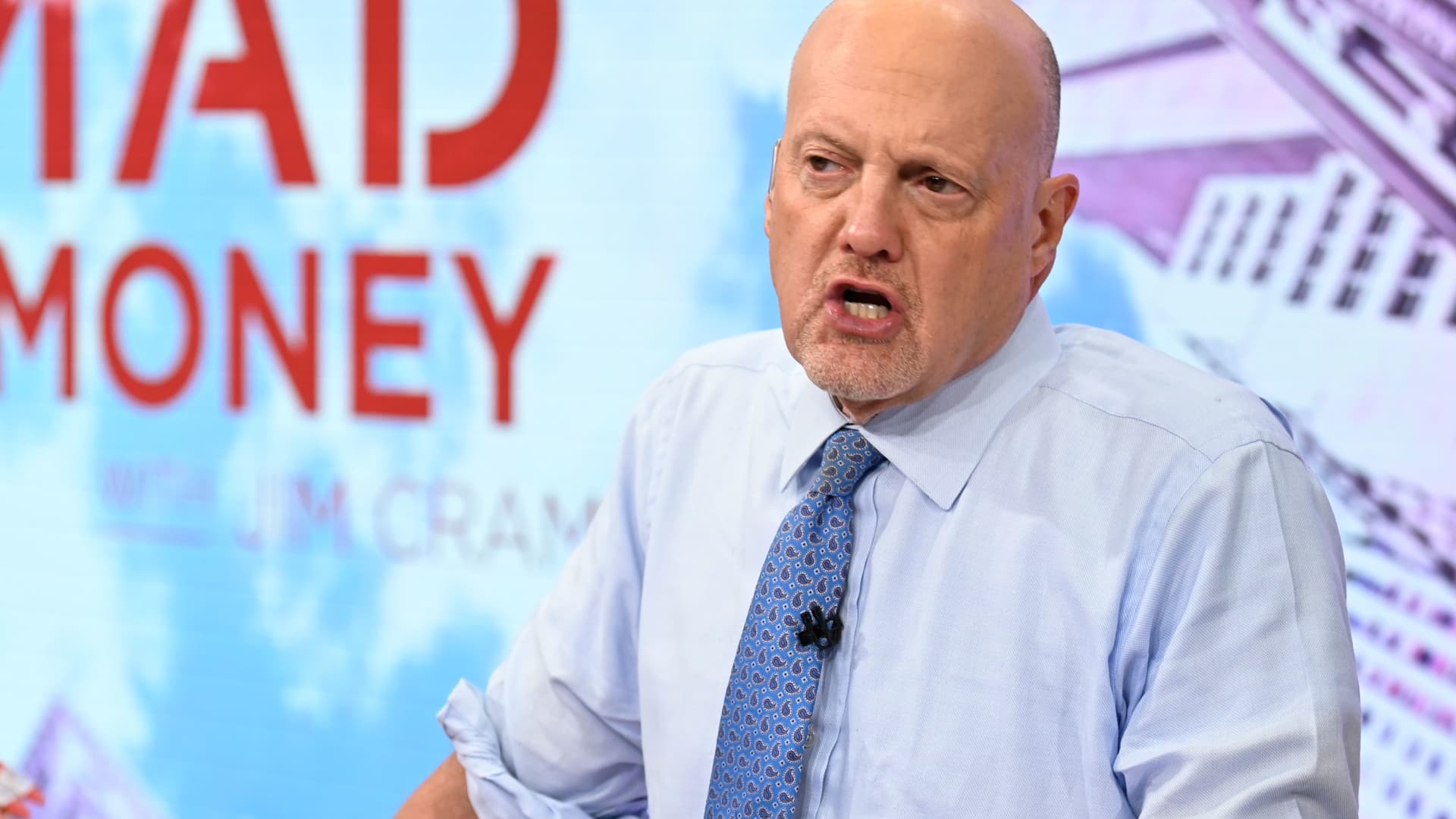
Jim Cramer, the well-known host of CNBC’s "Mad Money," recently raised alarms about a specific threat that he believes could undermine the current rally: a surge in initial public offerings (IPOs). While IPOs are often seen as a sign of market health, Cramer argues that an influx of large-scale IPOs could overwhelm the market, leading to volatility and instability. His warnings come at a time when several high-profile companies are slated to go public, potentially saturating the market with new shares.
The Dynamics of IPOs and Market Sentiment
IPOs serve as a critical barometer of market sentiment. When companies decide to go public, it usually indicates confidence in their business models and growth prospects. However, an excessive number of IPOs can lead to dilution of existing shares, as investors are faced with a broader array of choices. Cramer highlights that in a market that is already experiencing upward pressure, the introduction of new stocks could divert investor attention and capital away from established players, creating an imbalance.
Recent Trends in IPO Activity
The IPO landscape has been notably active in recent quarters, with numerous tech companies and startups seizing the opportunity to enter the public markets. The excitement surrounding these offerings often generates a buzz that can temporarily inflate stock prices. However, Cramer notes that this phenomenon can create a false sense of security among investors who may not fully appreciate the risks associated with newly public companies, especially those that have not yet proven their long-term viability.
Potential Risks of a Flooded IPO Market
One of the primary concerns surrounding a flood of IPOs is the potential for market saturation. As more companies seek to capitalize on favorable market conditions, the sheer volume of new shares entering the market may lead to increased competition for investor capital. This could result in volatility, as investors may struggle to determine which companies are genuinely worth their investment, leading to speculative trading behaviors.
Market Reactions to High-Profile IPOs
High-profile IPOs often attract significant media attention and investor interest, which can create a temporary spike in stock prices. However, Cramer warns that this initial excitement can be misleading. For instance, some companies may experience post-IPO sell-offs as early investors seek to capitalize on their gains, leading to price corrections that can affect overall market sentiment. If multiple high-profile companies experience similar patterns, the cumulative effect could dampen enthusiasm for the broader market.
The Role of Institutional Investors
Institutional investors play a crucial role in the IPO process, often providing the bulk of funding for new public offerings. However, as more companies enter the market, these investors may become more discerning, opting to allocate their capital to only a select few offerings. This selectivity can create a challenging environment for newer companies, as they may struggle to gain traction against more established competitors. Cramer points out that this shift in institutional behavior could contribute to increased volatility in the market.
Investor Strategies in an Evolving Market
Given the potential risks associated with a surge in IPOs, Cramer advises investors to adopt a cautious approach. He emphasizes the importance of conducting thorough due diligence before investing in newly public companies. Understanding the fundamentals of a business, its competitive landscape, and its growth prospects is essential in making informed investment decisions. Cramer also suggests that investors focus on established companies with proven track records, particularly during periods of heightened market uncertainty.
The Impact of Macroeconomic Factors
In addition to the potential risks posed by an influx of IPOs, broader macroeconomic factors also play a significant role in shaping market dynamics. Factors such as interest rates, inflation, and geopolitical developments can have far-reaching implications for investor sentiment and market performance. As central banks navigate monetary policy in response to changing economic conditions, investors must remain vigilant and adaptable to evolving market trends.
Looking Ahead: The Future of the Bull Market
As the market moves forward, the interplay between IPO activity and broader economic conditions will be critical in determining the sustainability of the current rally. While Cramer’s warnings about the potential dangers of a flood of IPOs are notable, they also serve as a reminder of the complexities inherent in the financial markets. Investors must remain aware of the potential for volatility and be prepared to adjust their strategies accordingly.
Conclusion: Navigating the New Normal
In conclusion, Jim Cramer's insights on the potential risks associated with a surge in IPOs underscore the need for caution in an evolving market landscape. While IPOs can signal confidence and opportunity, they also carry inherent risks that can impact the stability of the broader market. As investors navigate this new normal, a focus on sound investment principles and a keen awareness of market dynamics will be essential in ensuring long-term success. Ultimately, the future of the bull market will depend on a delicate balance between new opportunities and the risks that accompany them.
Source: Open original source