


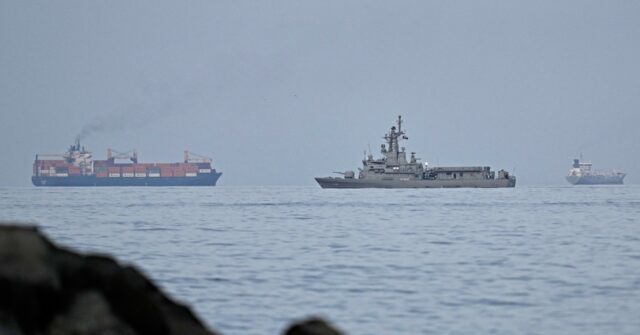
Understanding the Geopolitical Landscape of the Hormuz Strait
The Strait of Hormuz is a critical maritime chokepoint, connecting the Persian Gulf with the Gulf of Oman. Approximately 20% of the world’s oil trade passes through this narrow waterway, making it a focal point for global energy security. In recent years, tensions between the United States and Iran have escalated, leading to fears of potential disruptions in oil supplies and broader geopolitical instability. However, some analysts suggest that a cooperative approach between these two nations could transform the Strait into a zone of mutual benefit.
The Historical Context of U.S.-Iran Relations
The relationship between the U.S. and Iran has been fraught with conflict since the 1979 Iranian Revolution. The U.S. imposed sanctions on Iran, aimed at curbing its nuclear ambitions, while Iran has often viewed American presence in the region as a threat to its sovereignty. This adversarial relationship has led to military confrontations and a series of proxy wars throughout the Middle East. Yet, the historical backdrop also reveals periods of cooperation, particularly in the realm of oil and energy trade, which could serve as a foundation for future collaboration.
Potential Benefits of a Joint Venture
In a hypothetical scenario where the U.S. and Iran establish a joint venture to manage the security and operations of the Strait of Hormuz, the potential benefits could be substantial. Such a partnership could stabilize the region by reducing the risk of military confrontations and ensuring a steady flow of oil, which would benefit global markets. A secure Strait of Hormuz would not only protect energy supplies but also bolster investor confidence in a historically volatile region.
Economic Implications for Global Markets
The economic implications of a U.S.-Iran joint venture in the Strait could reverberate through global markets. With the stabilization of oil supply routes, prices may become less volatile, which would be a boon for consumers and businesses alike. Furthermore, the establishment of a cooperative security framework could attract foreign investments into Iran’s energy sector, potentially leading to increased production and exports. This shift could enhance the economic prospects of both nations while also contributing to global economic stability.
Impact on Oil Prices and Supply Chains
Oil prices are notoriously sensitive to geopolitical events. The establishment of a joint venture to ensure the security of the Strait could mitigate the risk premium that traders often attach to oil prices due to Middle Eastern tensions. A reduction in perceived risk could lead to lower oil prices, benefiting consumers and industries reliant on energy. Furthermore, a more stable supply chain for oil could encourage countries to diversify their energy portfolios, potentially leading to a shift in global energy dynamics.
Challenges to Cooperation
Despite the potential benefits, numerous challenges could hinder the establishment of a U.S.-Iran joint venture. Distrust runs deep between the two nations, and any attempt at cooperation would require significant diplomatic efforts. Additionally, hardline factions within both countries may oppose such an initiative, fearing that it could undermine their political agendas. Moreover, external influences, including the interests of other regional powers, could complicate the feasibility of a joint venture.
The Role of International Stakeholders
International stakeholders, including major oil-importing nations and organizations like OPEC, would have a vested interest in the success of a U.S.-Iran joint venture. These countries could play a crucial role in facilitating dialogue and building trust between the two nations. By advocating for cooperative security arrangements in the Strait of Hormuz, international stakeholders could help create a more stable environment for global energy trade.
Public Perception and Political Will
Public perception in both the U.S. and Iran will significantly impact the feasibility of a joint venture. In the U.S., there is a growing recognition of the need for pragmatic solutions to complex foreign policy challenges. Conversely, Iranian public sentiment may be more skeptical, given the history of sanctions and military confrontations. Political leaders in both countries would need to gauge public opinion and build a consensus around the benefits of cooperation, which could prove to be a formidable task.
Long-term Impacts on U.S.-Iran Relations
If a joint venture were to materialize, it could pave the way for a broader rapprochement between the U.S. and Iran. Successful collaboration in the Strait of Hormuz might open doors for dialogue on other contentious issues, such as nuclear negotiations and regional conflicts. A shift towards cooperation could ultimately reshape the geopolitical landscape of the Middle East, fostering a more stable and secure environment.
Conclusion: A Vision for the Future
The idea of a U.S.-Iran joint venture in the Strait of Hormuz, while ambitious, presents an opportunity to rethink the dynamics of U.S.-Iran relations. By focusing on mutual interests, both nations could potentially transform a historically contentious area into a zone of cooperation. Although significant challenges remain, the potential benefits to global markets, regional stability, and bilateral relations could make such a venture a 'beautiful thing.' As the world watches closely, the future of the Hormuz Strait may hinge on the willingness of both nations to embrace a new paradigm of cooperation over conflict.