


Meta’s Strategic Investment in University Research
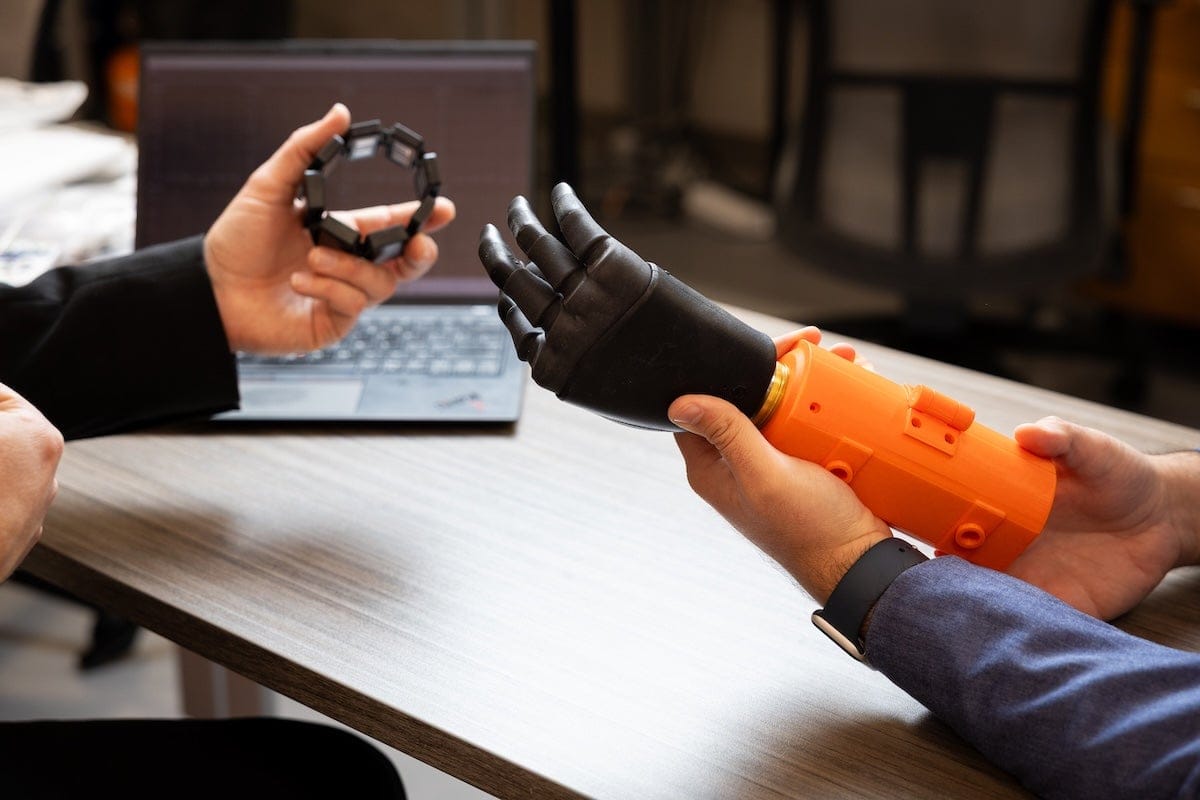
In a significant move that underscores its commitment to advancing technology in user interaction, Meta Platforms Inc. has announced a series of research grants aimed at exploring the potential applications of sEMG (surface Electromyography) wristband technology. The initiative will fund various university projects focused on key areas including speech recognition, accessibility enhancements, training methodologies, privacy concerns, and user agency. This strategic investment not only positions Meta as a leader in the development of innovative input devices but also aligns with its broader goals of enhancing human-computer interaction through advanced neural interfaces.
Understanding sEMG Technology
Surface electromyography is a technique that records electrical signals produced by muscle contractions. In the context of wristband devices, sEMG technology allows for nuanced control of digital interfaces through subtle muscle movements. This capability opens up a myriad of potential applications, particularly in areas where traditional input methods may fall short, such as in assistive technologies for individuals with disabilities. By investing in university research, Meta aims to tap into the academic community's expertise, driving innovation that could redefine how users interact with technology.
Enhancing Speech Recognition Capabilities
One of the focal points of the funded research projects is the enhancement of speech recognition systems. Traditional voice recognition technologies often struggle in noisy environments or with users who have speech impairments. By integrating sEMG wristband input, researchers are exploring the possibility of creating systems that can interpret muscle signals associated with speech production, thereby enhancing the accuracy and reliability of voice-activated interfaces. This could lead to more robust communication tools for individuals with disabilities, expanding their ability to engage with technology and communicate effectively.
Improving Accessibility Through Innovative Solutions
The collaboration with universities also aims to develop innovative solutions that enhance accessibility for users with diverse needs. Traditional input devices such as keyboards and mice can be challenging for individuals with physical limitations. sEMG wristbands could provide an alternative means of interaction, enabling users to control devices through muscle movements. This shift toward more inclusive technology aligns with Meta's vision of creating a more accessible digital landscape, ensuring that everyone can benefit from advancements in technology.
Training and Skill Development Applications
Another promising area of research involves the application of sEMG technology in training and skill development. By utilizing wristbands that track muscle activity, researchers are investigating how this data can be used to enhance learning in various fields, from sports to rehabilitation. For instance, athletes could receive real-time feedback on their muscle engagement during training, allowing for more effective coaching and performance improvements. Similarly, rehabilitation programs could incorporate sEMG data to tailor exercises and monitor progress, ultimately leading to better recovery outcomes.
Addressing Privacy and Security Concerns
As with any emerging technology, the implementation of sEMG wristbands raises important questions regarding privacy and data security. The ability to capture and analyze muscle activity introduces potential risks related to the unauthorized use of sensitive biometric data. The university projects funded by Meta will also explore these critical issues, seeking