


Background on Amy's Kitchen and Product Offerings
Amy's Kitchen, a prominent player in the organic and vegetarian food market, has carved a niche for itself since its inception in 1987. The company is well-known for its commitment to producing high-quality, plant-based meals, soups, and snacks that cater to health-conscious consumers. With a diverse range of products, Amy's Kitchen has established a loyal customer base, particularly among those seeking convenient yet nutritious options. The brand's focus on organic ingredients and sustainable practices has bolstered its reputation, making it a preferred choice for many families across the United States.
Details of the Recall
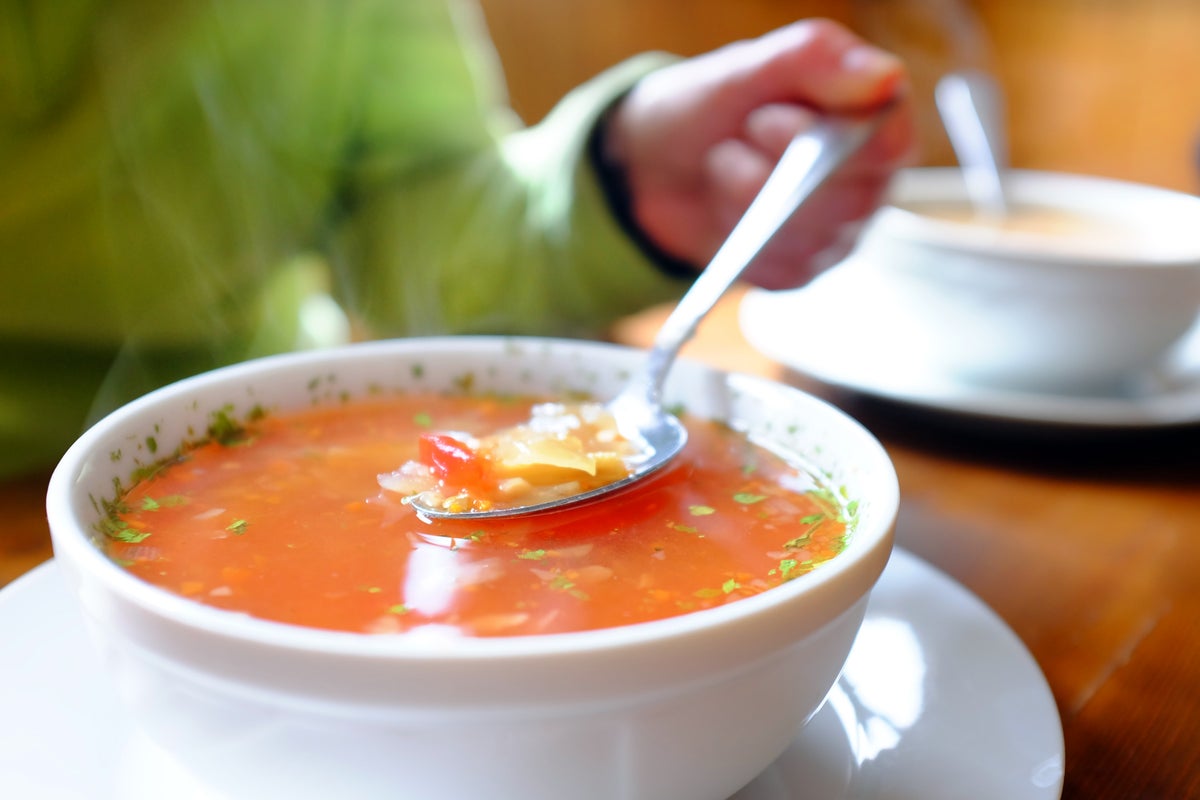
In a significant development, nearly 200,000 cans of Amy's Kitchen soup have been recalled due to concerns over spoilage. The affected product is the company's popular Organic Chunky Vegetable Soup, which has been linked to potential quality issues that could compromise consumer safety. The recall was initiated after reports surfaced indicating that some cans may contain spoilage, which could pose health risks to consumers. The issue is particularly alarming as it underscores the challenges food manufacturers face in maintaining product integrity throughout the supply chain.
Consumer Health Risks and Safety Measures
The recall raises pertinent questions about food safety protocols within the industry. Spoilage in canned goods can lead to various health risks, including foodborne illnesses that can affect consumers' gastrointestinal health. Symptoms may include nausea, vomiting, and diarrhea, which can be particularly severe for vulnerable populations such as children and the elderly. In response to this situation, Amy's Kitchen has urged customers who purchased the affected product to check their pantry and refrain from consuming the soup. The company has also provided guidelines for returning the product for a full refund.
Market Implications of Food Recalls
Food recalls can have significant ramifications for companies, both financially and reputationally. For Amy's Kitchen, this incident may lead to a temporary decline in sales as consumers reassess their trust in the brand. The organic food sector has been growing steadily, driven by increasing demand for health-conscious options. However, recalls can disrupt this momentum, as consumers may gravitate toward competitors with a stronger track record of safety and quality assurance. The financial impact of this recall could also extend to Amy's Kitchen's supply chain partners, retailers, and distributors, who may face increased scrutiny and potential losses as a result of the incident.
Impact on the Organic Food Industry
The recall of Amy's Kitchen soup is a stark reminder of the vulnerabilities inherent in the organic food industry. As consumer preferences shift toward organic and natural products, the stakes for food manufacturers have risen. The heightened scrutiny surrounding food safety can lead to increased regulatory oversight, which may impose additional compliance costs on companies. Furthermore, as the market for organic foods continues to expand, businesses must remain vigilant in their quality control processes to avoid similar situations that could jeopardize their standing in a competitive marketplace.
Response from Amy's Kitchen and Future Actions
In light of the recall, Amy's Kitchen has taken proactive steps to address the issue and reassure consumers. The company has stated that it is conducting a thorough investigation to determine the root cause of the spoilage. This includes reviewing their manufacturing processes and supply chain logistics to identify any potential weaknesses. Additionally, Amy's Kitchen has committed to enhancing its quality assurance measures to prevent future occurrences. Transparency and communication will be critical as the company navigates this challenging situation and works to restore consumer confidence.
Consumer Sentiment and Brand Loyalty
Consumer sentiment plays a crucial role in the aftermath of a food recall. For many loyal customers of Amy's Kitchen, the incident may prompt feelings of disappointment and concern. The organic food market is characterized by a demographic that prioritizes health and wellness, and any breach of trust can be damaging. However, Amy's Kitchen has built a strong brand over the years, and its response to the recall will be instrumental in determining how customers perceive the company moving forward. Engaging with consumers through transparent communication and remedial actions could help mitigate the impact of the recall on brand loyalty.
Broader Trends in Food Safety Regulations
This incident also highlights broader trends in food safety regulations. As the food industry evolves, regulatory bodies are increasingly focused on ensuring that manufacturers adhere to stringent safety standards. The Food and Drug Administration (FDA) and other agencies continue to refine their guidelines to address emerging risks associated with food production and distribution. Companies like Amy's Kitchen must navigate these complexities while maintaining compliance and safeguarding their reputations in a landscape that is becoming more demanding and competitive.
Conclusion: Navigating Challenges in the Food Sector
The recall of nearly 200,000 cans of Amy's Kitchen soup serves as a critical reminder of the challenges faced by food manufacturers in maintaining product quality and consumer safety. As the organic food sector continues to grow, companies must be vigilant in their practices to avoid potential pitfalls. For Amy's Kitchen, the path forward will require a commitment to transparency, quality assurance, and consumer engagement to rebuild trust and confidence in their brand. The incident underscores the importance of rigorous safety protocols and the need for continuous improvement in an ever-evolving marketplace, where consumer expectations are higher than ever.