


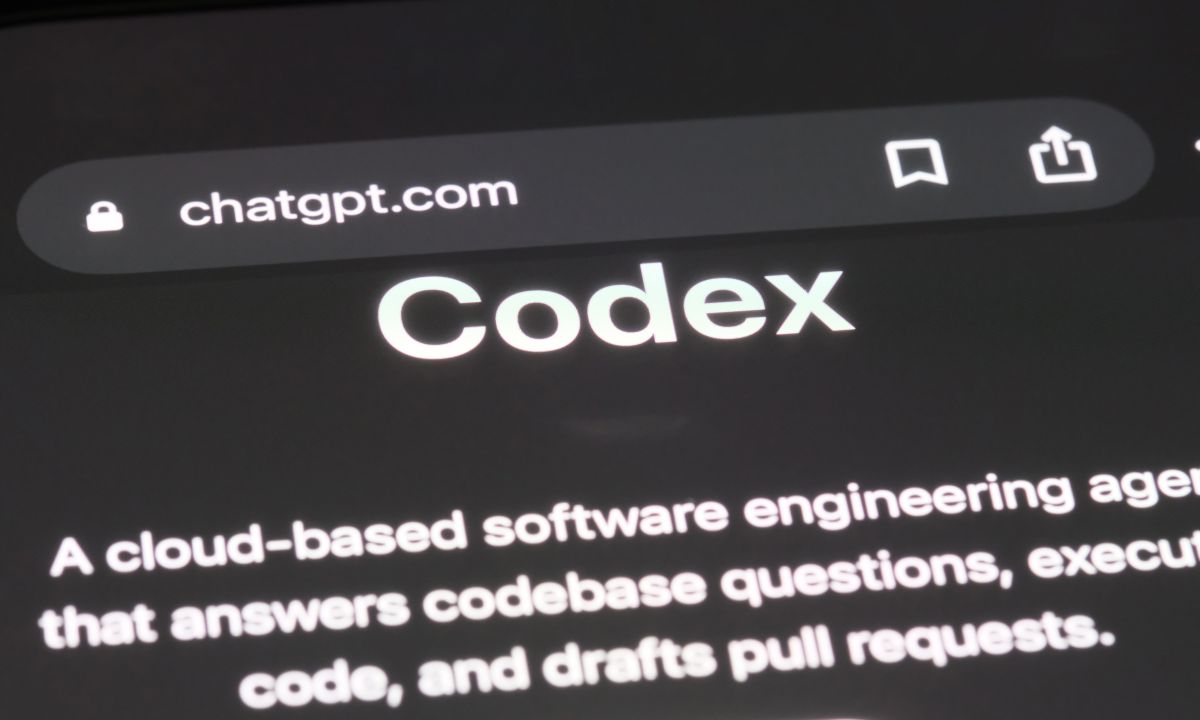
OpenAI's Codex: A Leap Beyond Software Engineering
OpenAI has taken a significant step in expanding the capabilities of its Codex programming model, traditionally confined to software engineering. On June 2, the company announced plans to introduce new plugins aimed at various sectors such as public equity investment, banking, and sales. This strategic move positions Codex not just as a tool for coders but as a versatile agent capable of enhancing productivity across diverse business functions.
Transforming Investment Strategies with AI
The introduction of Codex plugins for public equity investment marks a pivotal moment in the integration of artificial intelligence within the financial sector. Investors and analysts often grapple with vast amounts of data to make informed decisions. By leveraging Codex, these professionals can automate data analysis, generate insights, and create predictive models with greater efficiency. This capability could significantly reduce the time spent on research and analysis, allowing investors to focus on strategic decision-making.
Banking Sector: Streamlining Operations
The banking industry stands to benefit enormously from OpenAI's Codex as well. With its ability to automate routine tasks, Codex can streamline operations in various banking functions, from customer service to compliance checks. By integrating Codex into their systems, banks can enhance their service offerings while reducing operational costs. Moreover, the potential for improved accuracy in data processing could lead to better risk management practices, which are crucial in the highly regulated financial environment.
Sales and Marketing: A New Tool for Growth
In addition to finance, OpenAI is targeting the sales sector with its Codex plugins. Sales professionals often rely on data-driven insights to tailor their pitches and optimize customer interactions. Codex can assist in analyzing customer behavior, predicting trends, and even generating personalized communication strategies. This level of automation and insight can empower sales teams to enhance their approaches and, ultimately, drive revenue growth.
Implications for Workforce Dynamics
The expansion of Codex beyond traditional coding roles raises questions about its impact on workforce dynamics. As businesses adopt AI tools to augment their capabilities, the demand for tech-savvy professionals who can leverage these tools effectively will likely increase. This shift may necessitate a re-evaluation of skill sets required in various industries, prompting educational institutions and training programs to adapt their curricula accordingly.
Potential Challenges and Considerations
While the advancements in Codex present numerous opportunities, they also come with challenges. The integration of AI tools into existing workflows can be met with resistance from employees who may fear job displacement. Furthermore, the reliability of AI-generated outputs must be scrutinized to ensure they meet industry standards. Organizations will need to establish robust frameworks for incorporating AI responsibly, balancing efficiency gains with ethical considerations.
OpenAI's Competitive Landscape
The move to broaden Codex's applications places OpenAI in direct competition with other tech giants and startups developing AI solutions for various industries. As companies increasingly seek to harness the power of AI, the race to create the most effective and user-friendly tools will intensify. OpenAI's strategic focus on sectors like finance and sales could enhance its market position, but it will need to navigate an evolving competitive landscape.
The Future of AI in Business
OpenAI's initiative to expand Codex's functionalities is indicative of a larger trend in the business world: the growing reliance on AI technologies to drive operational efficiency and innovation. As organizations continue to explore AI's potential, the landscape of work will transform, with AI becoming an integral part of decision-making processes across industries. The success of Codex in these new domains could serve as a blueprint for future AI applications, propelling further advancements in automation and data analysis.
Investor Sentiment and Market Reactions
The announcement has sparked interest among investors, particularly those focused on technology and innovation. As OpenAI rolls out these new plugins, stakeholders will be keen to assess their impact on productivity and profitability within the industries they target. Market reactions may also reflect broader trends in AI adoption, as companies that successfully implement such technologies could see enhanced valuations.
Conclusion: A New Era for Codex
OpenAI's decision to move Codex beyond coding roles represents a significant evolution in the application of artificial intelligence. By targeting sectors such as public equity investment, banking, and sales, the company is not only enhancing its product offerings but is also contributing to the broader narrative of AI's transformative potential in business. As organizations embrace these tools, the implications for productivity, workforce dynamics, and market competition will be closely observed, signaling the dawn of a new era for Codex and its users.