


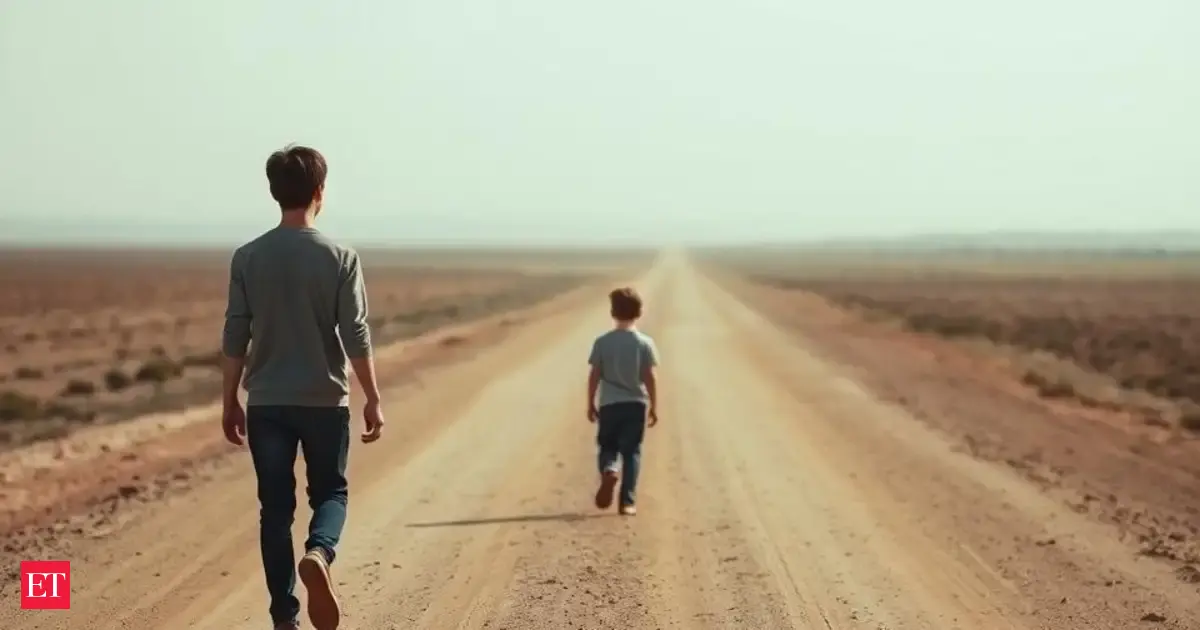
The Nonverbal Language of Walking Patterns
Recent studies in psychology have illuminated the subtle yet profound ways in which walking patterns can signal relationship dynamics. This nonverbal communication often goes unnoticed but plays a critical role in how individuals perceive their social interactions. Whether someone walks ahead, beside, or trails behind can reflect deeper emotional connections and power dynamics within relationships.
Leading and Following: A Reflection of Power Dynamics
The act of walking ahead can signify dominance or leadership within a relationship. When one person consistently takes the lead in movement, it may indicate a higher level of confidence or authority. This behavior is not limited to personal relationships; it can also manifest in professional settings. For instance, in a corporate environment, a manager walking ahead of their team may subconsciously reinforce their role as the decision-maker. Conversely, when individuals match their pace or walk side-by-side, it suggests a more egalitarian relationship, fostering a sense of partnership and collaboration.
Matching Pace: A Sign of Emotional Closeness
Psychologists have noted that when individuals walk in sync, it often reflects emotional closeness and mutual understanding. This phenomenon, known as "temporal synchrony," is characterized by individuals unconsciously adjusting their pace to align with each other. Such behavior can enhance feelings of connection and intimacy, whether in romantic relationships, friendships, or professional collaborations. In contrast, a noticeable disparity in walking speed may suggest discomfort or a lack of rapport, potentially indicating underlying tensions.
Breaking Rhythm: Indicators of Relationship Strain
When the rhythm of walking is disrupted, it can serve as a nonverbal indicator of relationship strain. For example, if one person significantly speeds up or slows down, it may reflect emotional disconnection or conflict. This change in pace often occurs when individuals are navigating sensitive topics or experiencing stress. The psychological implications of these shifts in walking patterns can be profound, as they may signal a need for communication or reconciliation within the relationship.
Contextual Factors Influencing Walking Dynamics
Various contextual factors can influence walking patterns and their associated meanings. Environmental elements, such as crowded spaces or uneven terrain, may compel individuals to adjust their pace or positioning. Additionally, cultural norms play a significant role; in some cultures, walking ahead may be seen as a sign of respect, while in others, it could be interpreted as rudeness. Understanding these nuances is critical for interpreting walking dynamics accurately.
Implications for Business and Personal Relationships
Awareness of walking patterns can have practical implications in both business and personal contexts. In professional settings, understanding these nonverbal cues can enhance team dynamics and improve communication. Leaders who are attuned to the walking patterns of their teams may foster a more inclusive environment, while individuals in personal relationships can benefit from recognizing these signals to strengthen emotional bonds. Ultimately, the psychology of walking serves as a reminder of the intricate ways in which our nonverbal behaviors shape our interactions and relationships.