


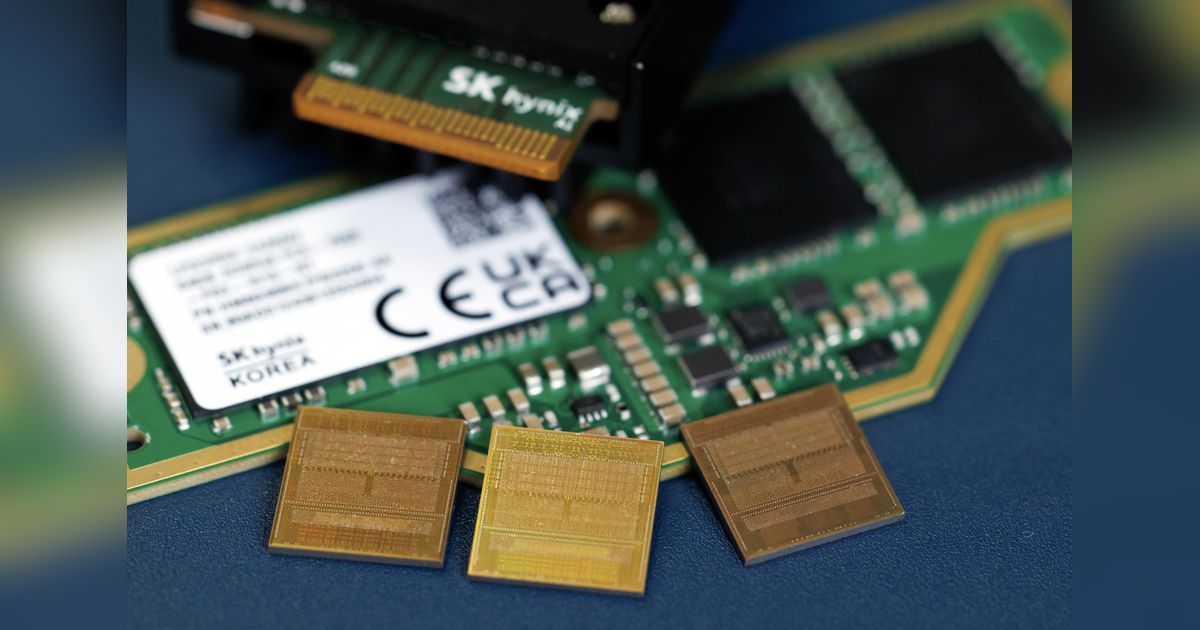
Surge in AI Demand Drives Memory Chip Prices Higher
The rapid adoption of artificial intelligence technologies has led to an unprecedented surge in demand for memory chips, particularly Dynamic Random Access Memory (DRAM). As companies increasingly integrate AI capabilities into their products, the need for faster and more efficient memory solutions has intensified. This growing demand has resulted in a significant uptick in memory costs, which are expected to have a profound impact on various sectors, especially in consumer electronics.
Impact on Smartphone Manufacturing Costs
Recent market analyses indicate that the rising prices of DRAM could see its share of the bill of materials for low-end smartphones rise from 10 percent to as much as 30 percent by early 2025. This dramatic increase highlights the extent to which memory components are becoming a critical factor in the overall cost structure of mobile devices. Manufacturers are now faced with the challenge of balancing the need for advanced memory solutions against the backdrop of rising production costs, which could ultimately affect retail prices for consumers.
Broader Implications for the Semiconductor Industry
The semiconductor industry is currently grappling with a dual challenge: navigating the ongoing supply chain disruptions while simultaneously adapting to the burgeoning demand for high-performance memory solutions. As AI applications proliferate across various industries, from automotive to cloud computing, semiconductor manufacturers are scrambling to ramp up production capacities. However, the inherent complexities of chip fabrication—along with existing supply chain bottlenecks—pose significant hurdles to meeting this escalating demand.
Investor Sentiment and Market Reactions
Investor sentiment in the semiconductor sector remains cautious but optimistic. Analysts are closely monitoring the performance of key players in the memory chip market, including established giants and emerging contenders. The current landscape has prompted speculation about potential mergers and acquisitions as companies seek to consolidate resources and enhance their technological capabilities. Market watchers are also paying attention to how these dynamics might influence stock valuations in the coming quarters.
Long-Term Strategies for Sustainability
To address the looming memory chip supply crunch, industry leaders are exploring various long-term strategies aimed at enhancing production efficiency and sustainability. Investments in research and development are being prioritized to innovate new memory technologies that can meet the demands of AI applications without exacerbating supply shortages. Additionally, fostering partnerships across the supply chain may provide the necessary agility to respond to fluctuating market conditions.
Conclusion: Navigating the New Normal
The intersection of AI demand and memory chip supply presents a complex landscape for manufacturers, investors, and consumers alike. As DRAM prices continue to rise and account for a larger share of production costs, the implications for the smartphone market and the broader semiconductor industry are profound. Stakeholders must remain vigilant and adaptable in navigating this evolving environment, with a focus on innovation and collaboration to ensure long-term sustainability and growth.