


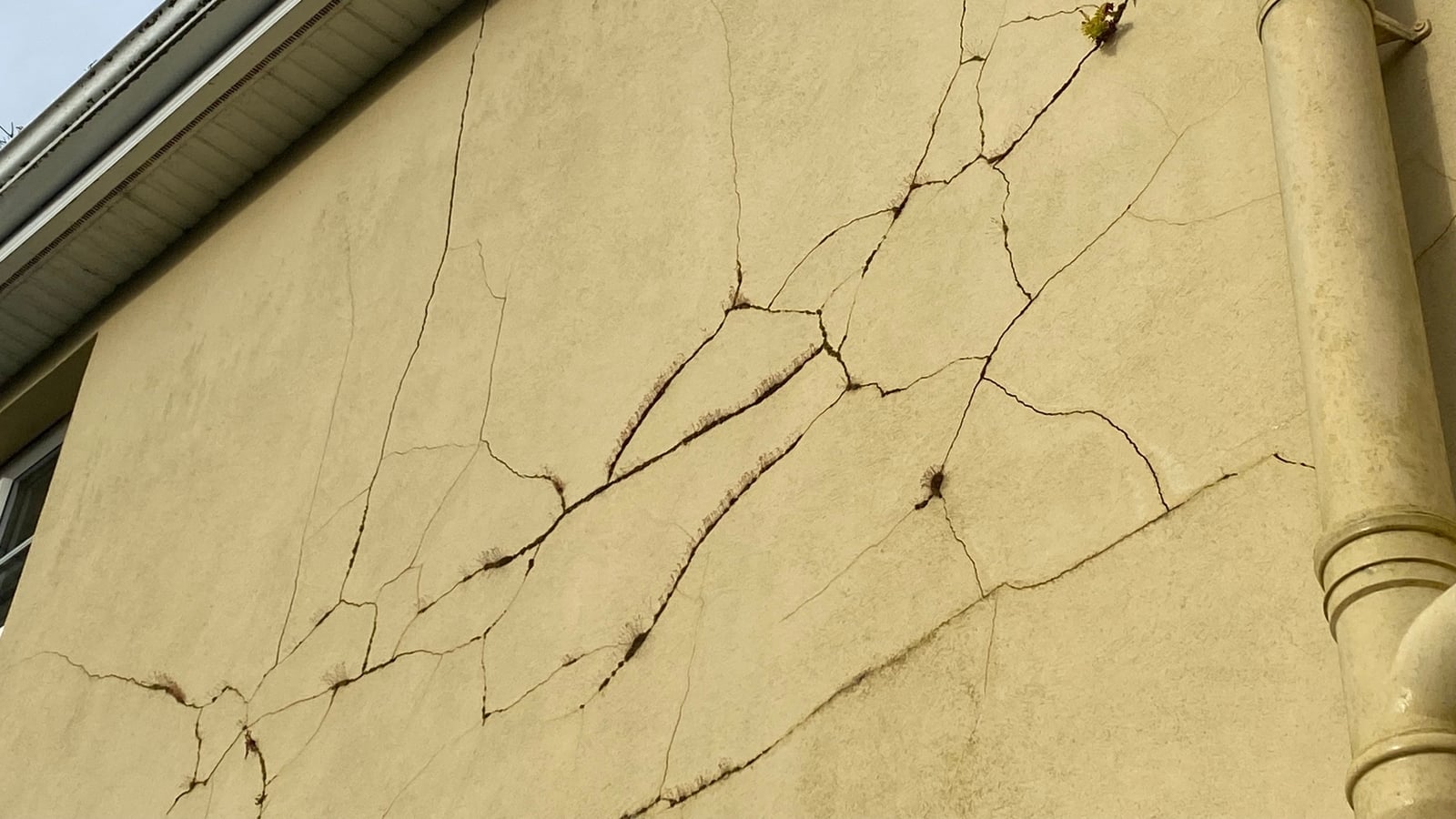
Understanding the Defective Block Crisis
The construction sector in the UK is grappling with a significant crisis as new figures reveal that approximately 9,500 homes are affected by defective concrete blocks. This alarming trend has raised concerns about the safety and stability of residential properties, as well as the financial implications for homeowners and builders alike. The defective blocks, often linked to a manufacturing flaw, have been a growing concern since their identification, leading to increased scrutiny and regulatory attention.
The Financial Implications for Homeowners
For homeowners affected by the defective blocks, the financial repercussions can be severe. Many property owners may find themselves facing substantial repair costs, which can range from tens of thousands to potentially hundreds of thousands of pounds. These costs not only encompass the removal and replacement of the defective materials but also additional expenses related to temporary housing and loss of property value. The financial strain is compounded by the potential for decreased marketability of affected homes, as prospective buyers may be deterred by the presence of known defects.
Impact on the Construction Industry
The rise in properties impacted by defective blocks has far-reaching implications for the construction industry. Builders and developers must now navigate a landscape of increased liability and potential litigation. Companies involved in the manufacture of these concrete blocks may also face significant financial repercussions, including compensation claims and reputational damage. As the industry grapples with these challenges, there is a growing call for enhanced quality assurance measures and stricter regulatory oversight to prevent similar issues in the future.
Regulatory Response and Market Adaptation
In response to the growing crisis, regulators are under pressure to implement stricter guidelines for construction materials and practices. The rise in reported cases of defective blocks has prompted discussions around the need for mandatory testing and certification processes for building materials. Such measures could help safeguard against future defects and reassure homeowners and investors alike. As the market adapts to these developments, there may also be opportunities for innovative solutions and technologies aimed at improving construction standards.
Long-term Outlook for the Real Estate Market
The long-term outlook for the real estate market remains uncertain as the defective block issue unfolds. While some analysts predict a temporary decline in property values in affected areas, others suggest that the overall market may stabilize as remediation efforts progress. Investors and developers are closely monitoring the situation, weighing the risks and opportunities that may arise from the crisis. The need for reliable construction practices and materials will likely take center stage in future market considerations, influencing investment strategies and consumer confidence.
Conclusion: Navigating a Complex Landscape
As the number of properties impacted by defective concrete blocks continues to rise, stakeholders across the real estate and construction sectors must navigate a complex and evolving landscape. Homeowners face immediate financial challenges, while builders and manufacturers grapple with liability and regulatory pressures. The situation underscores the critical importance of quality control in construction and the need for robust frameworks to protect consumers. Moving forward, the industry may emerge more resilient, with a renewed focus on safety and standards that could ultimately benefit all parties involved.