


Introduction to Rolex's Pricing Strategy
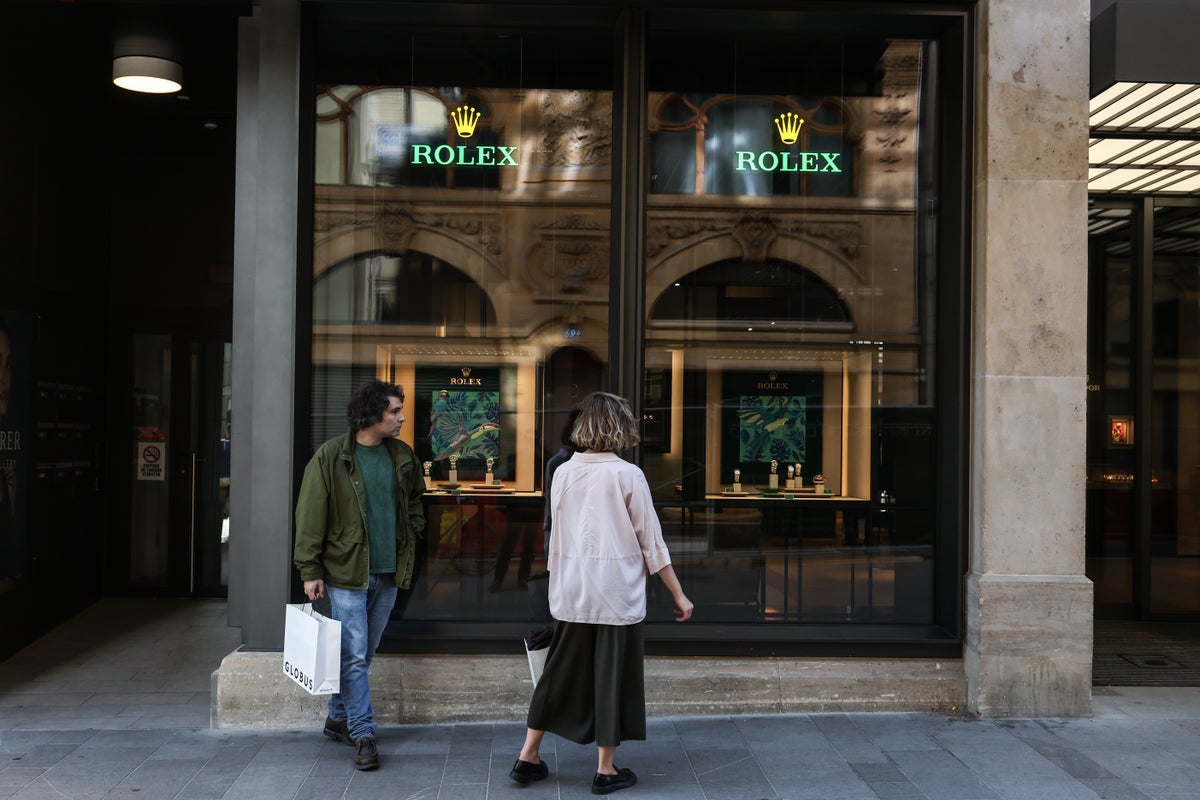
In a notable move that has caught the attention of luxury watch enthusiasts and investors alike, Rolex has announced a price increase for its gold watches for the second time this year. This decision underscores the brand's commitment to maintaining its status as a premier luxury timepiece manufacturer while reflecting broader trends within the luxury goods market. The latest adjustment follows a similar price hike earlier in the year, raising questions about the implications for both consumers and the luxury watch market as a whole.
Understanding the Price Increase
The recent price adjustment by Rolex primarily affects its collection of gold watches, which are renowned for their craftsmanship, precision, and status symbol appeal. While specific figures regarding the percentage increase have not been disclosed, industry insiders suggest that the hike could range from 5% to 15%, depending on the model. This strategic pricing is not merely a response to increased production costs; it also serves to enhance the brand's exclusivity and allure in a competitive market.
Market Trends in Luxury Goods
Rolex's decision to raise prices aligns with a broader trend among luxury brands, which are recalibrating their pricing strategies in response to evolving market dynamics. Cartier, another prominent player in the luxury watch and jewelry sector, recently raised its prices by approximately 10%. This trend reflects a growing recognition among luxury brands of the need to balance demand with the perception of exclusivity.
The Impact on Consumer Behavior
Price increases within the luxury sector often have complex implications for consumer behavior. While some consumers may be deterred by higher prices, others view increased costs as a signal of enhanced value and prestige. For many luxury watch aficionados, owning a Rolex or Cartier is not merely about timekeeping; it is an investment in a symbol of success and sophistication. As the prices of these coveted items rise, the market may witness a shift in purchasing patterns, with consumers increasingly seeking out pre-owned models or alternative luxury brands that offer similar prestige at a lower price point.
Inflation and Supply Chain Considerations
The luxury watch market has not been immune to the broader economic factors affecting various industries. Inflationary pressures and disruptions in global supply chains have prompted manufacturers to reevaluate their pricing strategies. Increased costs for raw materials, labor, and shipping logistics have necessitated price adjustments for luxury brands, including Rolex and Cartier. These economic realities are driving brands to find a balance between maintaining profitability and preserving their luxury status.
Rolex's Brand Positioning and Exclusivity
Rolex has long been synonymous with luxury and exclusivity. The brand's strategy of selective price increases reinforces its image as a premium watchmaker. By raising prices, Rolex not only enhances the perceived value of its products but also ensures that its watches remain exclusive and sought after. The brand's limited production runs and iconic designs contribute to a sense of scarcity, which is further amplified by strategic pricing.
Investment Potential of Luxury Watches
The rising prices of luxury watches like those from Rolex and Cartier can also be viewed through the lens of investment potential. Collectors and investors increasingly regard high-end timepieces as viable assets that can appreciate over time. The secondary market for luxury watches has seen significant growth, with certain models fetching prices far exceeding their original retail value. As Rolex raises its prices, the perception of its watches as investment-grade assets may strengthen, attracting a new demographic of buyers focused on long-term value.
Competitive Landscape in the Luxury Watch Market
Rolex's price increases come at a time when competition within the luxury watch market is intensifying. Brands such as Patek Philippe, Audemars Piguet, and Omega are also vying for market share, each with its unique selling propositions and target audiences. As these brands navigate their own pricing strategies, the overall market landscape is evolving, with consumers likely to explore a wider array of options. Rolex's pricing strategy, while effective in reinforcing its brand image, also challenges competitors to innovate and differentiate themselves in an increasingly crowded marketplace.
Future Outlook for Luxury Watch Pricing
Looking ahead, the luxury watch market is poised for continued evolution. As economic conditions fluctuate, brands will need to remain agile in their pricing strategies while keeping a close eye on consumer sentiment. Rolex's recent price adjustments may set a precedent for other luxury brands, prompting them to reconsider their own pricing structures in light of changing market dynamics.
Conclusion: The Intersection of Luxury and Economics
Rolex's decision to raise prices for its gold watches for the second time this year highlights the intersection of luxury branding and economic realities. As prominent brands like Cartier also adjust their pricing strategies, the luxury watch market is undergoing a transformation that reflects broader trends in consumer behavior, supply chain dynamics, and economic conditions. While price increases may pose challenges for some consumers, they also serve to reinforce the allure and exclusivity of luxury timepieces. As the market navigates these complexities, the future of luxury watch pricing remains an area of keen interest for both consumers and investors alike.