


Strategic Respite: A Temporary Halt in U.S.-Iran Military Actions
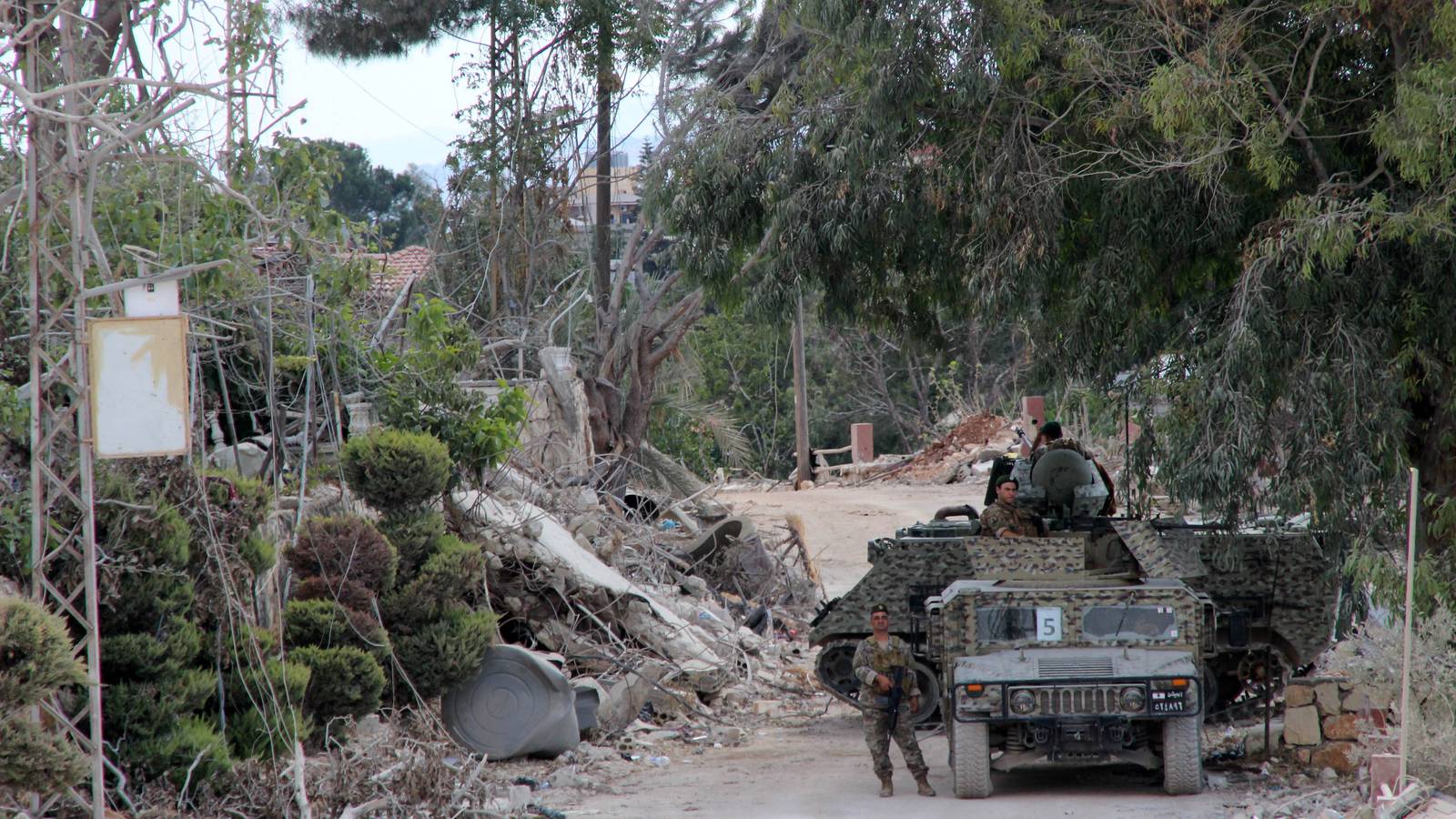
In an unexpected turn of events, the United States and Iran have both chosen to pause military actions for a second consecutive day, signaling a potential shift in the escalating tensions between the two nations. This decision comes amid a backdrop of heightened military readiness and aggressive posturing, particularly in the Persian Gulf region, where both nations have a significant presence.
The Pentagon has remained tight-lipped regarding the reasons behind this temporary ceasefire, with no immediate comments following the announcement. Analysts suggest that this pause might serve as a tactical maneuver, allowing both sides to reassess their positions and avoid further escalation that could lead to broader conflict.
Market Reactions: Stability Amidst Uncertainty
As news of the ceasefire spread, financial markets reacted with cautious optimism. Oil prices, which have been highly sensitive to geopolitical tensions in the Middle East, showed signs of stabilization after a period of volatility. Brent crude futures, a global benchmark, experienced a slight uptick, suggesting that investors are hopeful for a prolonged period of reduced hostilities.
The pause in military action comes at a critical juncture for global oil markets, which have faced significant fluctuations due to supply concerns stemming from geopolitical risks. Analysts predict that sustained peace, even if temporary, could lead to a more stable environment for oil production and distribution, alleviating some of the inflationary pressures that have plagued markets in recent months.
The Economic Implications of Military Engagement
The economic ramifications of military engagement in the Middle East are profound, affecting not only the countries directly involved but also global markets. The U.S. has substantial economic interests in the region, particularly in oil and gas, and any military action could disrupt supply chains and lead to spikes in energy prices.
Furthermore, a prolonged conflict could deter foreign investment in the region, create volatility in stock markets, and lead to increased costs for businesses reliant on stable energy prices. With both the U.S. and Iran pausing their military actions, there is a window of opportunity for diplomatic efforts to take center stage, which could ultimately lead to more favorable economic conditions.
Diplomatic Channels: A Path Forward?
The cessation of hostilities raises questions about the potential for renewed diplomatic dialogue between the U.S. and Iran. Historical precedents suggest that periods of military restraint often pave the way for negotiations and diplomatic initiatives. Experts believe that both nations may seek to leverage this pause to engage in talks, potentially addressing longstanding issues such as Iran's nuclear program and U.S. sanctions.
While the immediate focus remains on military readiness, the international community is closely monitoring developments, hoping that this lull in conflict could catalyze a more comprehensive diplomatic approach. The stakes are high, with the potential for both nations to emerge from this situation with a clearer path toward coexistence and economic collaboration.
Investor Sentiment: Cautious Optimism for Future Investments
Investor sentiment appears to be cautiously optimistic in light of the recent developments. Equity markets, particularly those with exposure to energy stocks, have experienced a brief rally as traders assess the implications of a potential de-escalation. Companies involved in energy production and distribution are poised to benefit if stability continues in the region.
However, analysts remain vigilant, emphasizing the need for continued monitoring of geopolitical developments. The potential for sudden changes in military posturing could quickly alter the investment landscape. As such, investors are advised to adopt a balanced approach, weighing the risks associated with geopolitical tensions against the potential for recovery and growth in affected sectors.
Long-term Outlook: The Fragility of Peace
While the current pause in hostilities is a welcome development, analysts caution that peace in the region remains fragile. Historical patterns indicate that tensions can reignite swiftly, often without warning. The geopolitical climate in the Middle East is complex, influenced by a myriad of factors including domestic politics, regional rivalries, and external pressures from global powers.
Looking ahead, the international community will need to remain engaged in diplomatic efforts to ensure that this window of opportunity does not close. The potential for economic collaboration between the U.S. and Iran could yield significant benefits, not only for the two nations but also for the global economy as a whole.
Conclusion: A Critical Moment for U.S.-Iran Relations
The dual pause in military actions by the U.S. and Iran marks a critical moment in their complex relationship. As both nations navigate the delicate balance between military readiness and diplomatic engagement, the implications for global markets and regional stability are profound. Investors and policymakers alike will be watching closely, hoping that this temporary ceasefire can lead to a more sustainable peace and a shift towards constructive dialogue.
Ultimately, the future of U.S.-Iran relations remains uncertain, but the current pause offers a glimmer of hope for a more stable geopolitical landscape. As both nations reassess their positions, the eyes of the world remain fixed on the Persian Gulf, anticipating the next moves in this high-stakes geopolitical chess match.