


Introduction: A Cautious Perspective
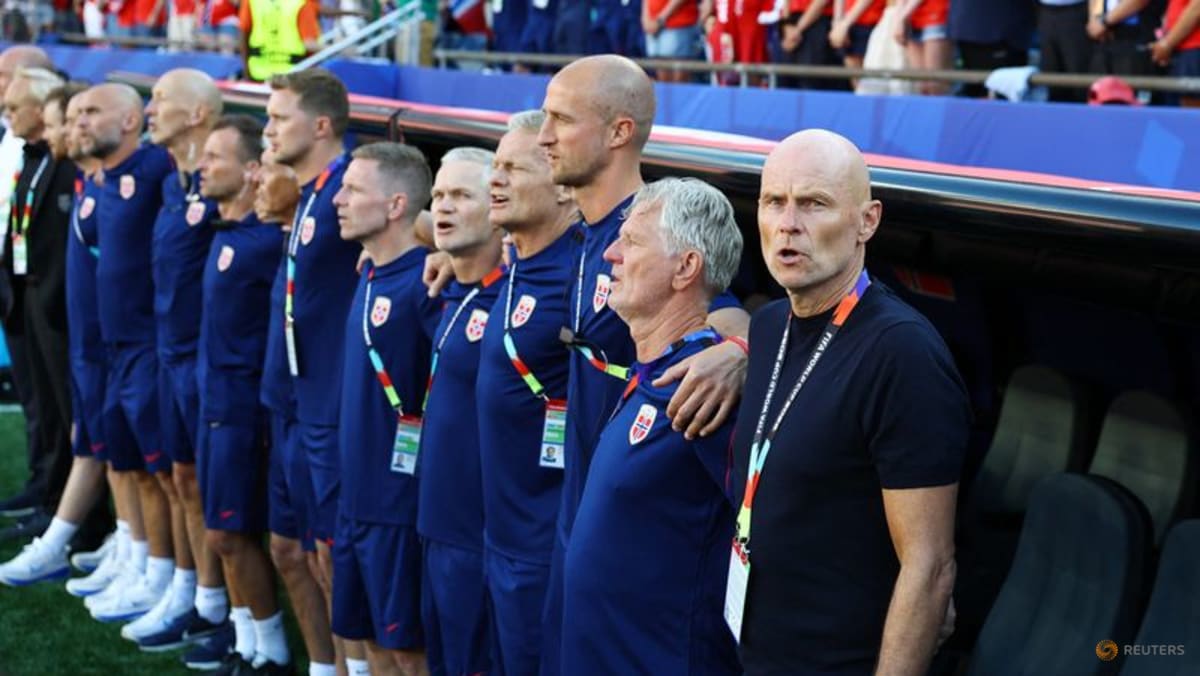
In the world of sports, mathematical models and statistical analyses often dominate predictions, shaping public perception and influencing betting markets. In the case of Norway's national football team, a recent model suggested a staggering 99 percent chance of advancing to the knockout stages of the World Cup following their decisive 4-1 victory against Iraq. However, Norway's head coach, Stale Solbakken, has taken a contrarian stance, dismissing these forecasts as overly optimistic and potentially misleading.
The Weight of Expectations
Following the team's impressive performance against Iraq, expectations surged among fans and analysts alike. The 4-1 scoreline not only showcased Norway's attacking prowess but also reinforced their status as a dark horse in the tournament. Yet, Solbakken's skepticism stems from a deep understanding of football's unpredictable nature. He emphasized that while statistical models can provide insights, they cannot account for the myriad of variables that can influence match outcomes, including injuries, tactical shifts, and the psychological pressures of tournament football.
Statistical Models and Their Limitations
The mathematical model in question, which assigned Norway a near-certain probability of advancing, relies heavily on historical data and current team performance metrics. Such models often consider factors like goal differential, possession statistics, and player performance indices. However, Solbakken warned that these models can create a false sense of security. "Football is not played on a spreadsheet," he remarked, highlighting the limitations inherent in relying solely on data-driven forecasts.
The Implications of Overconfidence
Solbakken's caution serves as a reminder of the pitfalls of overconfidence in competitive sports. In tournaments where the stakes are high, teams can be vulnerable to complacency if they believe they are all but guaranteed success. The coach's approach aims to instill a sense of humility and focus within the squad, emphasizing the need to treat each match with the seriousness it deserves. "We must remain grounded," he stated, underscoring the importance of maintaining a competitive mentality regardless of favorable predictions.
The Competitive Landscape of the World Cup
As Norway looks ahead in the tournament, they will face a range of opponents with diverse playing styles and tactical frameworks. Each match presents unique challenges that can disrupt even the most favorable forecasts. The unpredictability of knockout rounds, where a single match can determine a team's fate, further complicates any predictions. Solbakken's recognition of this reality positions him as a pragmatic leader, one who understands that the journey through the World Cup is fraught with uncertainty.
Financial Implications of Tournament Success
Beyond the realm of sport, Norway's performance in the World Cup carries significant financial implications. Success on the international stage can lead to increased sponsorship opportunities, heightened merchandise sales, and a boost in tourism. For a nation like Norway, with a rich footballing history and a passionate fan base, advancing to the knockout stages could translate into substantial economic benefits. Solbakken's caution, therefore, also reflects a broader awareness of the financial stakes involved.
The Role of Media and Public Perception
The intersection of sports predictions and media coverage plays a crucial role in shaping public perception. Analysts and pundits often amplify optimistic forecasts, creating a narrative that can influence fan sentiment and betting behavior. Solbakken's dismissal of overly confident predictions serves as a counterbalance to this media-driven hype, urging fans and stakeholders to remain realistic about the team's prospects. "We have to earn our place in the next round," he asserted, emphasizing the importance of performance over predictions.
Building a Resilient Team Culture
In the wake of Solbakken's remarks, the focus shifts to building a resilient team culture that can withstand external pressures. The coach's approach encourages players to concentrate on their individual and collective responsibilities rather than getting caught up in external narratives. By fostering an environment of accountability and hard work, Solbakken aims to cultivate a mindset that prioritizes performance over predictions.
Preparations for Upcoming Matches
As Norway prepares for their next match, the coaching staff is likely to emphasize a balanced approach that combines statistical analysis with on-the-ground realities. Training sessions will focus on tactical drills, player fitness, and mental resilience, ensuring that the team is well-equipped to handle the rigors of tournament play. Solbakken's leadership will be crucial in navigating the challenges ahead, as he seeks to balance optimism with pragmatism.
Conclusion: Embracing the Challenge Ahead
Stale Solbakken's dismissal of the mathematical model's predictions highlights the complexities of football and the inherent unpredictability of tournament play. As Norway embarks on its World Cup journey, the coach's caution serves as a guiding principle, reminding players and fans alike that success is earned through hard work, focus, and resilience. While the allure of statistical certainty may be tempting, the reality of competitive sports demands a more nuanced approach—one that embraces both the possibilities and the uncertainties that lie ahead.